

Priority given to investment in Nam Do Son and Lach Huyen ports
The Nam Do Son transshipment port area and the next berths in Lach Huyen (Hai Phong) have been included by the Ministry of Construction in the priority investment roadmap for the period to 2030, with a vision to 2050.
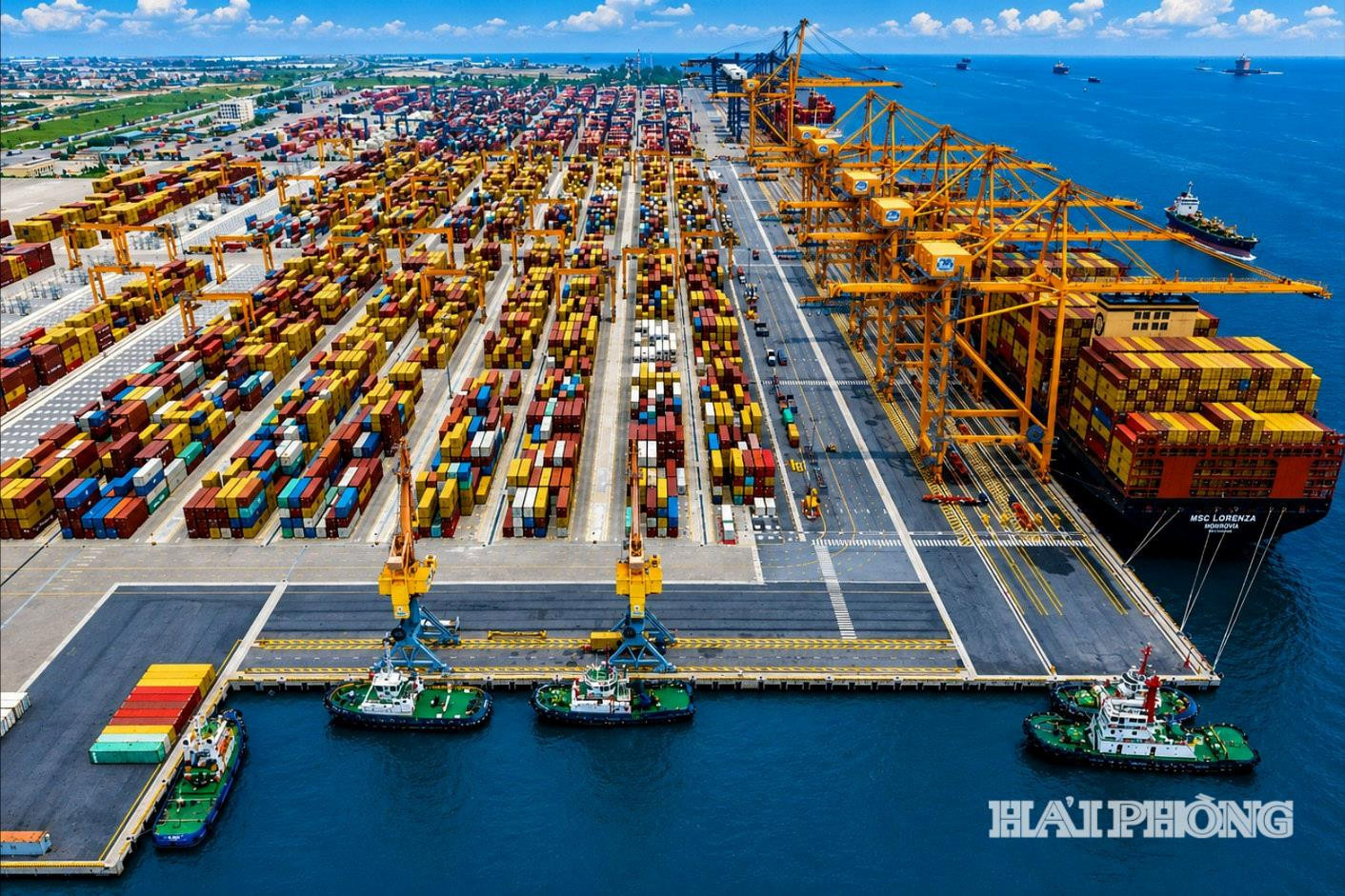
Under Decision No. 1061/QD-BXD approving adjustments to the master plan for maritime infrastructure development for the 2021–2030 period, with a vision to 2050, Hai Phong Port and Ho Chi Minh City Port are designated as two of Viet Nam’s special-grade ports.
According to the revised plan, by 2030, the maritime port system is expected to handle between 1,396 million and 1,656 million tonnes of cargo, including 48.6 million to 57.4 million TEUs of container cargo, excluding international transshipment cargo, and 18.5 million to 20.4 million passenger visits.
Based on scale and function, Viet Nam’s seaport system is classified into two special-grade ports: Hai Phong Port and Ho Chi Minh City Port.
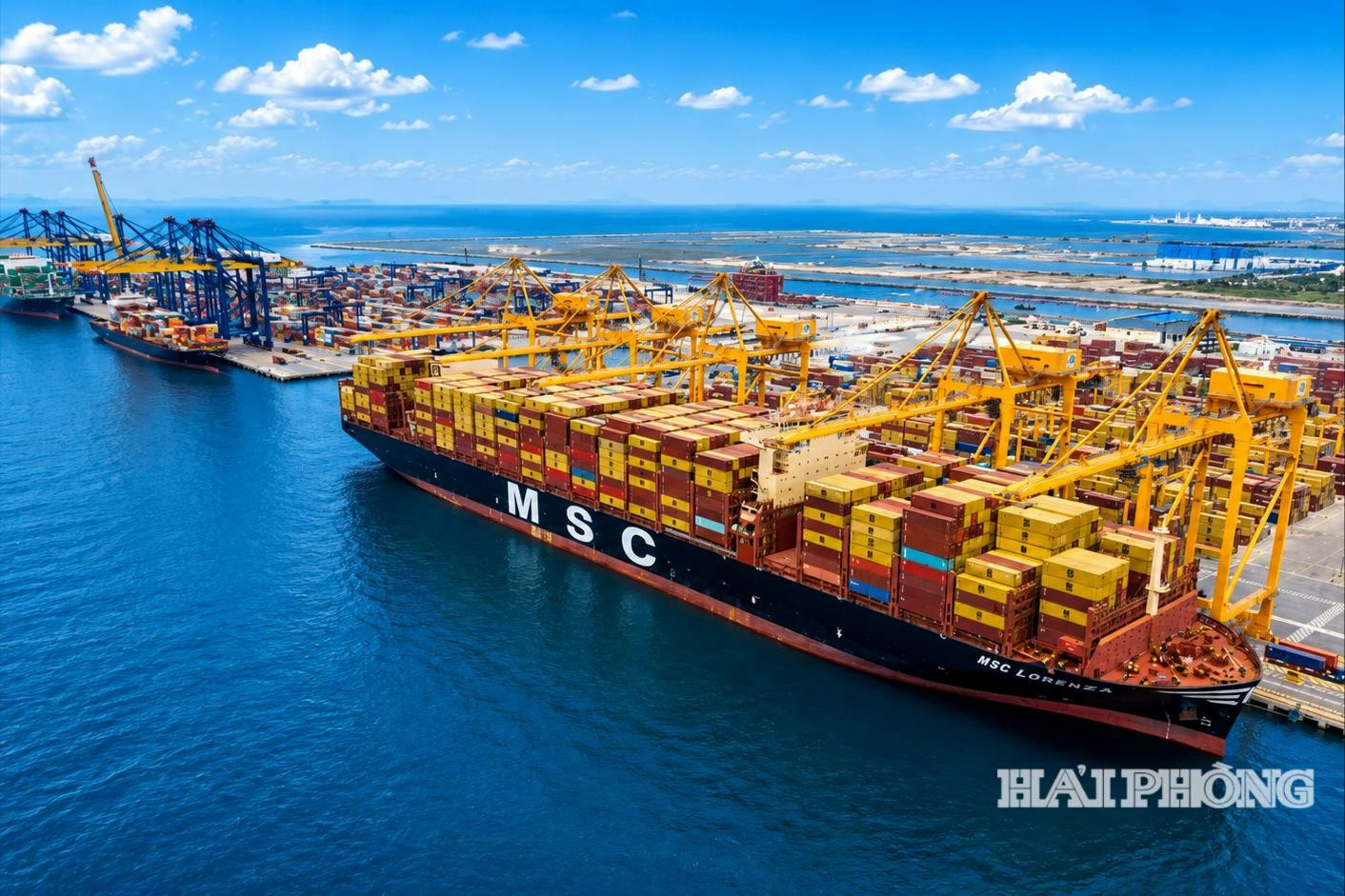
By 2030, Hai Phong Port is expected to handle 184.8 million to 228.9 million tonnes of cargo, including 12.62 million to 15.73 million TEUs of container cargo, excluding international transshipment cargo, and 277,000 to 303,000 passenger visits.
Looking toward 2050, the plan aims to meet cargo throughput demand with average annual growth of about 3.9 percent to 4.5 percent, while passenger traffic is expected to grow by an average of 1 percent to 1.4 percent per year.
For seaport berths, investment will continue in the next berths in the Lach Huyen area; the initial berth cluster in the Nam Do Son area (Hai Phong), synchronized with investment in the Van Uc River - Nam Do Son channel and the river training embankment system in the initial phase; berths in the Cai Mep - Thi Vai area (Ba Ria - Vung Tau); the international transshipment port area in Can Gio (Ho Chi Minh City); berths in the Lien Chieu area (Da Nang), Phu My area (Gia Lai), and Bai Goc area (Dak Lak).
The decision estimates the capital requirement for seaport system investment at about VND 581 trillion, covering only berths that provide cargo handling services, with funding to come mainly from off-budget sources and other lawful capital sources.
Hai Phong News