

Aspiring to make tourism a breakthrough pillar of the economy
Hai Phong is creating new momentum to transform tourism into a key economic sector, with the goal of welcoming 25 million visitors by 2030.
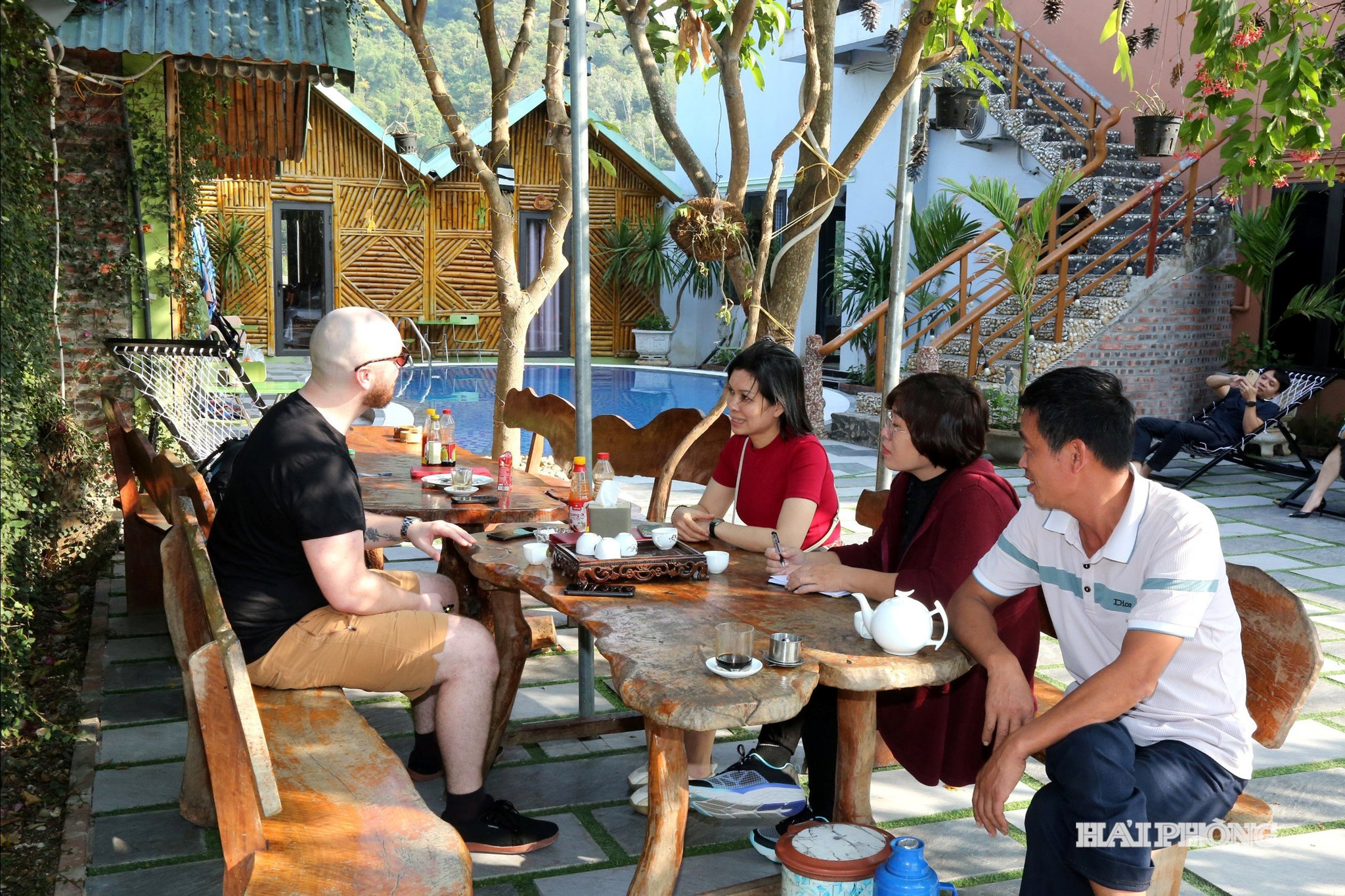
Enhancing tourism products, increasing destination appeal
This summer, Ms. Dao Thi Hong Hanh from Hung Yen Province once again chose Cat Ba as her family's vacation destination. Although she has visited Hai Phong many times, this return trip has still brought pleasant surprises with the city's urban landscape, scenery, and improved service quality.
According to Ms. Hanh, what keeps her family coming back is not only the beauty of Cat Ba's beaches but also the clean environment, convenient transportation, increasingly professional services, and the friendliness of local residents. "For the past two or three years, my family has returned to Hai Phong every year. Everything has become much more convenient. Cat Ba remains one of the most beautiful beaches in northern Vietnam, which is why this is already my fifth visit," she said.
The destination's growing appeal is reflected in its strong tourism performance. In the first six months of 2026, Hai Phong is estimated to have welcomed more than 8.72 million visitors, up 15.7% compared with the same period last year, while tourism revenue reached approximately VND 10.425 trillion. In June alone, the city received nearly 2.6 million visitors, demonstrating the strong momentum of the summer tourism season.
Alongside the city's investment efforts, tourism businesses have actively introduced new products and enhanced service quality. Mr. Luu Duc Thuan, Director of the Hai Phong Branch of Besttour Vietnam International Travel JSC, said the company has focused on training tour guides with in-depth knowledge of the culture and history of Hai Phong and the former Hai Duong region. The company has also developed regional tourism routes connecting destinations, accommodation, and transportation services to provide convenient travel experiences at reasonable costs.
In the accommodation sector, many establishments have also introduced new offerings. Mr. Nguyen Minh Duc Loc, Operations Director of Dream Dragon Resort Hotel, said the resort has expanded its portfolio of premium tourism products, including wellness tourism, MICE tourism, music festivals, events, and nighttime tourism, with the aim of enriching visitor experiences and enhancing the appeal of Do Son and Hai Phong.
The combined efforts of businesses and the city's investment policies are helping diversify tourism products, improve service quality, strengthen the destination's competitiveness, and gradually build a modern tourism ecosystem.
Towards the goal of welcoming 25 million visitors by 2030
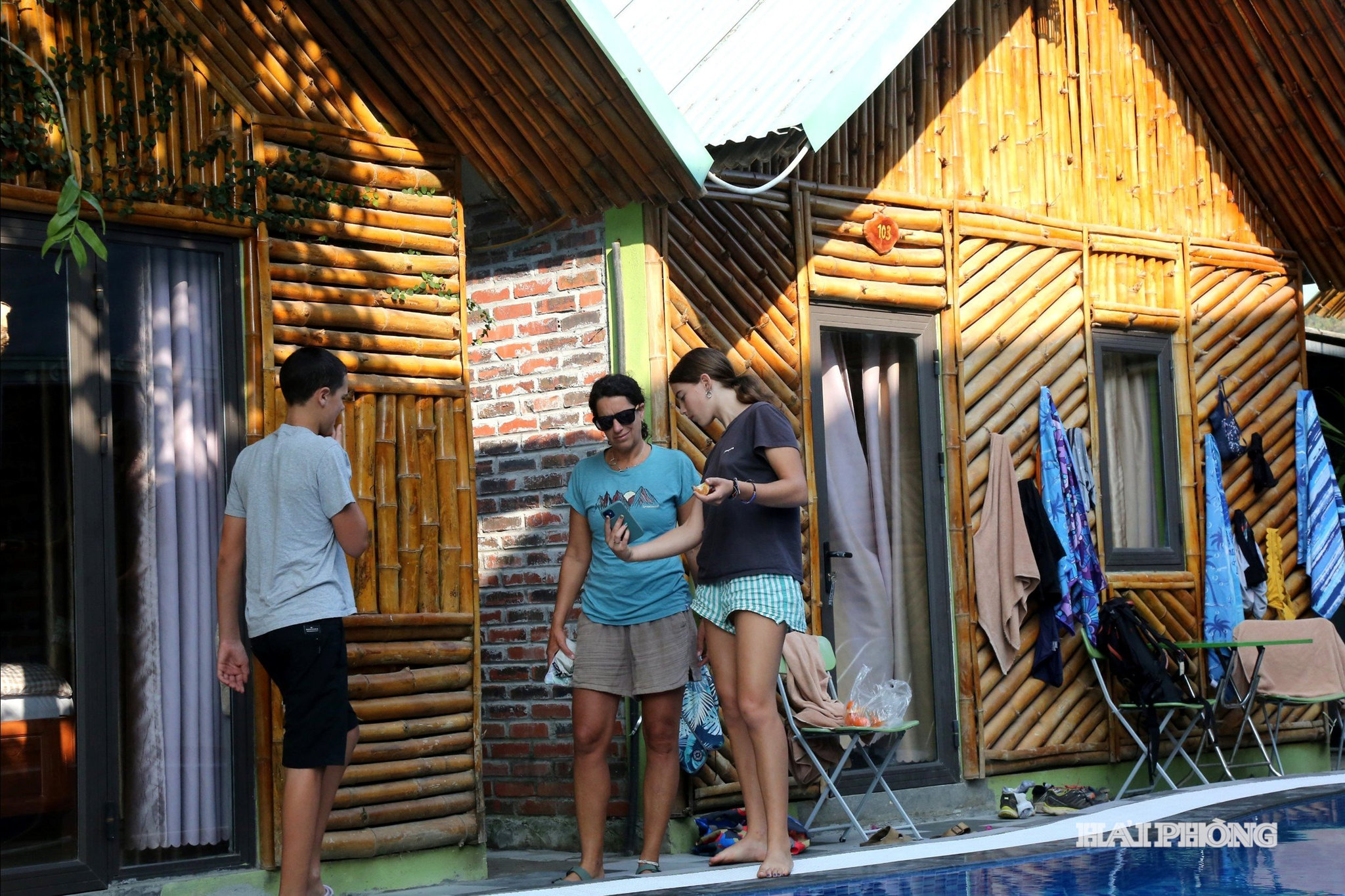
Hai Phong is one of the few localities in Vietnam that offers a full range of tourism products, including marine and island tourism, ecotourism, resort tourism, as well as heritage, cultural, and spiritual tourism. The city is home to two UNESCO World Heritage Sites: the Cat Ba Archipelago – Ha Long Bay and the Yen Tu – Vinh Nghiem – Con Son, Kiep Bac Complex of Monuments and Landscapes. It also boasts nearly 4,000 historical and cultural relics, thousands of traditional festivals, and a rich network of traditional craft villages, giving it a strong competitive advantage on both the national and international tourism map.
The Resolution of the First Hai Phong Party Congress for the 2025–2030 term identifies tourism development as one of the city's strategic breakthroughs, with the goal of welcoming 25 million visitors by 2030 and increasing tourism's contribution to approximately 5% of the city's GRDP.
To achieve this goal, the city is prioritizing the development of marine, heritage, and cultural tourism in conjunction with international integration. Cat Ba is being developed into a "green island," Do Son into a multifunctional tourism hub, and Con Son – Kiep Bac into an international center for cultural and spiritual tourism. At the same time, Hai Phong is developing integrated tourism routes linking coastal, island, and heritage destinations; investing in transport infrastructure, ports, and high-quality accommodation; expanding air connectivity; and accelerating digital transformation in tourism management, promotion, and visitor experiences.
According to Mr. Tran Van Ngoc, Deputy Director of the Department of Culture, Sports and Tourism, digital transformation and green transformation are the two overarching priorities of the tourism sector. Green transformation focuses on creating a clean and sustainable tourism environment, while digital transformation is being implemented across business management, customer services, destination promotion, and data utilization to support tourism development. The city is also implementing its Master Plan for Tourism Development through 2030, with a vision toward 2045.
In recent years, Hai Phong has effectively mobilized investment resources to develop tourism infrastructure, attracting large-scale projects in the high-end resort segment and gradually establishing a portfolio of flagship tourism products built around its marine, island, and heritage advantages. The positive growth recorded in the first months of the year demonstrates that the city's tourism development strategy is delivering tangible results.
As infrastructure continues to improve, tourism products become increasingly diverse, regional connectivity expands, and businesses strengthen their collaboration with the city, Hai Phong is well positioned to realize its ambition of making tourism a key economic sector, creating a new engine of growth and making a significant contribution to the city's rapid and sustainable development.
Hai Hau