

Proactive measures to minimize natural disaster risks
Natural disasters are becoming increasingly extreme, while Hai Phong is developing with a larger and more dynamic economy.
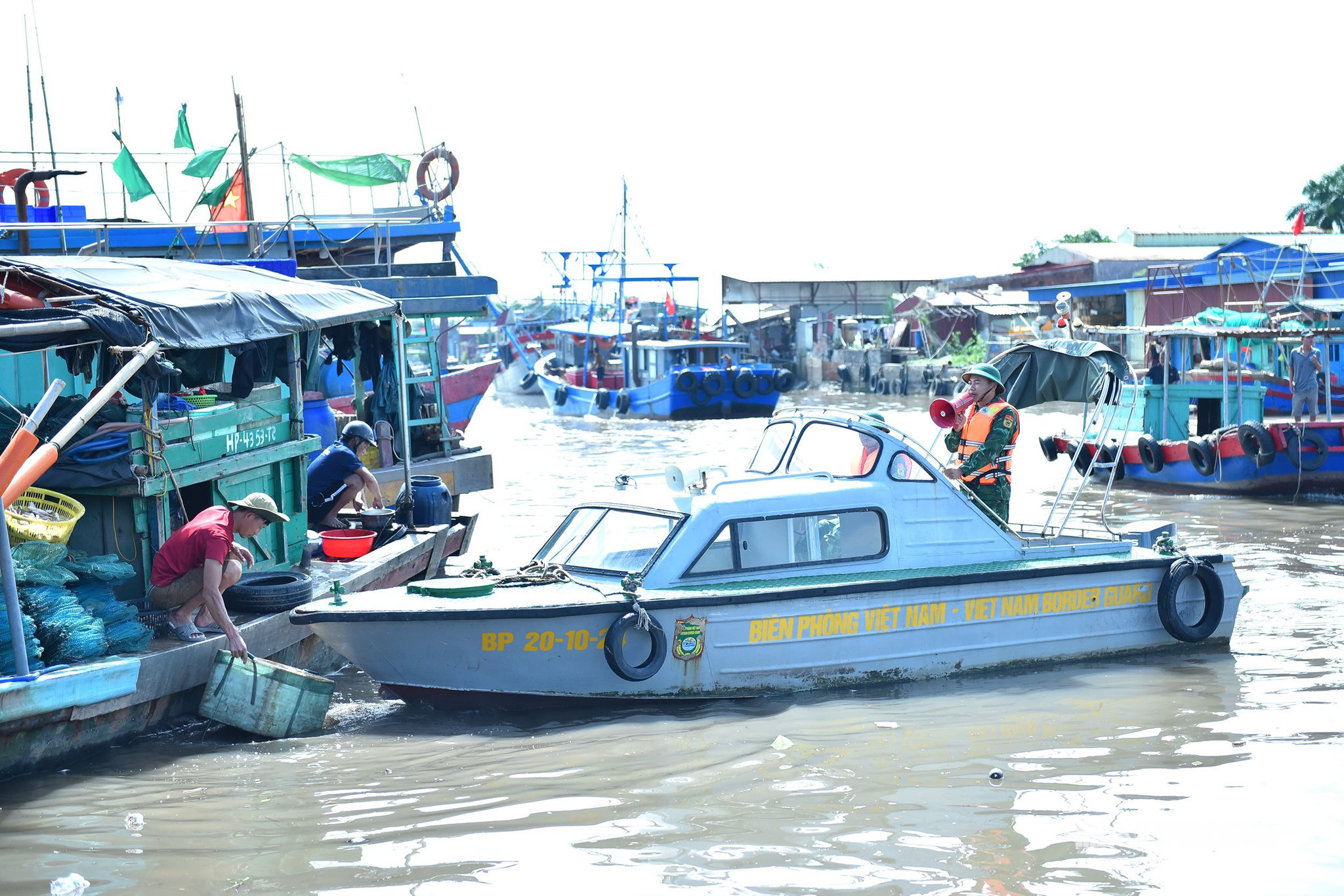
This requires disaster prevention and control efforts to shift decisively from emergency response to proactive prevention and disaster risk reduction.
From response to prevention
No one can prevent a typhoon from forming at sea. However, much of the damage can be minimized if preparations begin early enough. This is precisely the direction in which disaster prevention and control efforts have evolved in recent years. The focus is no longer on mobilizing resources when a storm is imminent, but on proactively identifying risks, preparing response plans, and reducing potential impacts before disasters occur.
This shift stems from the reality that natural disasters are becoming increasingly severe and less predictable. Preparation time is shorter, while the potential risks are significantly greater than in the past. This requires disaster prevention and control efforts to stay one step ahead.
More importantly, Hai Phong today is very different from what it was two decades ago. Whereas storm damage was once measured mainly by the number of houses with damaged roofs, fallen trees, or flooded rice fields, today a single typhoon can disrupt seaport operations, industrial parks, airports, logistics networks, supply chains, and thousands of businesses operating across the city.
This means that losses are no longer measured solely in terms of damaged homes or crops, but also in production disruptions, transportation interruptions, logistics bottlenecks, and supply chain interruptions. As the scale of development grows, so too does the value of what must be protected. Consequently, disaster prevention and control strategies can no longer remain unchanged.
Typhoon Yagi in 2024 was not the first storm to cause damage to Hai Phong, but it clearly demonstrated that as a city reaches a new level of development, natural disasters no longer affect only homes and agricultural production—they also have significant impacts on infrastructure, industrial production, and supply chains. This is why disaster prevention and control efforts must shift decisively toward prevention and risk management.
"Early and proactive action" means more than simply implementing emergency measures a few days before a storm makes landfall. It involves preparing well before the rainy and typhoon season by inspecting vulnerable infrastructure, refining emergency response plans, preparing personnel and supplies, and improving disaster preparedness skills. The objective is to reduce risks from the outset rather than focusing solely on post-disaster recovery.
In disaster prevention and control, what truly matters is not how many personnel are mobilized when a storm arrives, but how much preparation has already been completed before it arrives.
Staying Ahead of Natural Disasters
This shift in thinking has become increasingly evident in Hai Phong's approach to recent natural disasters. The response to Typhoon No. 1 (Maysak) demonstrated how lessons learned from previous events have been translated into concrete actions.
While the storm was still at sea, the city had already implemented coordinated response measures. These included accounting for fishing vessels, inspecting vulnerable areas, activating urban flood prevention systems, protecting more than 30,000 hectares of newly planted summer-autumn rice (equivalent to 40% of the total cultivated area), and deploying more than 6,600 city police officers and personnel on standby. All of these measures were carried out before the storm directly affected the city.
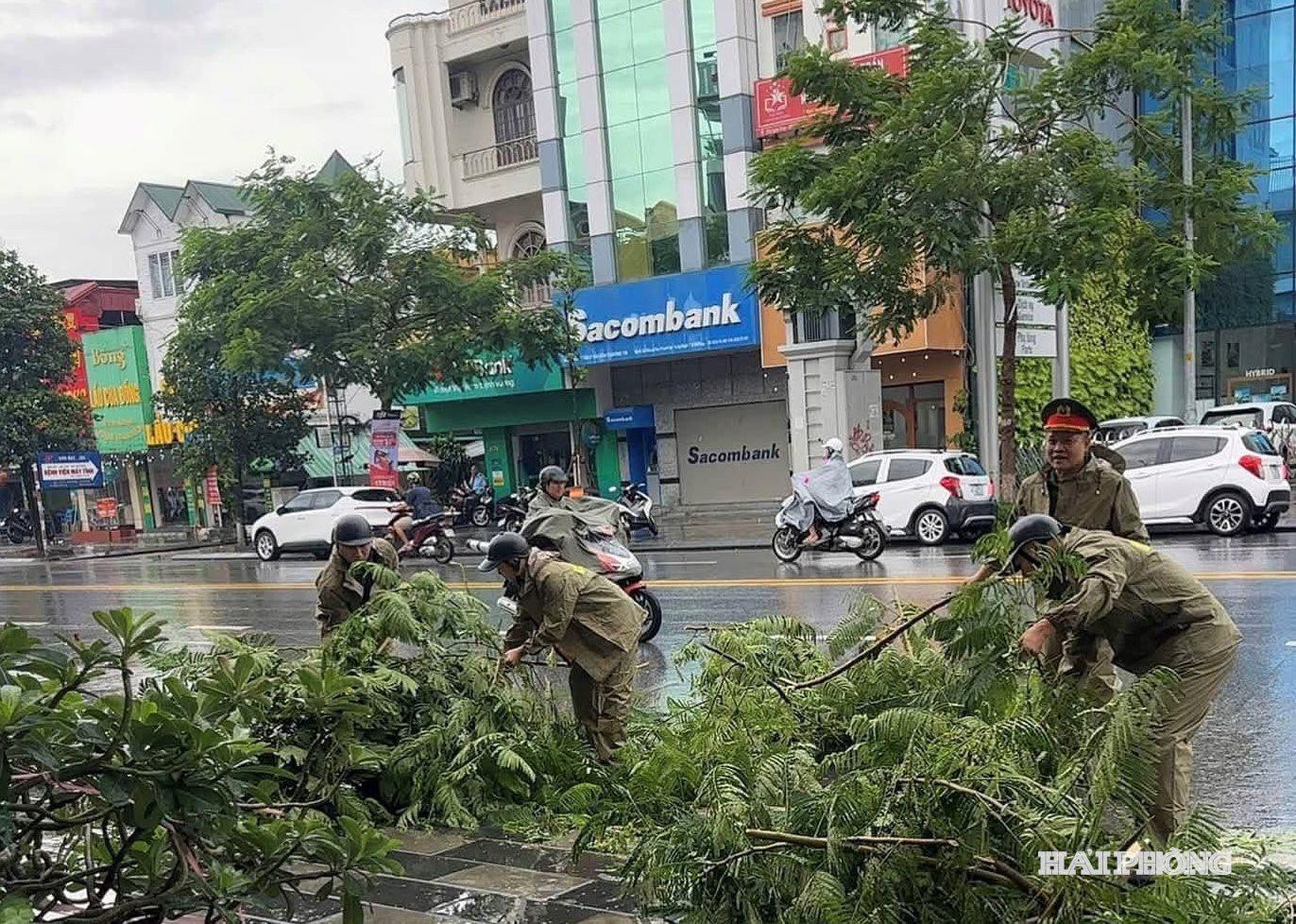
These are not merely routine tasks carried out during the rainy and typhoon season, but rather reflect a shift in approach. Every fishing vessel brought to a safe anchorage before the sea turns rough, every drainage system put into operation before heavy rainfall begins, every rice field drained in time, and every resident informed early about weather developments helps minimize losses that could otherwise occur. When risks are addressed from the outset, the pressure on emergency response and post-disaster recovery is significantly reduced.
This also demonstrates that disaster prevention and control is no longer solely the responsibility of rescue forces or of a single sector or locality. Urban planning, the development of drainage infrastructure, the reinforcement of dykes, ensuring the safety of power and telecommunications networks, organizing agricultural production, and enhancing community disaster preparedness are all integral parts of disaster risk reduction. Only when these elements are prepared in a coordinated manner can the city's resilience truly be strengthened.
Hai Phong is developing with an increasingly larger economy. As a result, each typhoon now threatens not only homes and crops but also the operations of seaports, industrial parks, logistics networks, and supply chains.
What the city can proactively control is not the path of a typhoon, but its own level of preparedness. Taking action early and well in advance is essential not only to minimize immediate losses, but also to ensure that the city's development momentum remains uninterrupted and to safeguard the achievements built through years of dedicated effort.
Ha Kien