

Housing-for-rent expands homeownership options for workers
Developing rental housing is being promoted as a practical solution to meet real housing needs, ease pressure to own property, curb real-estate speculation and expand stable housing options for workers.
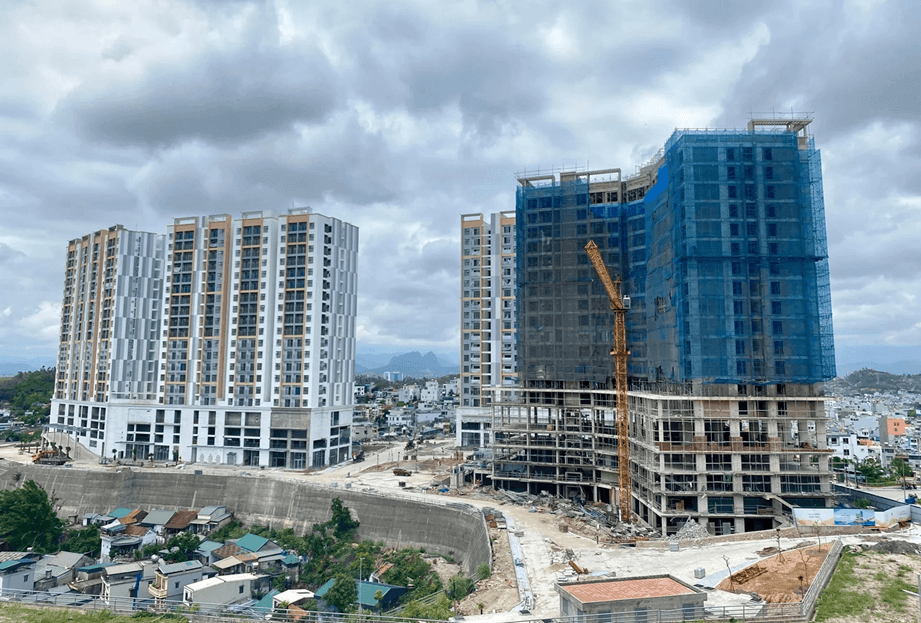
Rental housing meets real needs
As urban house prices in major cities increasingly exceed many workers’ ability to pay, new approaches are needed to solve the housing problem. Expanding rental housing is seen as a way to meet real housing demand, help reduce the pressure to buy a home and limit speculative activity in the property market.
The Ministry of Construction set a national target of 158,723 social housing units for 2026. In the first four months of the year, 40 projects with 36,590 units began construction, reaching about 23% of the annual target. To date, 786 projects with 725,146 units are under development nationwide, achieving 72.5% of the goal of the scheme to build at least 1 million social housing units for low-income groups and industrial workers in the 2021–2030 period.
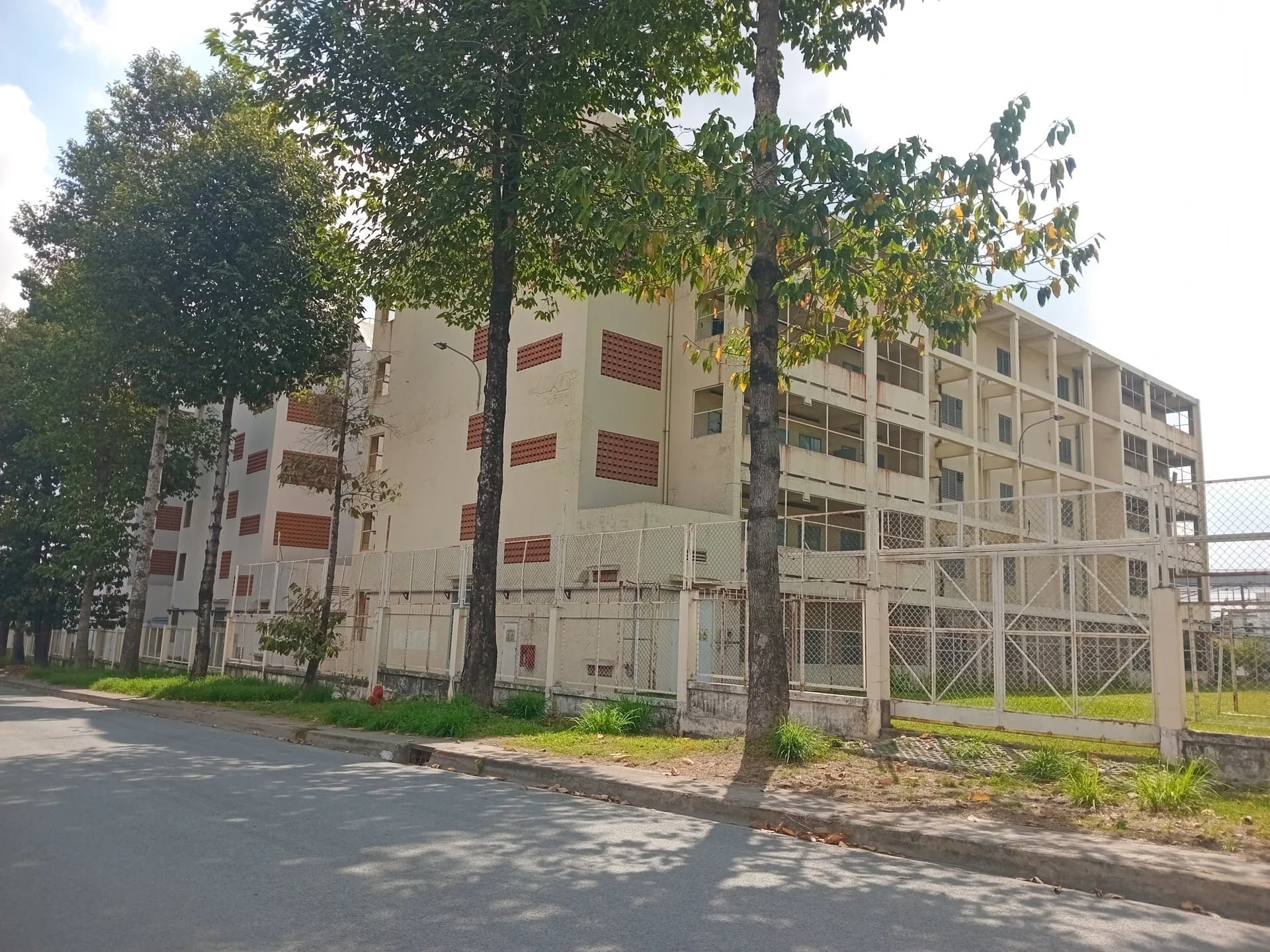
Need for stronger incentives
Experts say the State’s enabling role is crucial for rental housing to scale, starting with allocating dedicated land for this housing type. They recommend additional incentive policies , particularly tax, to lower investment costs and make rents more affordable for tenants. Rental housing should also be developed together with social infrastructure to serve residents’ daily needs.
With housing demand rising in cities and industrial zones, rental housing is regarded as an appropriate direction to secure homes for workers. Realizing its benefits will require coordinated action by the government and businesses on planning, land allocation, finance, operation and management to meet real housing needs and foster a sustainable property market.
Hai Phong News