

Delegating construction permit authority to commune-level governments
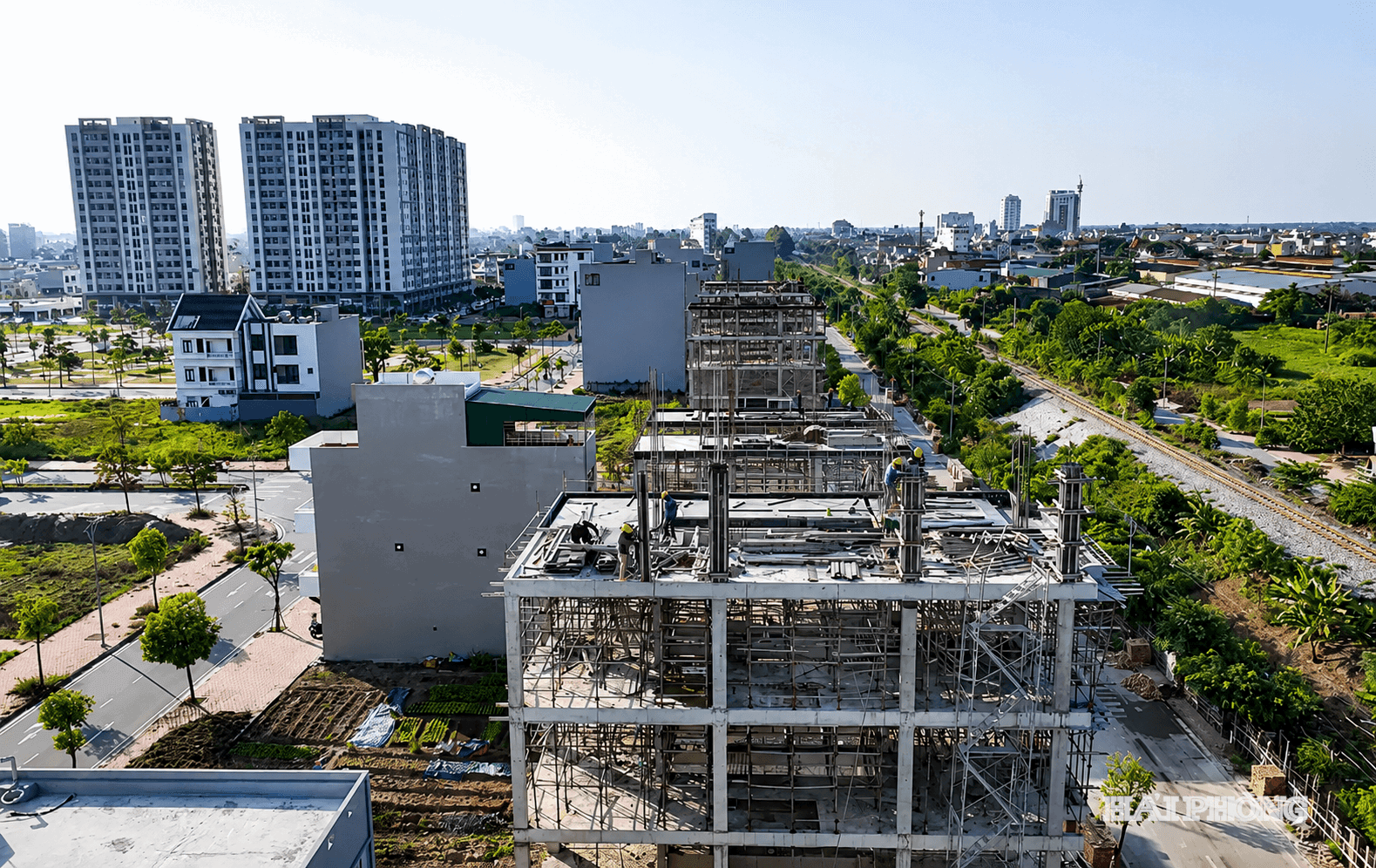
Under the new regulations, commune-level People's Committees are authorized to issue construction permits for individual houses, helping streamline administrative procedures while also presenting significant challenges for grassroots authorities.
Greater convenience for citizens
Mr. Nguyen Van Minh, a resident of Residential Area No. 12, Le Loi Ward, Gia Vien Ward, is preparing to build a house on a plot of land for which he has been granted a land use rights certificate. According to Mr. Minh, delegating construction permit authority to commune-level governments brings significant convenience for citizens.
Mr. Minh said that in the past, every time he needed to supplement documents or inquire about construction permit procedures, he had to travel to the former district-level authority. If any documents were missing, he often had to make several trips. If the ward authorities can handle the procedures, it will be much more convenient because local officials have a clear understanding of the area's land conditions and planning.
In addition to reducing travel time, processing applications directly at the local level makes it easier for residents to access information and receive in-person guidance whenever issues arise. This is particularly beneficial for elderly people and those who are not familiar with using online public services.
Under Government Decree No. 217/2026, commune-level People's Committees are authorized to issue construction permits for Grade III and Grade IV construction works, as well as individual houses owned by households and individuals within their jurisdiction, except for projects located in industrial parks, export processing zones, high-tech parks, and economic zones. Delegating construction permit authority to commune-level People's Committees is consistent with the two-tier local government model, helping shorten administrative procedures and making the process more convenient for both citizens and businesses.
According to Mr. Bui Anh Phong, Head of the Construction, Agriculture and Environment Division of Phu Lien Ward, the policy is in line with current administrative reform requirements. Commune-level authorities are the closest level of government to the people, maintaining regular contact with residents and having a thorough understanding of local land use and construction conditions. When applications are received and processed directly at the grassroots level, processing time can be reduced while easing the workload of specialized agencies at the city level.
Many residents also expect that the decentralization of authority will help reduce the need for applications to pass through multiple administrative levels, as was previously the case. When local officials are directly responsible for appraising applications and inspecting construction sites, communication becomes more efficient and unnecessary administrative procedures can be minimized.
Ensuring effective decentralization

Unlike many routine administrative procedures, the issuance of construction permits requires a high level of professional expertise. To issue permits in accordance with regulations, the responsible authority must verify the legal status of land use rights, review construction planning, and assess compliance with architectural requirements, technical infrastructure standards, structural safety, fire prevention and firefighting regulations, as well as other relevant legal provisions.
Meanwhile, in practice, the capacity of officials responsible for construction management varies considerably among localities. Following the implementation of the two-tier local government model, the workload at the commune level has increased significantly, not only in construction management but also in land administration, environmental management, technical infrastructure, and many other areas of state administration.
According to Mr. Tang Ba Bay, Deputy Director of the Department of Construction, the decentralization of authority is intended not only to streamline administrative procedures but also to strengthen the responsibility of grassroots authorities in managing construction order. With the delegated authority, communes, wards, and special administrative zones will be able to take a more proactive role in monitoring local developments, promptly detecting and handling violations at the grassroots level, and reducing the occurrence of prolonged unauthorized or non-compliant construction.
The greatest challenge at present is ensuring that human resources are capable of meeting the new responsibilities. Professional staff must regularly update their knowledge of laws and regulations relating to construction, land, and planning, while also enhancing their capacity to appraise applications and deal with issues arising in practice.
According to Ms. Dao Thi Thuy, Head of the Economy, Infrastructure and Urban Affairs Division of Thuy Nguyen Ward, decentralizing construction permit authority will enable local authorities to take a more proactive role in processing administrative procedures and managing construction order. However, for the policy to be implemented effectively, it is essential to ensure that officials possess adequate professional expertise, while continuing to improve databases on land and planning and strengthening professional guidance throughout the implementation process.
The delegation of construction permit authority to commune-level governments is expected to mark an important step forward in administrative reform, making administrative procedures more convenient for citizens while improving the effectiveness of state management at the grassroots level. However, for the policy to achieve its intended outcomes, it will be necessary to continue strengthening human resources, data systems, and management infrastructure, ensuring that the decentralization of authority goes hand in hand with improvements in the quality of public services.
Hai Minh