
Hai Phong assigned the Nation's highest GRDP growth target
The Government has assigned Hai Phong the highest Gross Regional Domestic Product (GRDP) growth target in the country, with the city aiming to achieve an annual growth rate of 13–14% during the 2026–2030 period.
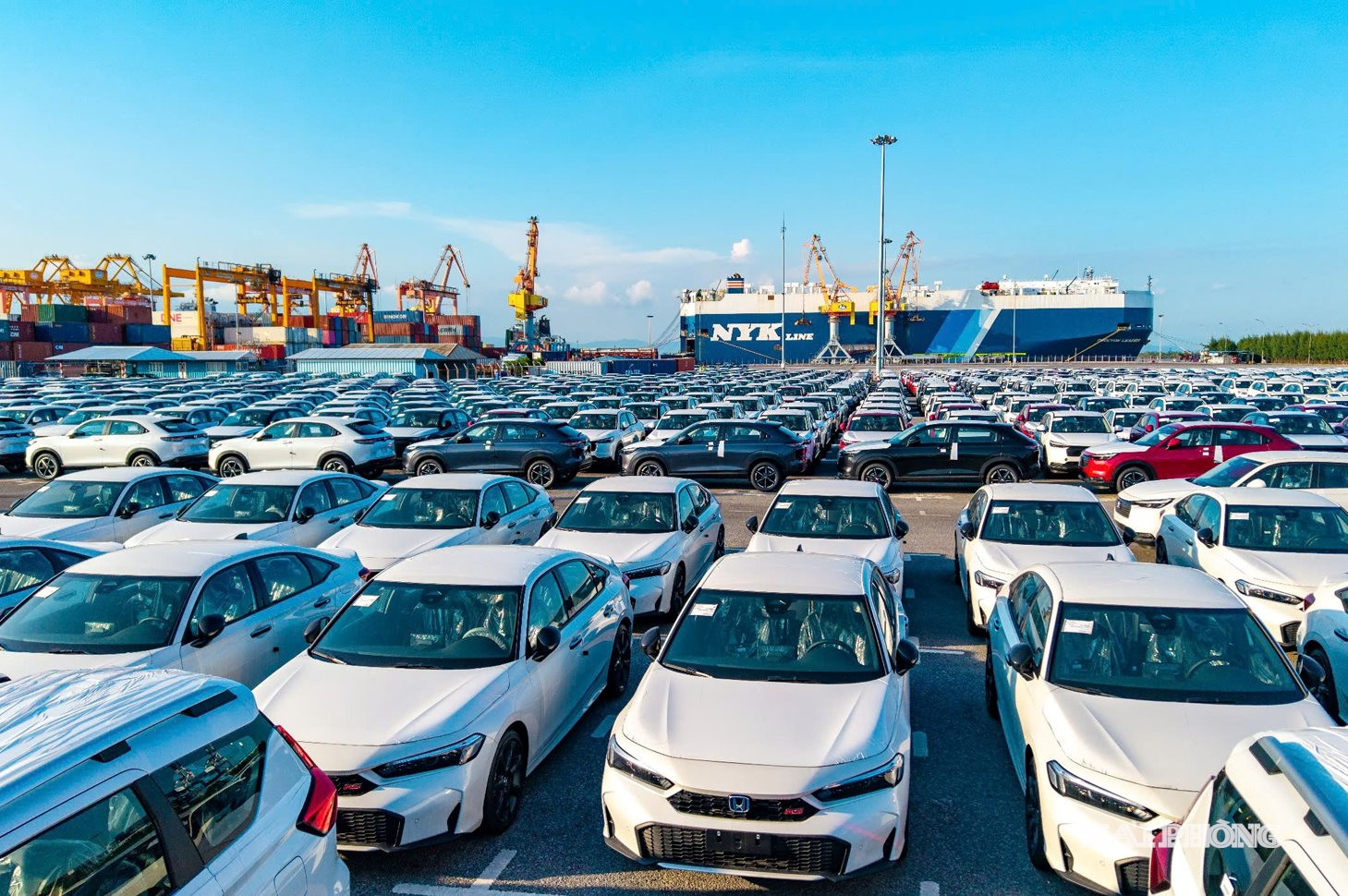
The Government has recently issued Resolution No. 169 on growth targets for provinces and centrally governed cities in 2026 and the 2026–2030 period, as part of its strategy to achieve double-digit economic growth.
Under the resolution, Hai Phong has been assigned the highest Gross Regional Domestic Product (GRDP) growth target among all localities nationwide. The city is expected to achieve 13% GRDP growth in 2026 and maintain an annual growth rate of at least 13%, with the ambition of reaching 14% per year during the 2026–2030 period.
According to the Government's targets, Hai Phong's industry and construction sector is projected to grow by 15.2%, the services sector by 10.9%, the agriculture, forestry, and fisheries sector by 2%, while taxes less subsidies on products are expected to increase by 8% over the 2026–2030 period.
Other key targets include: Industrial production index growth of 15.5–16.5%; Growth in total retail sales of goods and consumer service revenue of 14–15%; GRDP per capita reaching USD 11,247 by 2030; Manufacturing and processing value added per capita reaching USD 5,941; Total realized investment of approximately USD 2.4 billion, with the ratio of total social investment to GRDP averaging around 43% annually.
The Government has also set targets for Hai Phong to ensure that, by 2030, the digital economy accounts for more than 35% of GRDP, over 40% of enterprises engage in innovation activities, and average labor productivity increases by 11% annually.
In terms of social and cultural development, the city aims to raise the proportion of workers holding formal qualifications or professional certificates to 55%, ensure that more than 90% of the workforce possesses information technology skills by 2030, and eliminate multidimensional poverty by 2028.
Regarding environmental protection and climate change adaptation, Hai Phong targets 100% of industrial parks and export processing zones to operate centralized wastewater treatment systems that meet environmental standards. It also aims for 70–75% of industrial enterprises to adopt energy-efficient solutions and for 98% of production and business establishments to comply with environmental regulations.
To achieve these growth targets, the Government has instructed provincial and municipal People's Committee chairpersons to review and update their growth scenarios, proactively remove bottlenecks, accelerate public investment disbursement and key infrastructure projects, streamline administrative procedures, address long-delayed projects, and identify new drivers of economic growth.
For the country's key economic hubs, the Government has emphasized the need to strengthen their leading role by striving to meet or exceed assigned targets, thereby making greater contributions to national economic growth and state budget revenues. Local authorities are also required to submit quarterly updates on their growth scenarios so that policies and solutions can be adjusted in a timely manner to ensure the successful achievement of the 2026 targets and the objectives for the 2026–2030 period.
Minh Cham