

Developing worker housing alongside industrial park expansion
The rapid development of industrial parks and economic zones is driving an increasingly large demand for housing for workers.
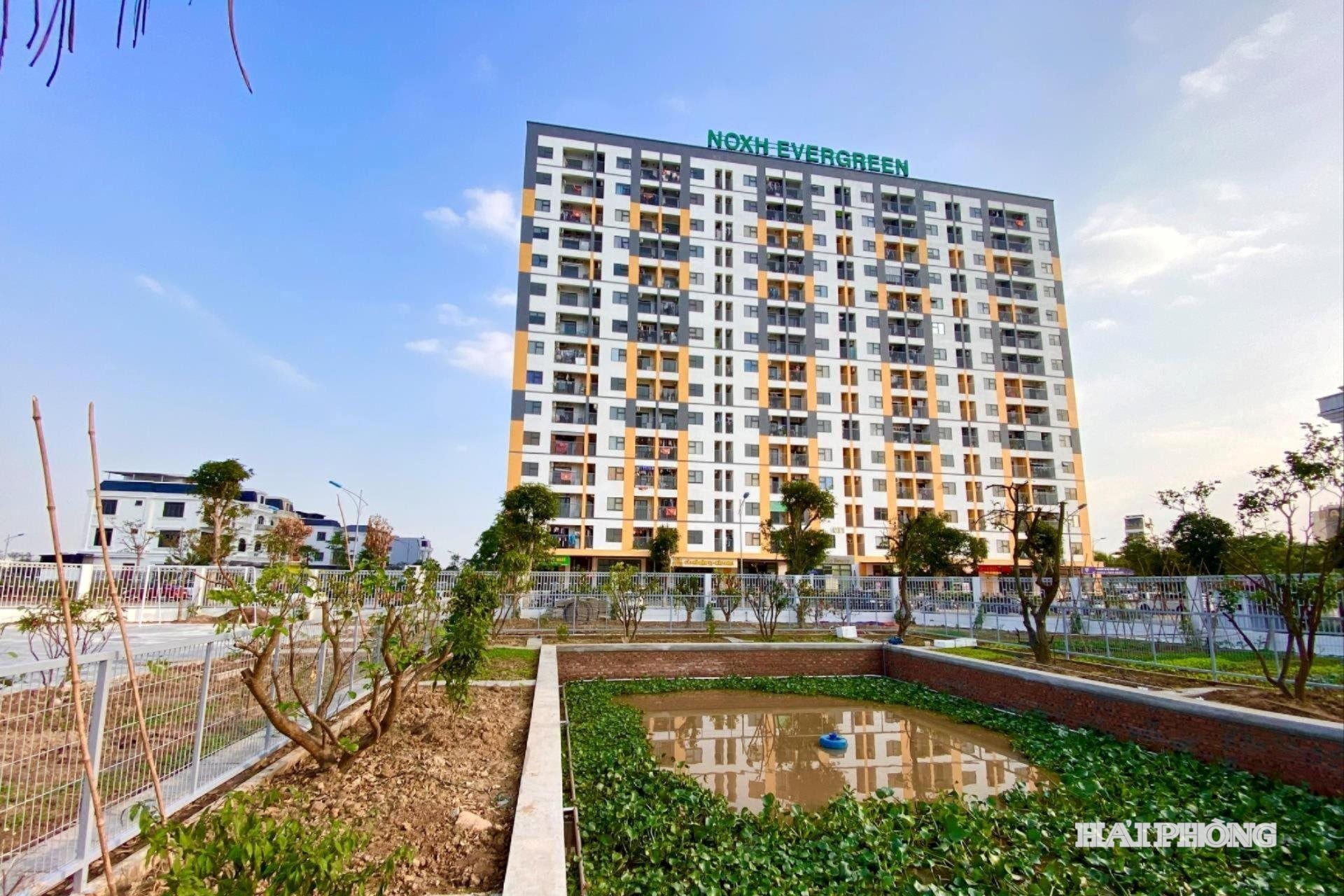
From developing social housing to expanding the rental housing segment, Hai Phong is gradually improving its social welfare infrastructure, creating a foundation for attracting and retaining a skilled workforce.
Building worker housing in parallel with industrial development
Following the administrative merger, Hai Phong now possesses one of the largest industrial development spaces in Vietnam, with 46 industrial parks covering more than 13,000 hectares, along with three strategic economic zones: the Dinh Vu – Cat Hai Economic Zone (22,540 hectares), the Southern Hai Phong Coastal Economic Zone (20,000 hectares), and the Specialized Hai Phong Economic Zone (5,300 hectares).
The city's growth momentum continues to strengthen. In the first five months of 2026, Hai Phong attracted nearly USD 1.5 billion in foreign direct investment (FDI), an increase of 76.3% compared with the same period in 2025, further affirming its position as one of Vietnam’s leading industrial and investment destinations.
Alongside the expansion of industrial parks comes a growing demand for labor. Currently, more than 370,000 workers are employed in industrial parks and economic zones across the city, approximately 34% of whom come from other provinces. Each year, enterprises recruit tens of thousands of additional workers to meet production expansion needs.
In this context, worker housing is no longer merely a social welfare issue but has become an essential component of industrial development infrastructure. According to Mr. Pham Van Thep, Head of the Hai Phong Economic Zone Authority, the city is prioritizing the development of housing funds for workers and employees alongside the expansion of production areas.
In addition to social housing projects in Trang Due, Tan Truong, and Thuy Nguyen that have already met conditions for sale, providing nearly 1,500 apartments, Hai Phong is implementing large-scale projects in Dong Hai Ward and Trang Cat Ward with a combined scale of more than 6,300 apartments. These projects are expected to significantly increase housing supply during the 2026–2027 period.
Regarding worker accommodation, in addition to the LG Display dormitory and the Pegatron worker housing complex, which provide 1,340 rental apartments and are already operational, the city is continuing to develop projects in An Phat 1 Industrial Park and the expanded Dai An Industrial Park. These projects will add approximately 5,400 apartments and are expected to provide accommodation for more than 22,000 workers in the coming years.
Expanding the supply of rental housing
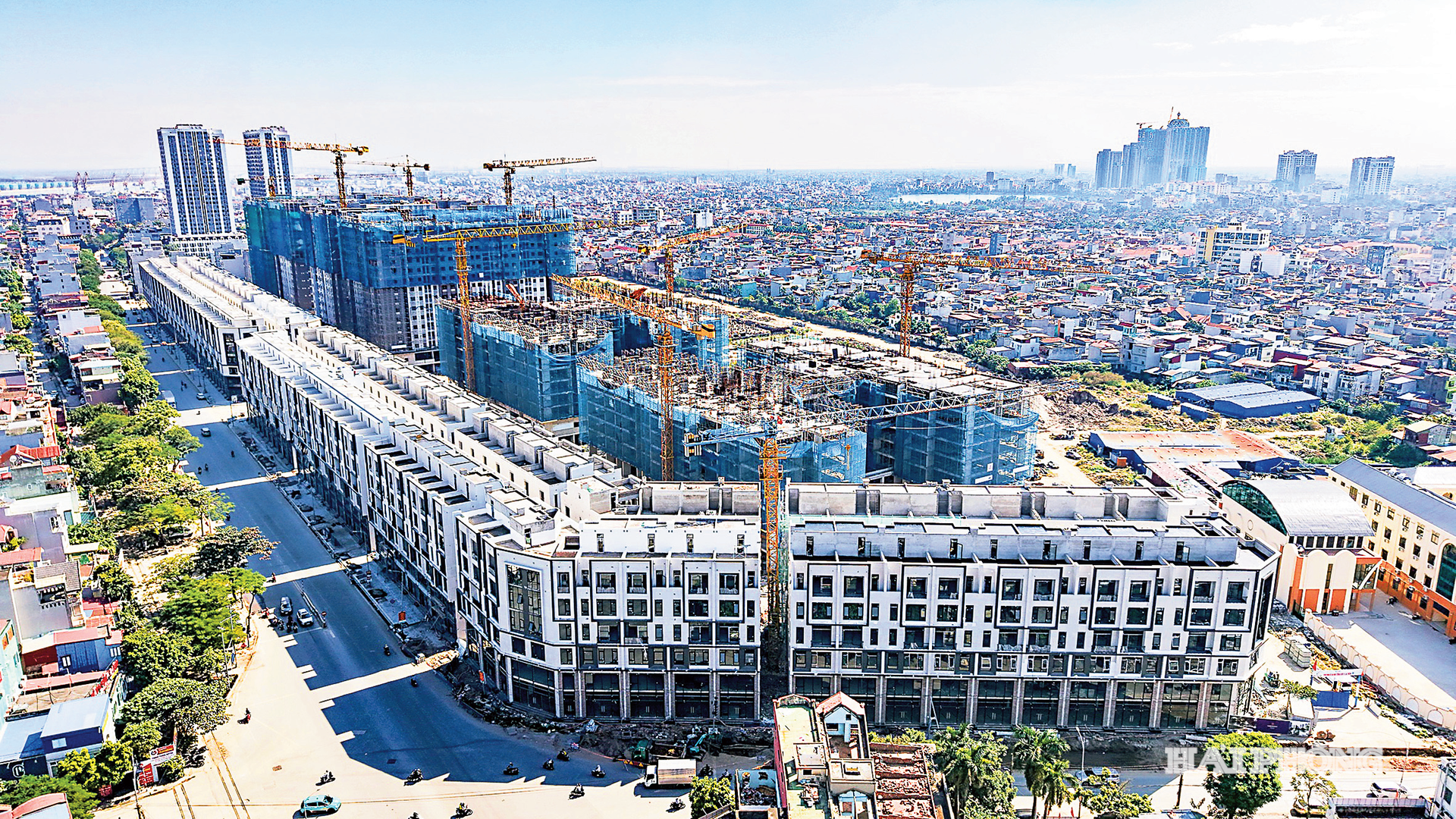
Alongside the demand for owning social housing, the need for long-term rental housing at affordable costs is increasing significantly, particularly among migrant workers, young employees, and technical experts working in industrial parks.
Currently, the city has 744 social housing units designated for rent, of which 605 are already in operation, achieving an occupancy rate of more than 81%. In addition, businesses have invested in approximately 1,340 worker accommodation units. According to the plan, an additional 5,693 accommodation units will be completed by the fourth quarter of 2027, significantly expanding the supply of housing for workers.
In response to the growing demand for rental housing, Prime Minister Le Minh Hung chaired a meeting in early June with Hai Phong and the provinces of Quang Ninh, Hung Yen, Ninh Binh, and Bac Ninh to implement directives from General Secretary and President To Lam regarding the development of rental housing. At the meeting, Hai Phong proposed several mechanisms aimed at removing obstacles and expanding housing supply for workers.
Among the proposals, the city recommended allowing enterprises in industrial parks and economic zones to use legally sourced capital to purchase completed social housing apartments and lease them to workers. It also proposed requiring social housing developers to allocate at least 30% of total floor area to rental housing, thereby creating a stable and long-term supply.
Assessing that demand for rental housing in Hai Phong and many northern industrial provinces remains very high, Prime Minister Le Minh Hung emphasized the need for a major shift in housing market development—from a model focused primarily on home ownership to one that simultaneously promotes both commercial housing and rental housing. Rental housing, in particular, should be recognized as a strategic segment serving workers, employees, civil servants, public officials, and members of the armed forces.
He further stressed that housing development must be integrated with urban planning, land-use planning, public transportation systems, industrial park development, and labor market strategies, with priority given to areas that concentrate large numbers of workers and key economic corridors.
In anticipation of this policy direction, Hai Phong is developing a proposal to allocate approximately VND 4.3 trillion from the Local Housing Fund to acquire around 4,256 social housing apartments for rental purposes. The city is also studying financial support mechanisms for policy beneficiaries, workers, and laborers who need rental accommodation.
As industrial parks and economic zones continue to expand, the coordinated development of social housing, worker housing, and rental housing will not only strengthen social welfare but also enhance the city's competitiveness in attracting investment. Together with its seaport system, logistics network, and transportation infrastructure, providing stable housing for workers will help Hai Phong secure its labor supply, improve the attractiveness of its investment environment, and advance its goal of sustainable industrial development.
Le Hiep