

Adapting to extreme weather conditions
As weather patterns become increasingly extreme and unpredictable, proactive and coordinated adaptation measures are needed to minimize their adverse impacts.
For the first time in 12 years, the meteorological sector has recorded a cold air mass affecting northern Vietnam in June, traditionally one of the hottest months of the year.
Earlier this April, Hai Phong, along with northern Vietnam as a whole, experienced an earlier-than-usual onset of hot weather. By late May and early June, the city endured a prolonged heatwave, with temperatures at times reaching 40°C.
Weather patterns are increasingly deviating from their usual seasonal norms, with unusually high temperatures occurring during winter and cold air masses remaining active well into summer. Moreover, weather phenomena are becoming more severe. Heatwaves are more intense, rainfall is heavier and more concentrated, while storms and floods have the potential to become stronger and more destructive.
Extreme weather events such as droughts, storms, and floods have traditionally followed relatively predictable seasonal patterns, including dry seasons, rainy seasons, and storm seasons. In recent years, however, weather conditions have become increasingly erratic and difficult to predict, making prevention and preparedness more challenging and leading to a wide range of consequences.
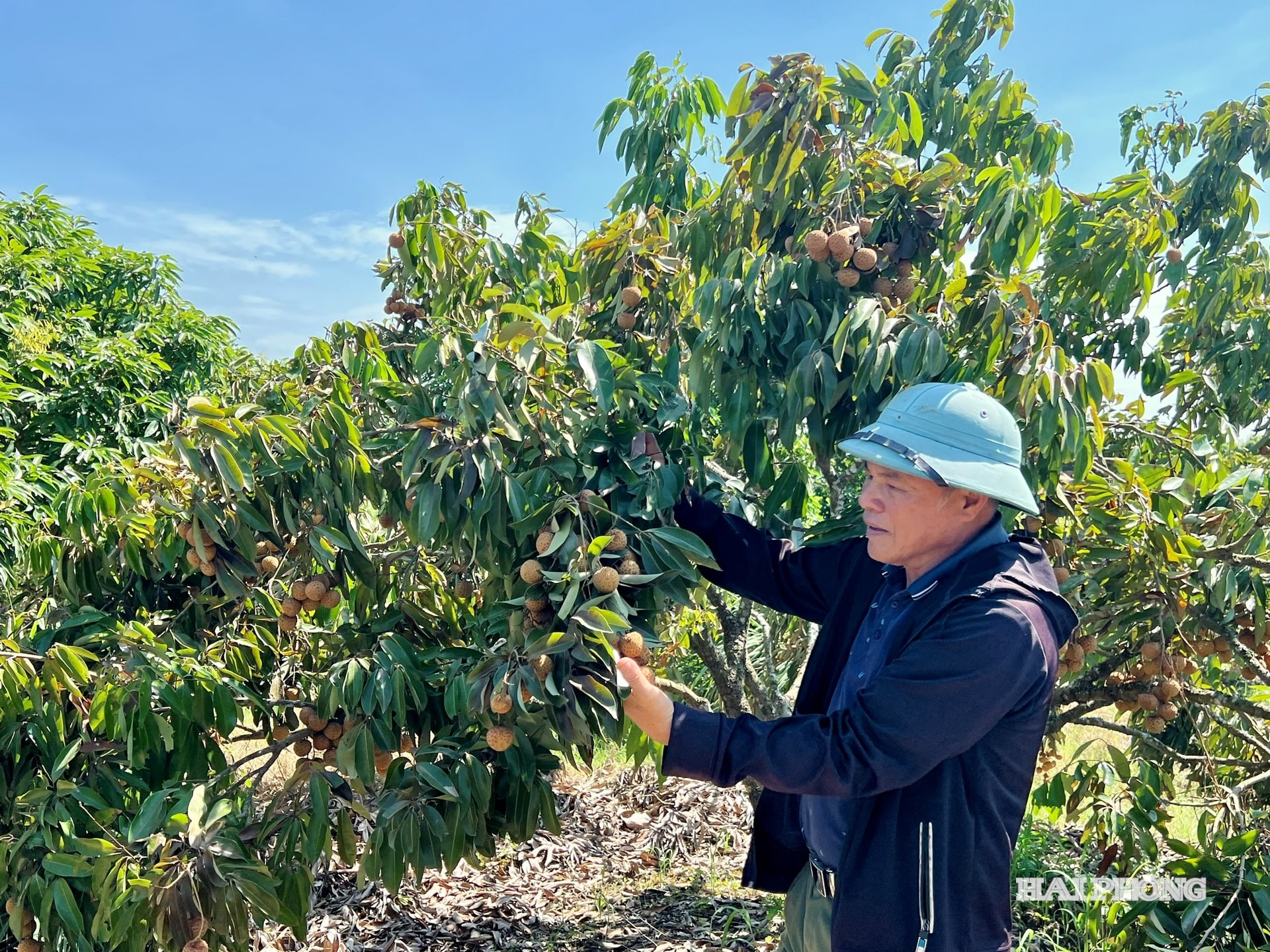
Agriculture, one of the sectors most dependent on weather conditions, has been significantly affected by these changes. In Hai Phong, the unusually warm winter-spring season reduced flowering and fruit-setting rates in lychee orchards.
Some areas planted with hybrid lychee varieties, which are particularly sensitive to weather fluctuations, experienced fruit burn and leaf scorching when intense heat and dry westerly winds followed periods of heavy rainfall. Prolonged high temperatures also shortened the growth cycle of spring rice crops, reducing yields in certain rice varieties.
Recent heatwaves have likewise posed considerable challenges for livestock and aquaculture farmers. Extended periods of extreme heat increase the risk of disease outbreaks, raise production costs associated with cooling systems and animal care, and create difficulties in maintaining stable farming environments.
Outdoor occupations such as construction, transportation, and urban services are also facing increasing challenges as weather conditions become more severe.
Beyond its impact on production, extreme weather has significant consequences for public health and daily life. Prolonged heatwaves increase the risk of heatstroke, cardiovascular disease, respiratory illnesses, and other heat-related health problems. Sudden temperature fluctuations are particularly harmful to older adults, children, and people with underlying medical conditions. In practice, healthcare facilities often see a noticeable increase in patient visits whenever unusual weather events occur.
According to forecasts from the Hai Phong Hydrometeorological Station, the city is expected to experience hotter temperatures and higher rainfall this year compared with long-term averages. Weather developments from April through early June have reinforced this assessment. As a result, proactive adaptation measures are essential to avoid being caught unprepared by extreme weather events.
In recent years, Hai Phong has invested in infrastructure projects aimed at strengthening disaster prevention and response capacity. At the same time, the agricultural sector has encouraged farmers to diversify crop structures and adopt appropriate technical solutions to reduce weather-related risks.
In addition, improving the quality of weather forecasting and early-warning systems is crucial to help residents and businesses prepare effective response plans. Greater public awareness of climate change, more efficient use of natural resources, and the promotion of environmentally responsible lifestyles are also needed. The collective efforts of the entire community will serve as the strongest shield against the growing challenges posed by extreme weather.
Nguyen Mo