
Field survey on growth model transformation at Hateco Hai Phong Port
Hateco International Container Terminal is the first seaport in Vietnam to be developed under a “green and smart port” model.
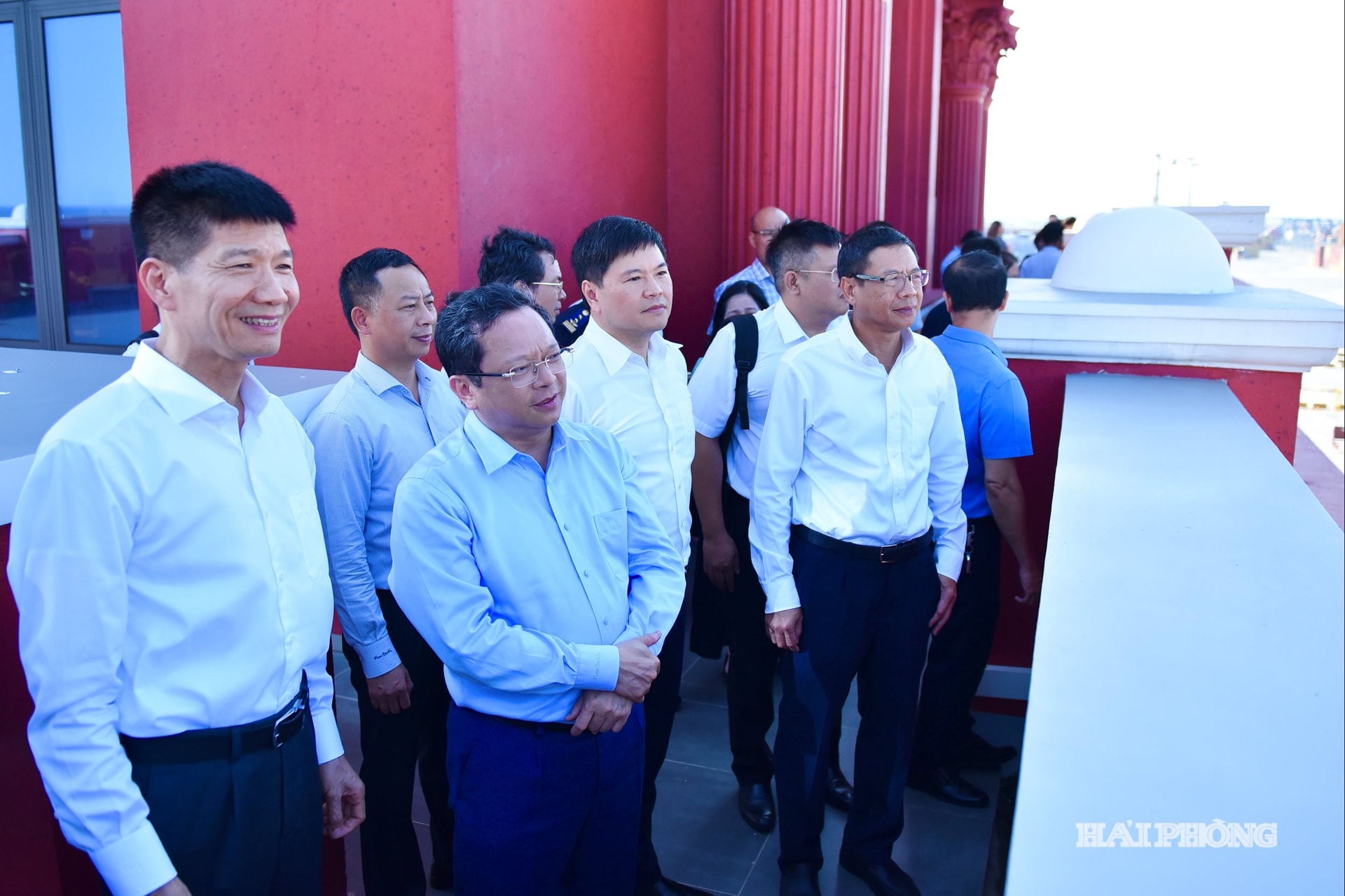
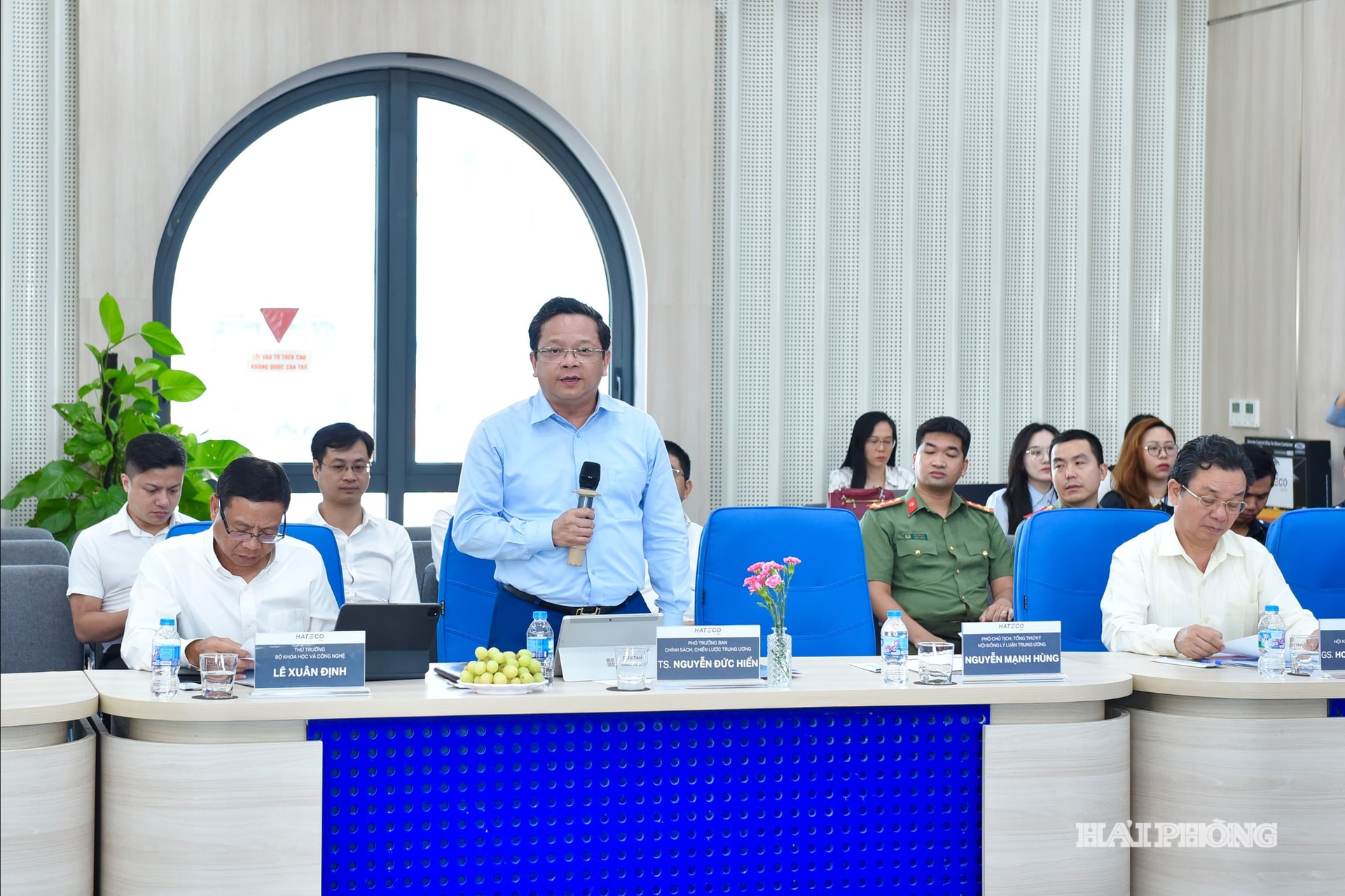
As part of the series of activities within the National Scientific Conference on “Renewing the National Development Model Based on Science, Technology, Innovation and Digital Transformation,” a Central Government delegation led by Deputy Head of the Central Policy and Strategy Committee Nguyen Duc Hien visited and worked at Hateco International Container Terminal in Hai Phong on the afternoon of May 26.
Joining the delegation were Deputy Minister of Science and Technology Le Xuan Dinh, representatives from central ministries and agencies, as well as leading scientists and researchers.
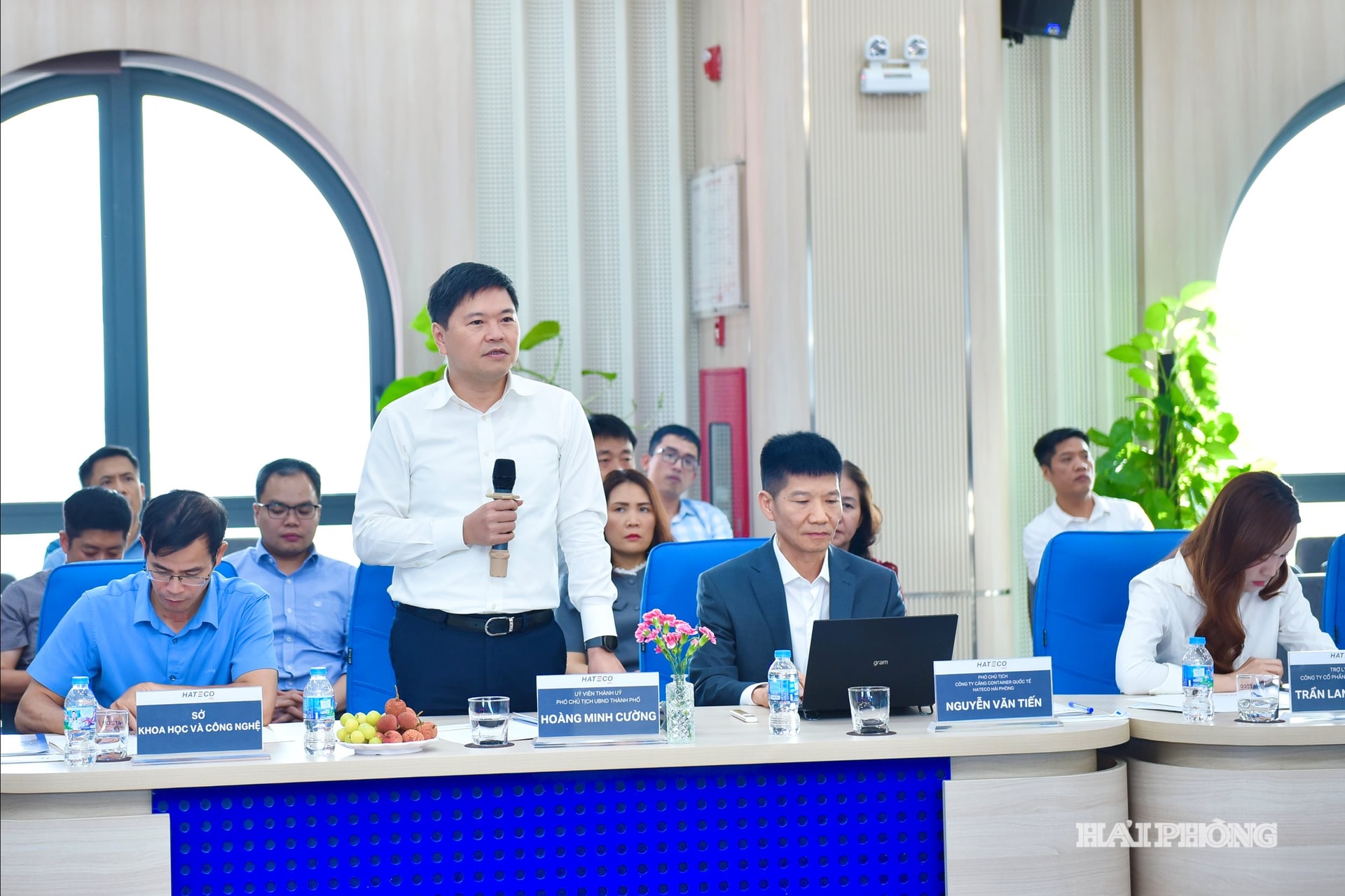
Representing Hai Phong, Vice Chairman of the City People’s Committee Hoang Minh Cuong also participated in the survey delegation.
Reporting to the delegation, Mr. Nguyen Van Tien, General Director of Hateco International Container Terminal, said that Hateco International Container Terminal is currently Vietnam’s most modern deep-water seaport developed under the “green port – smart port” model. It is also the largest port facility in Northern Vietnam, strategically located in the Lach Huyen Port Area area, serving as a direct gateway connecting Vietnam to international shipping routes.
The terminal is equipped with advanced technologies in its port operation system, including STS cranes with an outreach capacity of up to 24 container rows, e-RTG crane systems, the NAVIS N4 terminal operating system, optical character recognition (OCR) technology, 5G network infrastructure and 24/7 surveillance camera systems. In addition, the port operates a fully automated gate system integrated with OCR and RFID technologies, helping optimize productivity and ensure operational accuracy.
Thanks to the application of advanced technologies and modern software systems, Hateco Hai Phong International Container Terminal has optimized port operations and management, improved productivity, reduced vessel waiting times, shortened truck turnaround time within the port, and minimized CO2 emissions. To date, 100% of trucks use the port’s automated gate system, helping reduce truck turnaround time to under 14 minutes and cut emissions by 50%.
In 2026, Hateco Hai Phong Port targets a cargo throughput of 1.4 million TEUs. In the first four months of 2026 alone, the port handled more than 300,000 TEUs.
At the survey session, representatives of Hateco Hai Phong International Container Terminal proposed that the survey delegation recommend the National Assembly, the Government, and central ministries and agencies accelerate the implementation of the Tan Vu – Lach Huyen 2 Bridge and the Lao Cai – Hanoi – Hai Phong railway line; introduce a port authority governance model; upgrade the Lach Huyen shipping channel into a two-way channel; and add a second turning basin for vessels.
During the working session, members of the survey delegation also discussed challenges related to digital transformation, green transition, as well as the management and connectivity of port-operating enterprises.
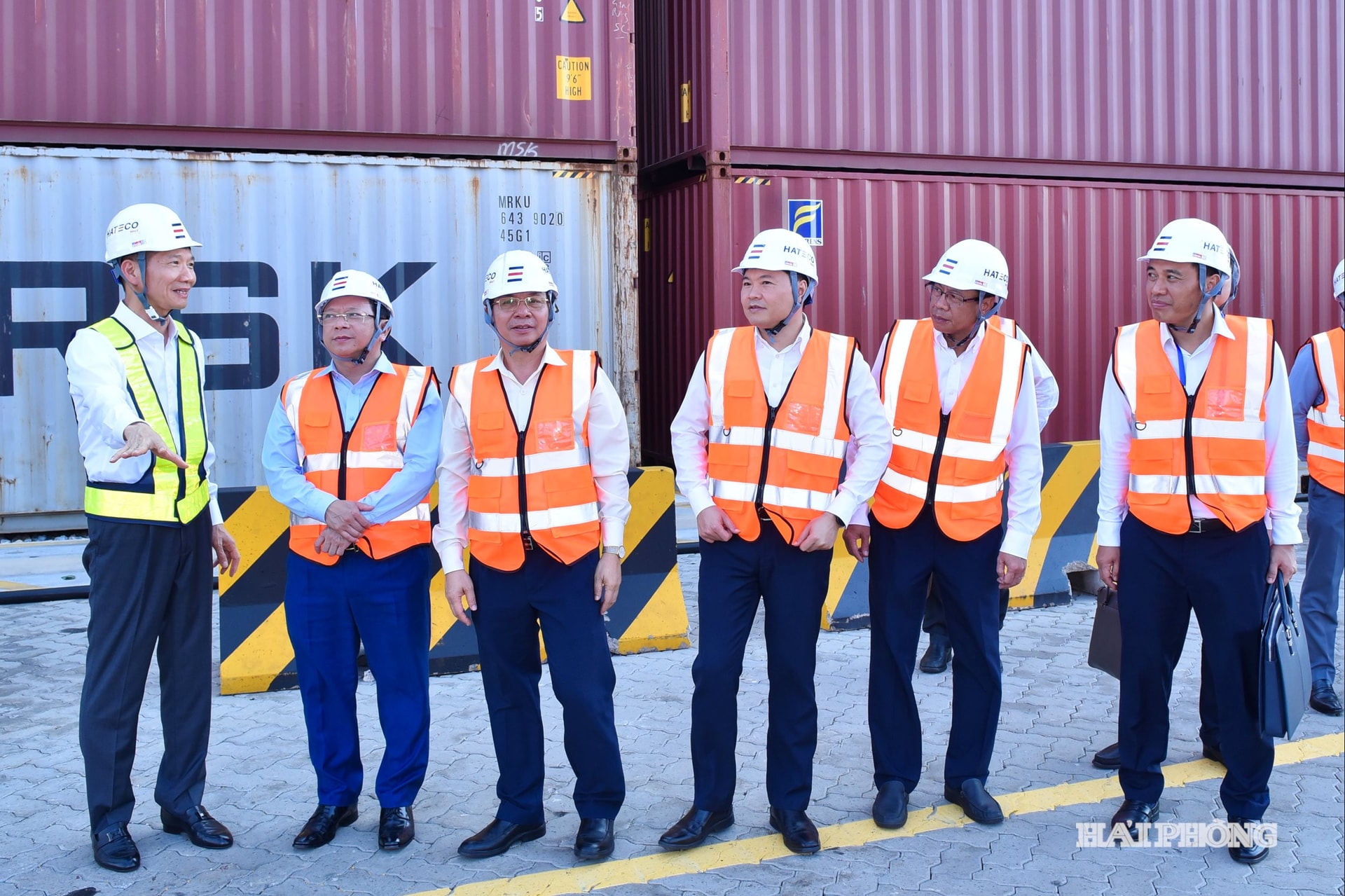
Clarifying several issues discussed during the survey session, Mr. Hoang Minh Cuong, Vice Chairman of the Hai Phong City People’s Committee, shared the city’s strategic orientations for developing deep-water ports associated with building green and smart ports, as well as plans to invest in and synchronously develop multimodal transport infrastructure connecting seaports with industrial parks, economic zones, free trade zones, and other provinces and cities.
Concluding the survey session, Mr. Nguyen Duc Hien, Deputy Head of the Central Policy and Strategy Committee, highly appreciated Hateco Hai Phong International Container Terminal as the first private enterprise in Vietnam to invest in a seaport based on the green and smart port model and as a pioneer in applying green transformation and digital transformation in port operations.
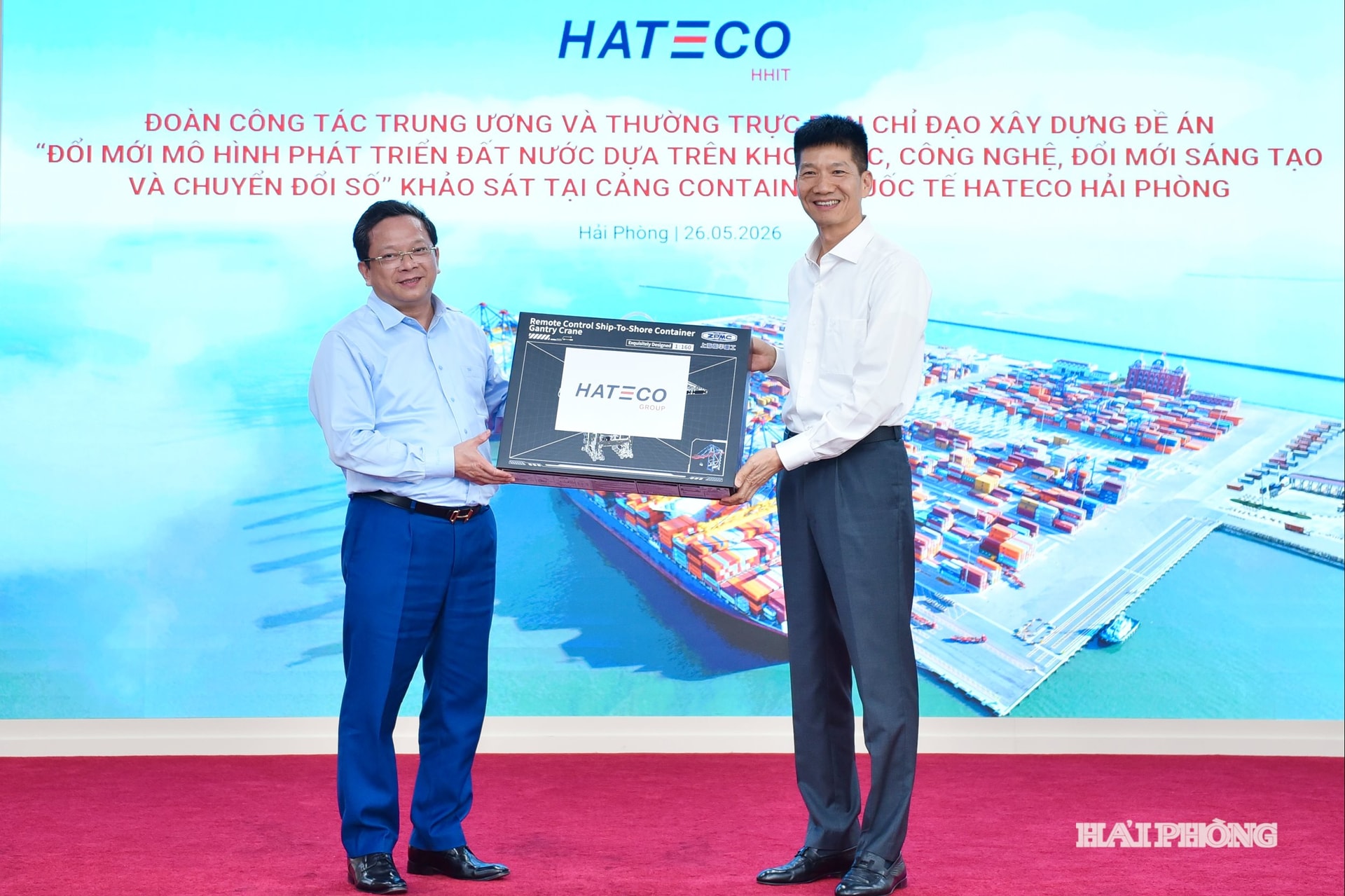
Discussing strategic orientations for the development of the national seaport system, the head of the delegation suggested that Hai Phong City and Hateco Hai Phong International Container Terminal should promote the formation of a synchronized ecosystem, ranging from maritime channels and post-port infrastructure to transport connectivity. He also emphasized that the planning and development of deep-water port clusters should adopt an overall strategic vision to avoid overlapping competition among localities.
The delegation head also highlighted the need to strengthen logistics infrastructure connectivity with non-tariff zones, while continuing to improve policies and legal frameworks related to seaport planning, and to establish criteria for “green ports” and “smart ports.” He further encouraged continued proposals for implementing a port authority governance model.
The head of the survey delegation stressed that the outcomes of the field trip would provide important scientific evidence directly serving the completion of the Central Government’s project on “Innovating the national development model based on science, technology, innovation, and digital transformation” in the coming period.
Pham Cuong - Trung Kien