

Sustainable forest development associated with livelihoods and economy
Department of Agriculture and Environment organized a forum on “Sustainable Forest Management, Protection and Development Associated with Livelihoods and the Economy.”
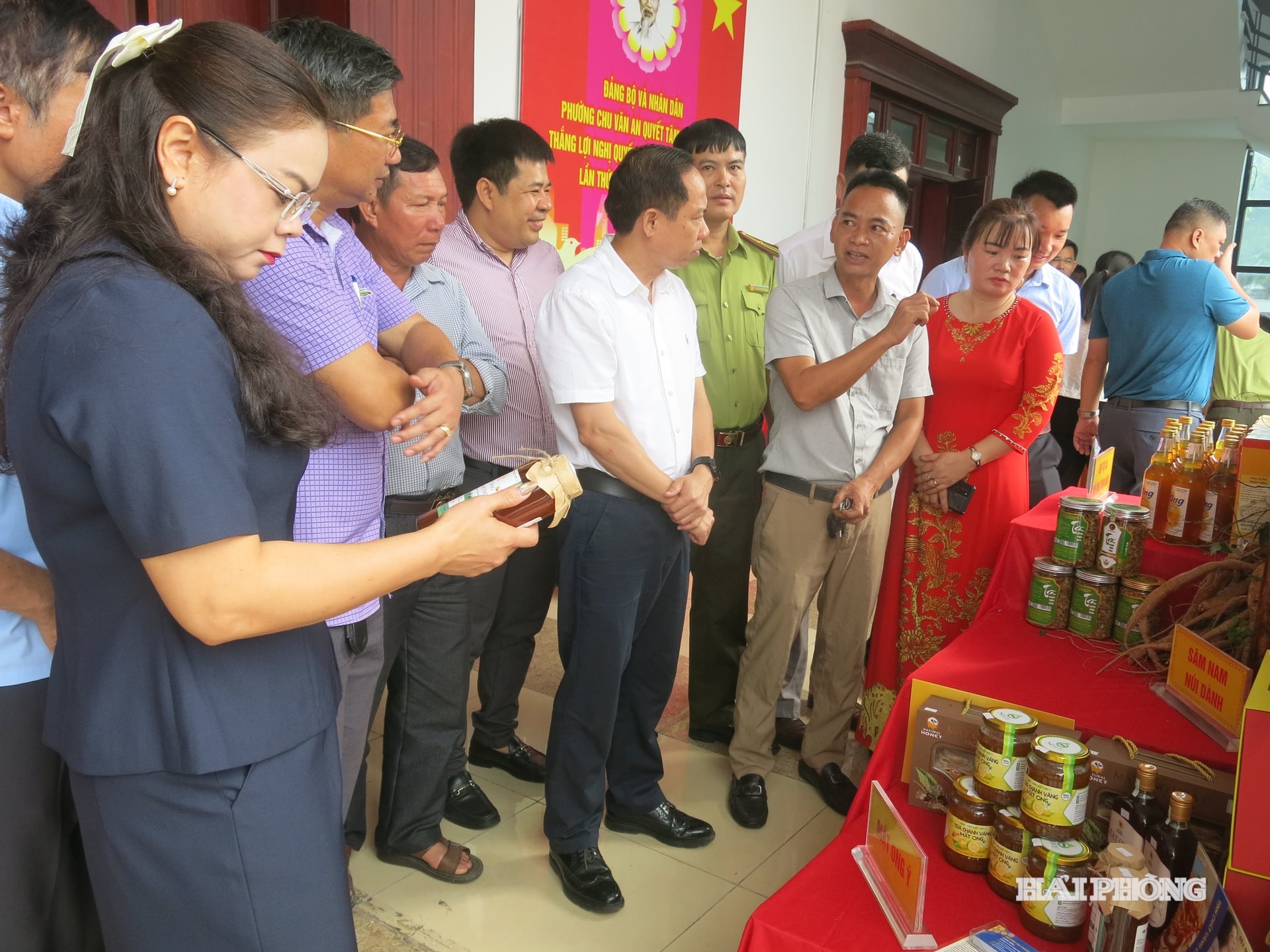
In an effort to improve the quality of forest management, protection, and development, on the morning of May 19, at Chu Van An Ward, the Department of Agriculture and Environment organized the Agricultural Extension Forum under the theme “Sustainable Forest Management, Protection and Development Associated with Livelihoods and the Economy.”
At the forum, functional agencies under the Department of Agriculture and Environment, local authorities in forested areas, businesses, cooperatives, and households contracted to manage forests exchanged practical experiences and shared effective models for developing the forest economy, including aquaculture, agricultural production, community-based ecotourism, and medicinal plant cultivation.
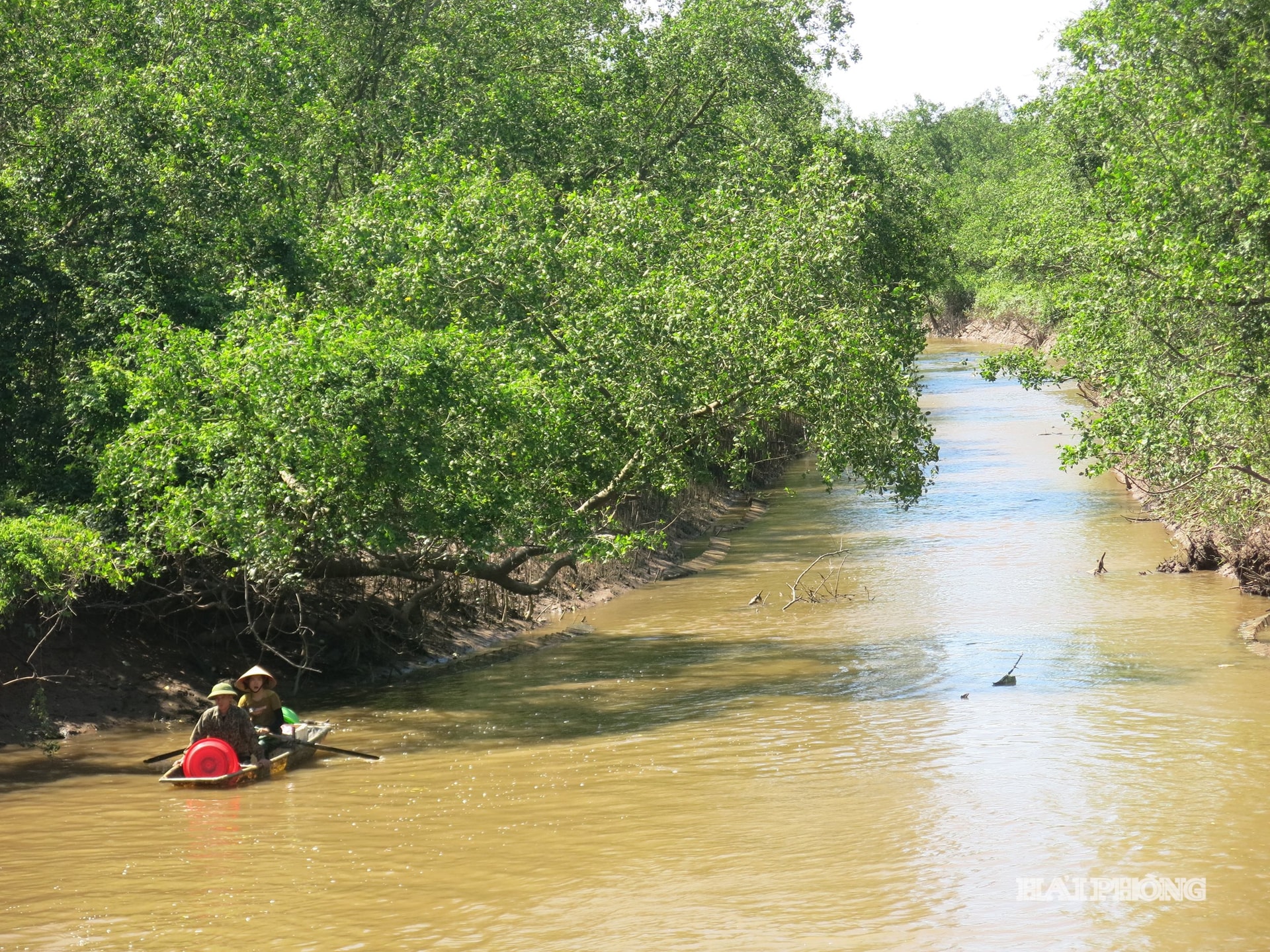
Following the administrative boundary merger, the total forest and forestry land area of Hai Phong now exceeds 22,249 hectares, including more than 8,660 hectares of special-use forest, nearly 10,789 hectares of protection forest, and almost 2,791 hectares of production forest. The area meeting forest criteria covers more than 20,498 hectares, with an overall forest coverage rate of approximately 6.44%.
In recent years, businesses, cooperatives, and households contracted to manage forest land have focused on developing sustainable under-canopy economic models such as medicinal herb cultivation, beekeeping, ecotourism, and OCOP products linked to indigenous natural resources.
Typical models include growing Vietnamese ginseng in Tran Nhan Tong Ward; beekeeping in the Dai Hop mangrove forest in Kien Hai Commune; beekeeping in Hoang Hoa Tham Ward; livestock farming and fruit tree cultivation under forest canopies in Tran Hung Dao Ward; Bat Do bamboo shoot cultivation in Nguyen Trai Ward; and cultivating ba kich medicinal plants in Nhi Chieu Ward.
These models have gradually increased the economic value of forests, created jobs, boosted local incomes, and reduced pressure on the exploitation of natural resources.
.jpg)
The city’s state management of forestry and forest protection has consistently received close attention and direction. Forest rangers, local authorities, forest owners, and residents have actively coordinated in carrying out forest management and protection tasks, forest fire prevention and control, supervision of forest product exploitation and transportation, nature conservation, and the restoration of forest ecosystems.
.jpg)
Within the framework of the forum, delegates also proposed mechanisms and policies to support the development of under-canopy forest economies, as well as the application of scientific and technical advances to improve the efficiency of forest-based economic activities.
In addition, participants discussed solutions to enhance the effectiveness of sustainable forest management, protection, and development, including the application of science and technology, digital transformation in forest management and protection, early forest fire warning systems, and improving forest planting quality.
Ho Huong