

Millions of household businesses to benefit from higher tax exemption threshold
Raising the tax exemption revenue threshold to VND 1 billion per year is helping many household businesses ease financial pressure, giving them more resources to maintain operations and reinvest in their businesses.
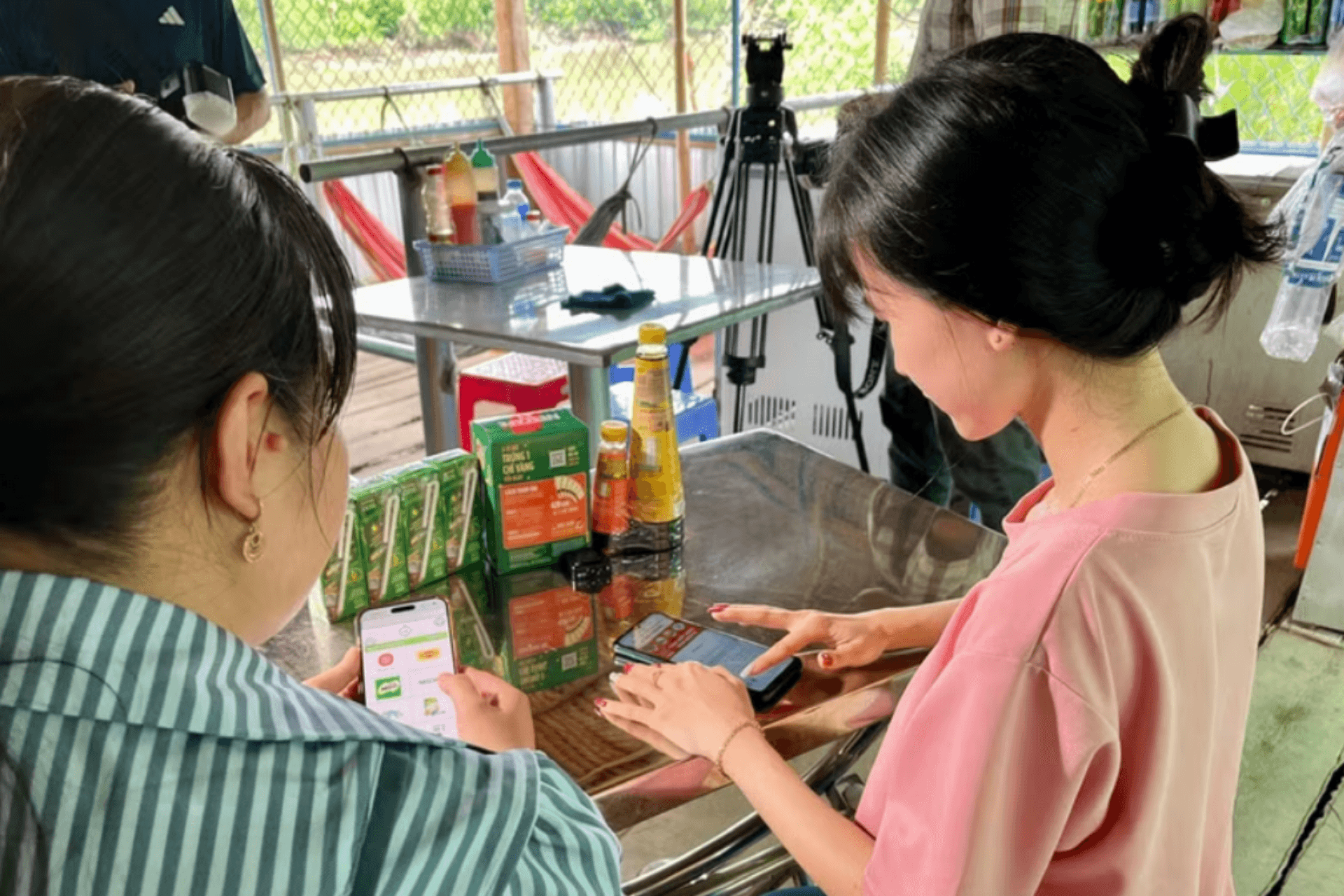
Household businesses see lower tax burdens
Under Decree No. 141/2026 on tax policies for household businesses, individual businesses and corporate income tax, household businesses with annual revenue of VND 1 billion or less will be exempt from value-added tax (VAT) and personal income tax.
According to data from the tax sector, Vietnam currently manages around 3.6 to 3.8 million household and individual businesses, contributing approximately 1.5 - 1.8% of total state budget revenue. Of these, an estimated 60 - 70% generate less than VND 1 billion in annual revenue. This means millions of household businesses are expected to directly benefit from the new policy.
Experts believe the higher tax exemption threshold will significantly reduce compliance costs and financial pressure for small business households, especially as many sectors continue facing rising input costs and fluctuating consumer demand.
In practice, the transition from the previous presumptive tax model to revenue declaration based on the former VND 500 million threshold had already laid important groundwork for implementing the new regulation.
Since the beginning of 2026, local tax authorities have completed training programs for hundreds of thousands of business households on bookkeeping, the use of electronic invoices and revenue management software.
In Hanoi and Ho Chi Minh City, the number of household businesses using electronic invoices generated from cash register systems has risen rapidly, reaching tens of thousands to over one hundred thousand businesses. As a result, most households have not experienced major disruptions after the tax exemption threshold was increased to VND 1 billion.
The new decree also expands incentives for micro-enterprises. Under additional provisions in Decree No. 320/2025, micro-enterprises with revenue below VND 1 billion are exempt from corporate income tax.
According to experts, this is a notable support policy that encourages household businesses to confidently transition into formal enterprises without facing immediate tax pressure during the early stages.
Notably, transitional handling mechanisms have also been designed flexibly. For businesses that temporarily paid taxes in the first quarter of 2026 under the previous VND 500 million threshold, tax authorities will either refund the excess amount or offset it against future tax periods.
Representatives from the tax authority said the data system had already been standardized in advance, allowing overpaid taxes to be identified and adjusted relatively quickly while minimizing administrative procedures for taxpayers.
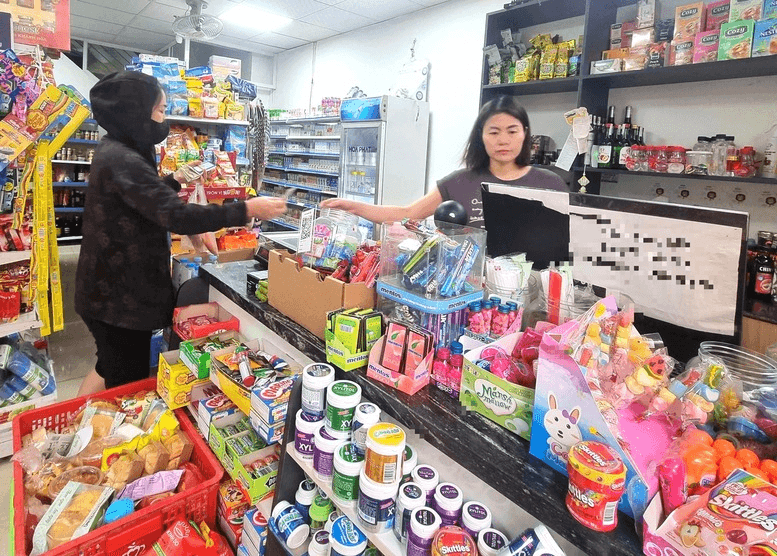
Higher tax exemption threshold lays groundwork for digital transformation
According to economic experts, raising the tax exemption threshold is not only a short-term support measure but also an important step in promoting digital transformation within the household business sector.
After becoming familiar with revenue declaration methods, bookkeeping practices and electronic invoices during the previous VND 500 million threshold period, many household businesses are now better positioned to upgrade their operations toward a more professional model.
Khanh, the owner of a food business in Hanoi, said that the earlier VND 500 million threshold helped her become accustomed to revenue management and invoice issuance. With the exemption threshold now increased to VND 1 billion, her business has seen a significant reduction in financial pressure, as annual revenue currently stands at around VND 700 - 800 million, allowing more resources for reinvestment.
Similarly, Nguyen, a retail business owner in Ho Chi Minh City, said the tax exemption helps save a considerable amount of operating costs, especially as rental prices continue to rise.
The tax sector is now entering a stage focused on optimizing management efficiency. Representatives from tax authorities emphasized that even though businesses earning below VND 1 billion are exempt from taxes, they are still required to maintain proper invoice issuance and revenue records to ensure transparency in business operations.
According to management authorities, this will serve as an important foundation for monitoring businesses once they exceed the revenue threshold, while also helping protect consumer rights in commercial transactions.
Economic experts believe that as household businesses gradually become familiar with revenue management and electronic invoicing, the transition toward formal enterprise models will become smoother. This process is also expected to expand the formal economy and create a stronger foundation for sustainable long-term growth.
Overall, Decree No. 141/2026 is viewed not merely as a technical adjustment to the tax exemption revenue threshold, but also as a policy shift toward greater practicality — one that both helps household businesses reduce cost pressures and supports the broader goal of building a more transparent and modern business environment.
Hai Phong News