

Vietnam emerges as Southeast Asia’s most attractive destination in 2026
Vietnam has emerged as one of the top destinations in Southeast Asia for Singaporean travelers, reflected in strong interest across social media platforms.
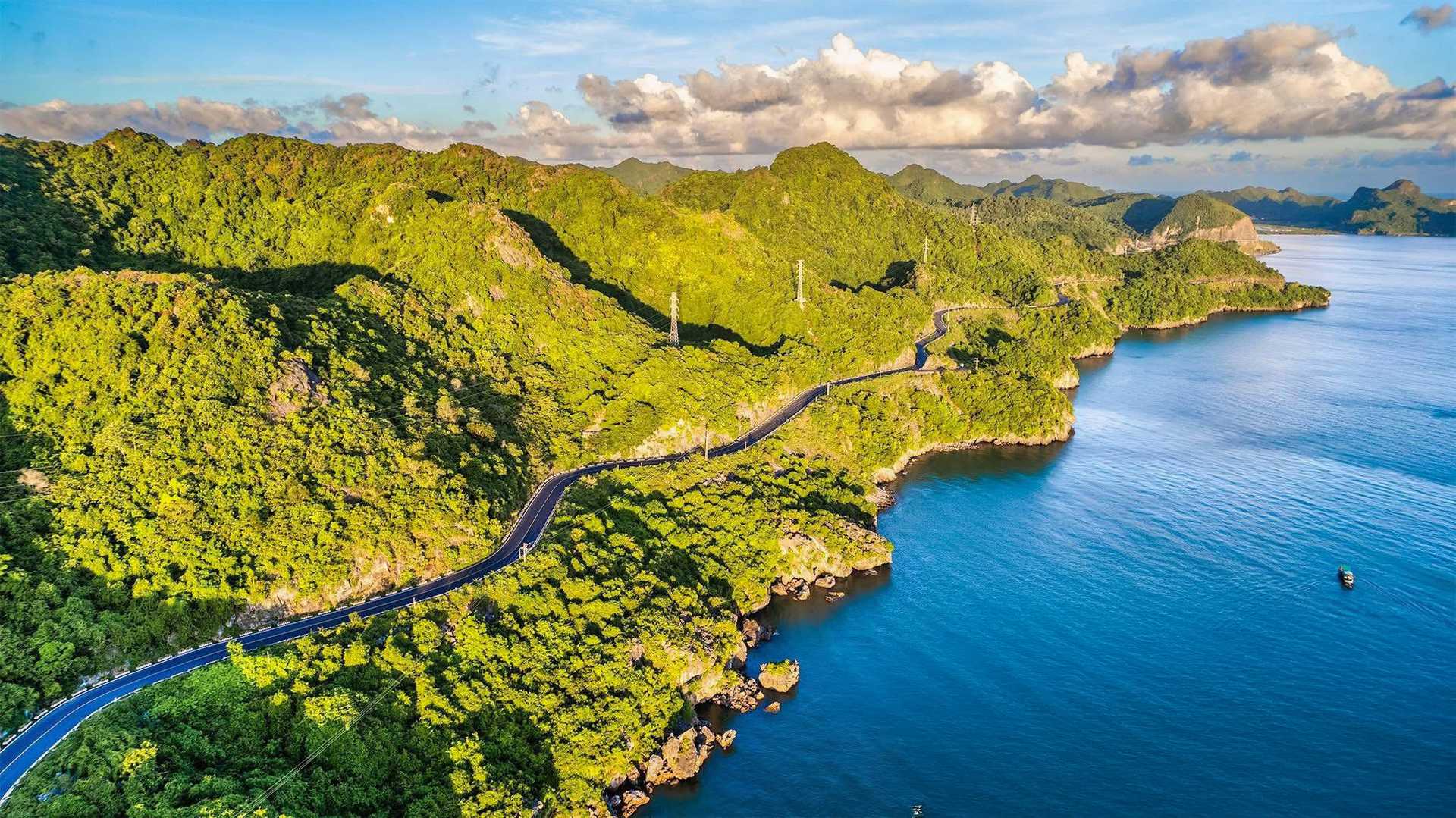
According to data from the Vietnam National Authority of Tourism, the country’s tourism revenue has grown rapidly over decades, rising from 1.34 billion dong in 1990 to 355 trillion dong in 2010, and reaching around 840 trillion dong in 2024.
Following the COVID-19, Vietnam has emerged as the fastest-recovering tourism market in Southeast Asia, with international arrivals reaching about 98% of pre-pandemic figure recorded in 2019.
Experts say underlying factors such as a stable political environment, a strong education system and improving infrastructure have supported long-term growth.
Gareth Leather, senior Asia economist at Capital Economics in London, said these factors have helped Vietnam maintain steady development in recent years and strengthen its position on the regional tourism map.
Vietnam is attracting international visitors through a combination of rich history, diverse natural landscapes and competitive costs.
Nadia Lim, a 25-year-old social media marketing executive, has visited Ho Chi Minh City twice within six months. “For Singaporeans, it is convenient to travel Vietnam. Prices are reasonable and people really enjoy shopping and dining in Vietnam,” she said.
The outlook for Vietnam’s tourism growth in the coming years is seen as positive, with the government targeting around 50 million international arrivals by 2030.
At the same time, international hotel groups are expanding their presence in Vietnam.
Businesses in the accommodation sector say the country benefits from a combination of rising travel demand, improving domestic living standards and increasingly convenient connectivity.
Large-scale projects are also being rolled out to enhance tourism capacity. International groups are partnering to develop resorts and hotels in key destinations such as Phu Quoc and Vung Tau, helping expand room supply in the coming years.
In regions with natural advantages such as northern and central Vietnam, wellness tourism is also gaining momentum, with participation from global brands including Melia Hotels International and Hilton Hotels & Resorts.
Demand is being supported by improved aviation links, with new routes helping increase accessibility for international travelers.
According to VNAT data, visitor arrivals from Singapore rose 15.5% in 2025 compared with the previous year. New air routes launched in recent years have contributed to improved access. However, risks remain.
Experts warn that geopolitical tensions and energy price volatility could affect global economic growth and, in turn, tourism demand. Even so, the overall outlook for Vietnam’s tourism sector remains positive.
VNAT said Vietnam recorded the highest tourism growth in the first quarter of 2026, with 6.76 million international arrivals, up 12.4% year-on-year.
Hai Phong News