
Hai Phong aims to attract USD 4–5 million in foreign non-governmental aid each year
Mobilizing foreign non-governmental aid is not only about quantity but also requires a strong focus on quality.
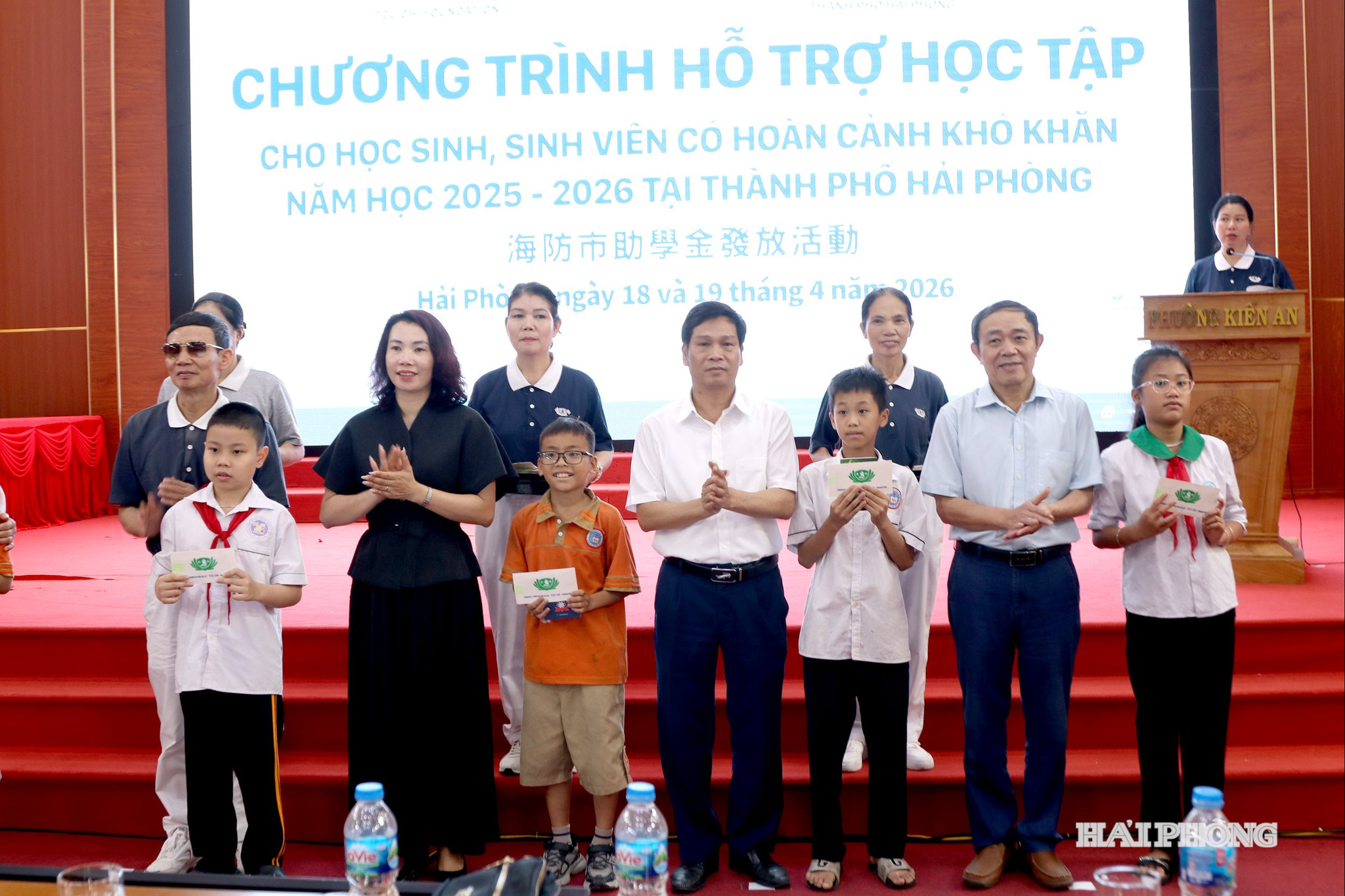
The Department of Foreign Affairs has recently issued Plan No. 50 on socio-economic development, national defense and security, and external relations for the 2026–2030 period, emphasizing the need to proactively expand international cooperation, particularly in mobilizing foreign non-governmental aid.
According to the plan, one of the key tasks is to develop a list of partners, programs, and projects aligned with the city’s development orientation. On that basis, departments, agencies, localities, and relevant units will actively connect and mobilize resources from non-governmental organizations, aiming to maintain and expand foreign aid inflows at around USD 4–5 million per year in the coming period.
Mobilizing foreign non-governmental aid is not only about quantity but also requires a focus on quality, sustainability, and the spillover impact of projects. Priority areas are expected to align with the city’s development orientation, including social welfare, education, healthcare, climate change response, and community development—key pillars that directly affect people’s livelihoods.
In addition, building a clear portfolio of partners, programs, and projects will be a crucial factor in enhancing attractiveness and credibility with donors.
Effective mobilization of foreign non-governmental aid will provide an important additional resource to implement social welfare, healthcare, and education programs, support vulnerable groups, and improve quality of life in a practical way, while also generating positive and multidimensional impacts on the locality’s socio-economic development.
Bui Hanh