
Hai Phong coastal festival – Fishermen’s memories
The coastal festivals of Hai Phong continue to flow quietly like a resilient stream of cultural heritage.
Festivals imbued with the breath of the sea
With a history of hundreds of years closely connected to the sea, Hai Phong possesses a rich system of traditional festivals, among which those associated with the lives of fishermen are particularly prominent. These festivals are not only spiritual and religious activities but also serve as a “living museum,” preserving maritime memories across generations.
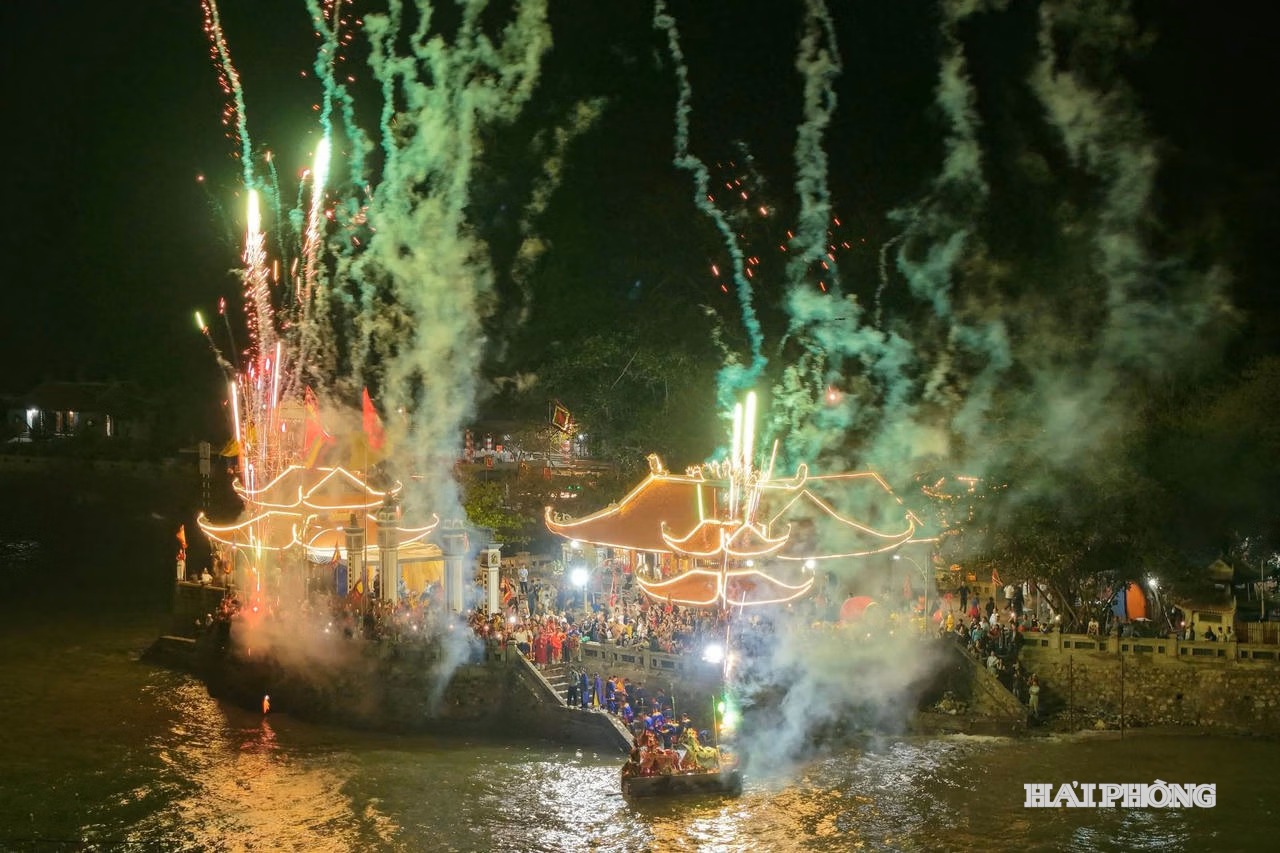
A notable example is the Dau Island Festival in Do Son, one of the festivals that bears strong spiritual characteristics of coastal communities in northern Vietnam. Every year on the 9th day of the second lunar month, fishermen from many localities gather on the island to offer incense at the temple of Nam Hai Than Vuong, praying for favorable weather, safe voyages, and abundant catches.
At the festival, rituals such as incense offerings, the ceremonial raising of the festival flag, and the procession of sacred altars are conducted solemnly, marking the beginning of a series of vibrant cultural activities. Beyond its spiritual meaning, the festival also evokes the Vietnamese tradition of remembering one’s origins and honoring the ancestors who first established the land of Do Son.
Mr. Nguyen Van Hai, a fisherman from Do Son, shared: “We go out to sea all year round and face unpredictable waves, so the festival is a time to place our hopes and faith. It’s not only about praying for luck but also about reminding our children of their ancestors and the fishing traditions of our forefathers.”
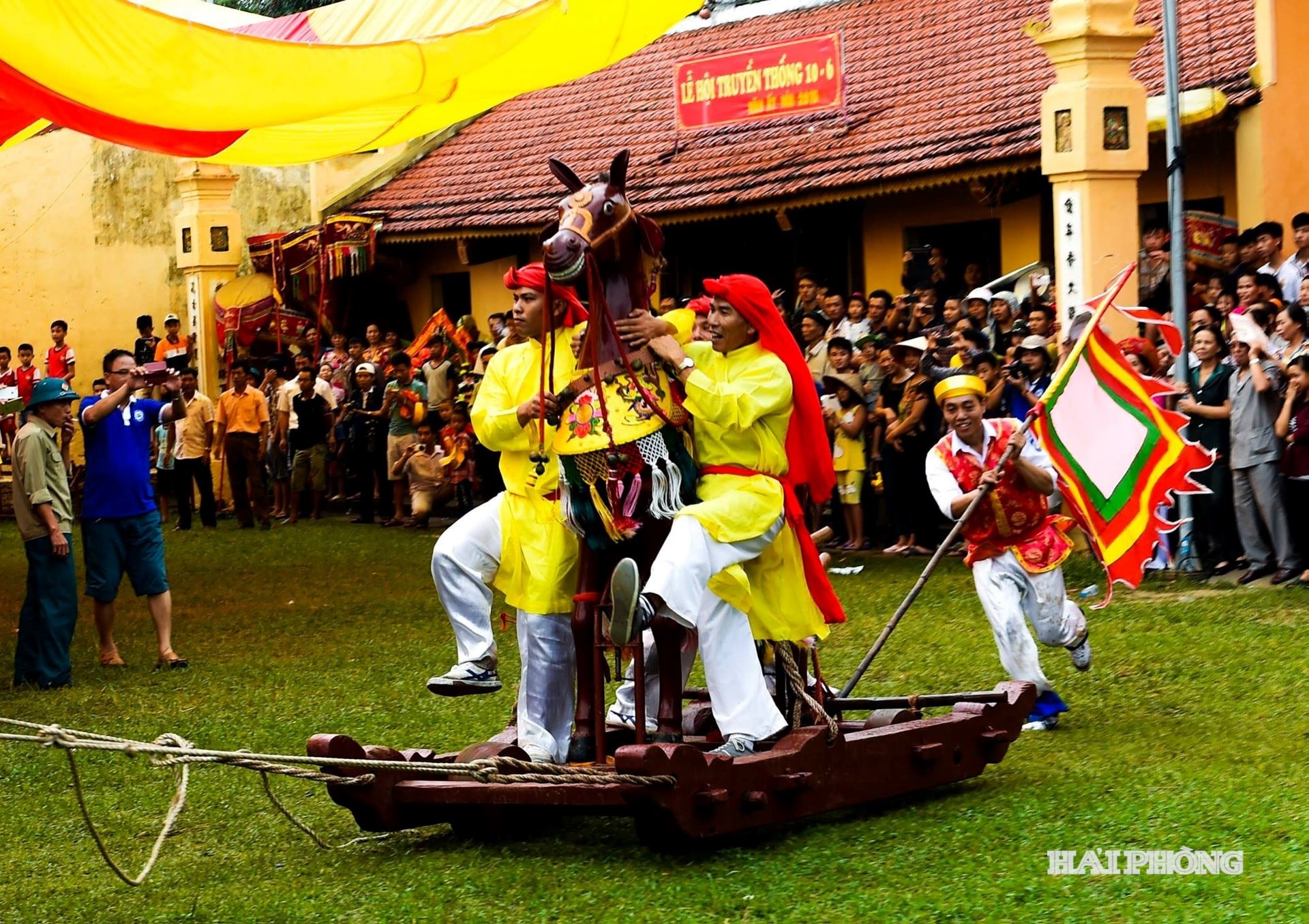
Another distinctive event is the Xa Ma Festival held at Hoang Chau. Taking place annually in the sixth lunar month, the festival is filled with the lively sounds of drums and gongs as ornate palanquins are carried through the village in a harmonious blend of sacred ritual and folk performance.
This festival honors sea deities and village tutelary gods who protected local communities and taught fishing skills to generations of fishermen. The highlight is the Xa Ma ritual, featuring flexible and dynamic movements that symbolize the spiritual presence of the gods and the community’s aspiration to conquer the sea.
Ms. Nguyen Thi Lan, a resident of Ninh Tiep village, said: “Every festival season is a time for the entire village to reunite. Even those who work far away try to return home. It’s a bond that nothing can replace.”
Not only locals but also visitors are fascinated by these vibrant cultural traditions. Mr. Tran Minh Tuan, a tourist from Hanoi, shared: “I’ve traveled to many places, but the coastal festivals in Hai Phong have their own unique charm. They are not only visually impressive but also rich in cultural depth, allowing visitors to truly feel the life of local fishermen.”
At the beginning of the lunar year, Hai Phong also hosts the Cau Ngu Festival, featuring the procession of the golden croaker fish in Kien Hung commune. Held every three years on the 10th day of the first lunar month, the festival includes rituals such as the golden croaker procession, offerings to sea deities, and various traditional cultural activities, expressing hopes for prosperous fishing seasons and a prosperous life at sea.
In addition, Cat Hai organizes traditional boat racing festivals from the 19th to the 21st days of the first lunar month, with boat races between neighborhood teams symbolizing strength, unity, and the spirit of conquering the sea. Meanwhile, the sea-launching festival in the fishing village of Tran Chau, held from the 4th to the 6th day of the first lunar month, features rituals dedicated to the Water God and the Dragon King, along with traditional fishing boat races.
Together, these festivals form a vibrant cultural tapestry of the coastal region, reflecting the enduring relationship between people and the sea.
Coastal festivals in Hai Phong are not merely periodic cultural events; they also carry special value in preserving cultural identity and promoting sustainable tourism.
First of all, festivals serve as a place to preserve community memory, including folk knowledge about the sea, beliefs in sea deities, fishing experiences, and historical stories passed down from generation to generation. Rituals such as incense offerings, palanquin processions, and ceremonial rites are ways for communities to recreate and safeguard their intangible cultural heritage.
Beyond preservation, these festivals also play an important role in developing island and coastal tourism. Hai Phong today attracts visitors not only for its scenic destinations such as Cat Ba Island, Lan Ha Bay, and Do Son, but also for its unique cultural experiences. Festivals become a “touchpoint” that helps visitors gain deeper insight into local life.
According to Mr. Nguyen Quang Dien, Chairman of the People’s Committee of Do Son Ward, the Dau Island Festival is a special folk festival that preserves many layers of cultural heritage and is considered a sacred place. Through the festival, the locality hopes to promote the image of a dynamic and creative Do Son.
Integrating cultural activities such as chau van singing, folk games, and traditional performances within the framework of the festivals has created attractive tourism products with rich experiential value. Ms. Le Thu Ha, a visitor from Ho Chi Minh City, shared: “Traveling to the sea in Hai Phong is not just about relaxation but also about discovering culture. The festivals make the trip much more meaningful.”
However, to fully harness the value of these festivals for tourism development, synchronized solutions are still needed. First is improving event organization to ensure a balance between preservation and tourism exploitation. At the same time, stronger communication efforts and brand-building strategies for distinctive coastal festivals are necessary.
According to Mr. Nguyen Ngoc Hung, Director of LNH International Travel Company in Hanoi, Hai Phong possesses a rich cultural foundation. Effectively promoting the unique beauty of marine cultural tourism can create new highlights and provide more travel options for both domestic and international visitors.
For marine cultural tourism to thrive, the role of the local community is essential. Local residents must be at the center of preserving and promoting cultural heritage. When people take pride in their traditions and actively participate, festivals will maintain long-lasting vitality.
Linking festivals with the city’s overall tourism development planning will also create interconnected tourism products, allowing Hai Phong to better tap into the potential of its “marine cultural economy.”
Coastal festivals in Hai Phong not only preserve the memories of fishing communities but also help shape the identity of a dynamic and tradition-rich seaside city. When properly preserved and promoted, they will become an important resource for Hai Phong to expand its presence on the cultural tourism map of Vietnam and the world.
Tam Phuc