

Heritage links open new tourism space
With two interprovincial World Heritage sites, Hai Phong is well positioned to leverage their value. Linking these assets not only enhances their appeal but also creates fresh momentum to elevate the regional tourism.
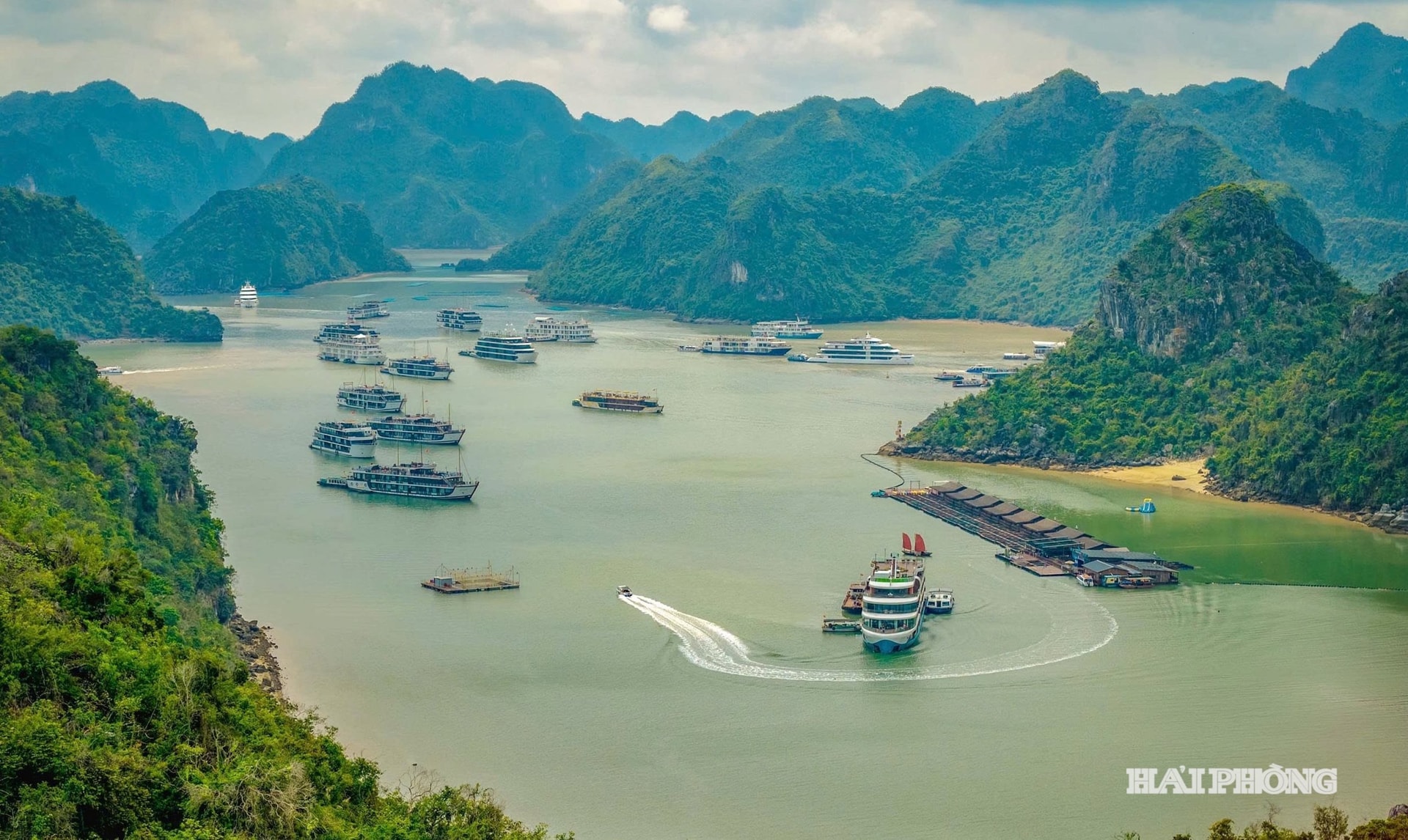
From April 1, tourism connectivity between Lan Ha Bay and Ha Long Bay has been implemented under a joint framework governing tourist vessels between the two localities. Four inter-bay routes have been opened, allowing visitors to experience a seamless journey across the two heritage areas.
Following the implementation, an additional 5,000 to 6,000 domestic and international visitors are expected each day, with more than 50 overnight cruise vessels operating between the two bays. The coordinated framework is expected to unlock significant tourism potential, boosting visitor flows and enhancing the value of heritage assets.
Beyond natural heritage, regional linkage is also evident in cultural heritage. In 2025, the Yen Tu – Vinh Nghiem – Con Son, Kiep Bac Complex was inscribed by UNESCO as a World Cultural Heritage site. This marks Vietnam’s second interregional heritage designation.
The complex represents a unified cultural space reflecting the formation and spread of Truc Lam Zen Buddhism, alongside a range of historical and spiritual values. Once connected, these sites evolve from standalone attractions into a more immersive, in-depth journey.
Building on this foundation, Hai Phong and neighboring localities have jointly developed a range of interregional tourism products, including three themed tours: “One Journey – Five World Heritage Destinations,” “Following the Footsteps of the Truc Lam Patriarchs,” and “Exploring Con Son – Kiep Bac.” These offerings help visitors gain a deeper understanding of heritage values.
Regional connectivity in heritage tourism delivers clear benefits. Chief among them is extending visitors’ length of stay, thereby generating more stable revenue streams and distributing economic gains across multiple localities.
At the same time, such linkages help ease overcrowding at major tourist sites. As visitor flows are redirected to satellite destinations, pressure on core heritage areas is reduced, creating opportunities for less-developed areas to grow.
Heritage connectivity also carries cultural and social significance. Integrating heritage into tourism products, festivals and events allows local communities to better access and understand traditional values, an essential foundation for sustainable preservation.
For international visitors, these connected itineraries offer a more comprehensive view of Vietnam. Beyond scenic landscapes, the country offers a rich cultural environment with deep historical roots, a key advantage as global tourism increasingly prioritizes meaningful experiences.
Hai Phong News