

Reviving Hai Phong’s craft village tourism
Traditional craft villages are not only repositories of cultural heritage but can also become a vital tourism resource if properly exploited.
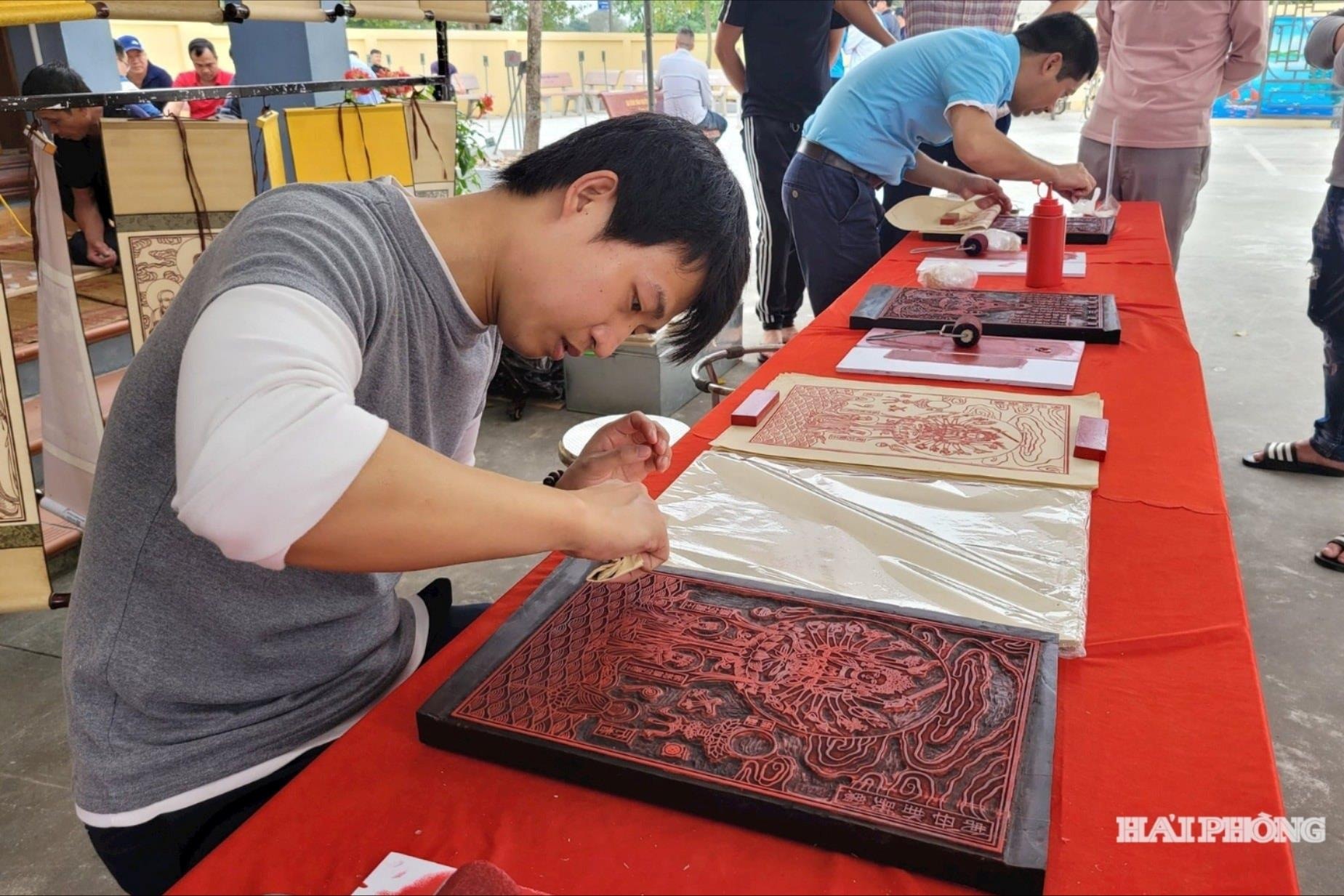
More than 40 international tourists recently visited Cuc Bo Hamlet in Khuc Thua Du Commune to explore rural life, traditional woodworking, and pay respects at Khuc Thua Du Temple. Foreign visitors to Cuc Bo don't just ‘see’ a village, but they also ‘feel’ its living space. Everyday local elements become precious experiences for them.
As Hai Phong finalizes its tourism master plan to 2030, with a vision to 2045 with tourism as a spearhead industry, unique products are essential. Beach tourism shapes the image, urban tourism adds vibrancy, but craft village tourism provides depth, identity, and long-term competitiveness for the city.
The city now has 78 recognized craft villages with over 26,000 employees. These signal rural economic strength. More valuably, each is a ‘living archive’ of culture, history, and folk knowledge.
The key: How to draw, retain, and lure back visitors? Tourism can't stop at sightseeing and shopping. It must offer full immersion from see, hear, touch to participate, to deeply convey village value.
Villagers must evolve from artisans to tourist guide. A simple, authentic story about family or village history often captivates more than signs. Their involvement breathes soul and longevity into tourism.
Craft villages cannot effectively develop tourism without proper planning, infrastructure, and clear direction. Therefore, it is essential to select suitable craft villages for investment as tourism destinations, while supporting product development and connections with travel businesses. Additionally, policies are needed to provide capital support, tourism skills training, as well as strengthening promotion to boost attractiveness and competitiveness.
Hai Phong News