
Cat Ba’s natural advantages boost aquaculture
Favorable climate conditions, combined with well-directed development strategies, have positioned the Cat Ba Archipelago in Cat Hai Special Zone, Hai Phong, as an ideal location for sustainable aquaculture.
Favorable climate and hydrological conditions
Beyond its system of sheltered bays, Cat Ba benefits from favorable climate and hydrological conditions suited to aquaculture. The average annual seawater temperature ranges from 23 to 25°C, with minimal fluctuations, allowing fish to grow steadily year-round. Winter temperatures remain moderate, while summers are not excessively extreme, reducing the risk of thermal shock, a factor that often leads to significant losses in aquaculture.
Salinity levels range from 26 to 32‰ and remain relatively stable across seasons, supporting high-value species such as grouper, cobia, and pompano. Surrounded by limestone mountains, Lan Ha and Tra Bau bays act as natural barriers, reducing wave and wind impacts and creating calm waters, ideal for large-scale cage farming.
High water clarity, rich dissolved oxygen levels, and a diverse ecosystem ensure a steady supply of natural feed, enhancing the quality of farmed fish.
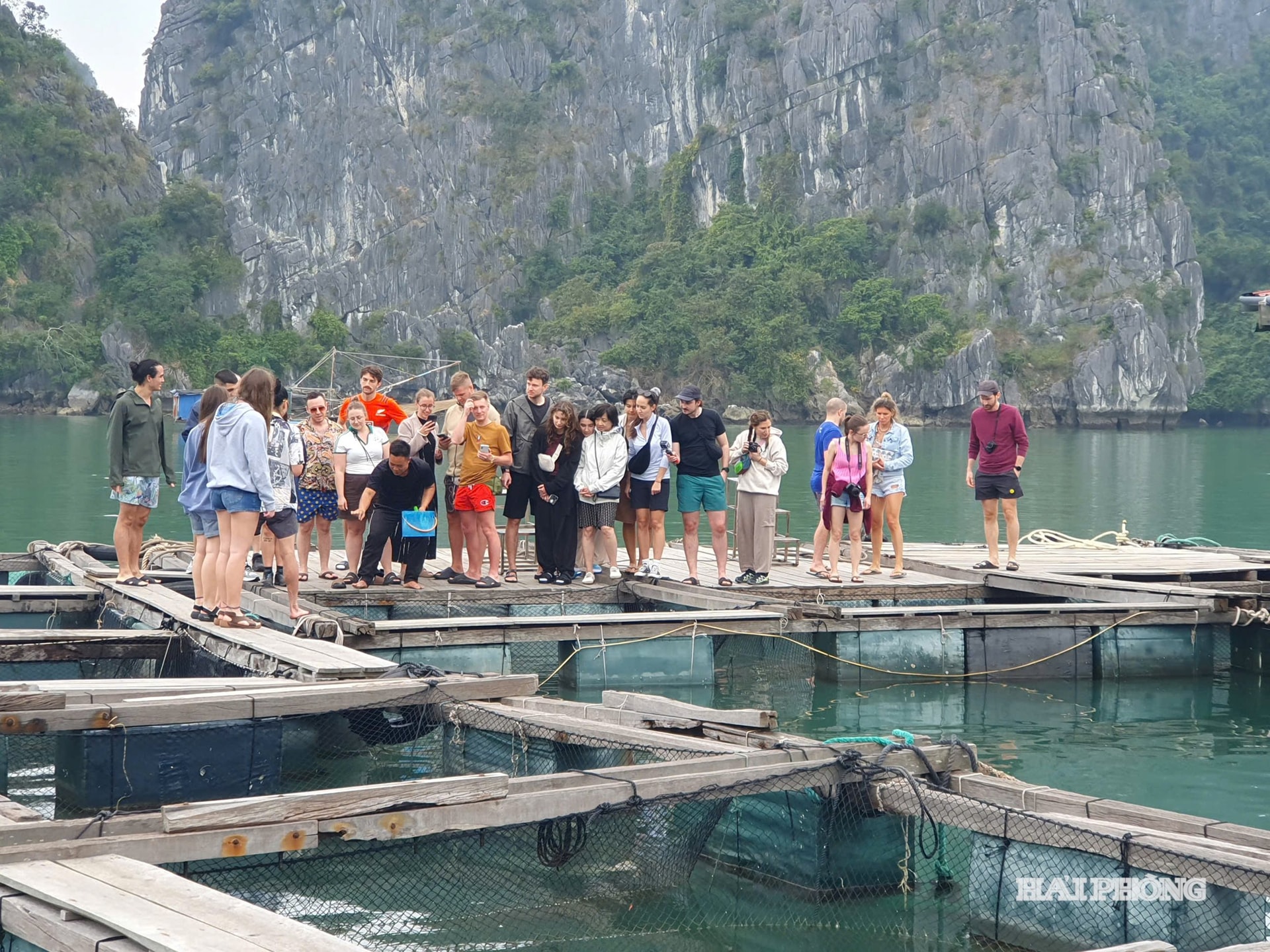
Taking advantage of these factors, local residents have expanded cage aquaculture, with 141 facilities operating steadily. Key species include grouper and pompano, generating high economic returns. Many households earn hundreds of millions of dong annually, helping stabilize livelihoods and sustain long-term engagement in the sector.
Science, Technology and Green Policy Support
In addition to natural advantages, Cat Ba benefits from abundant natural fingerlings, a strong scientific research base, and a large consumer market, laying a solid foundation for the development of high-tech marine aquaculture.
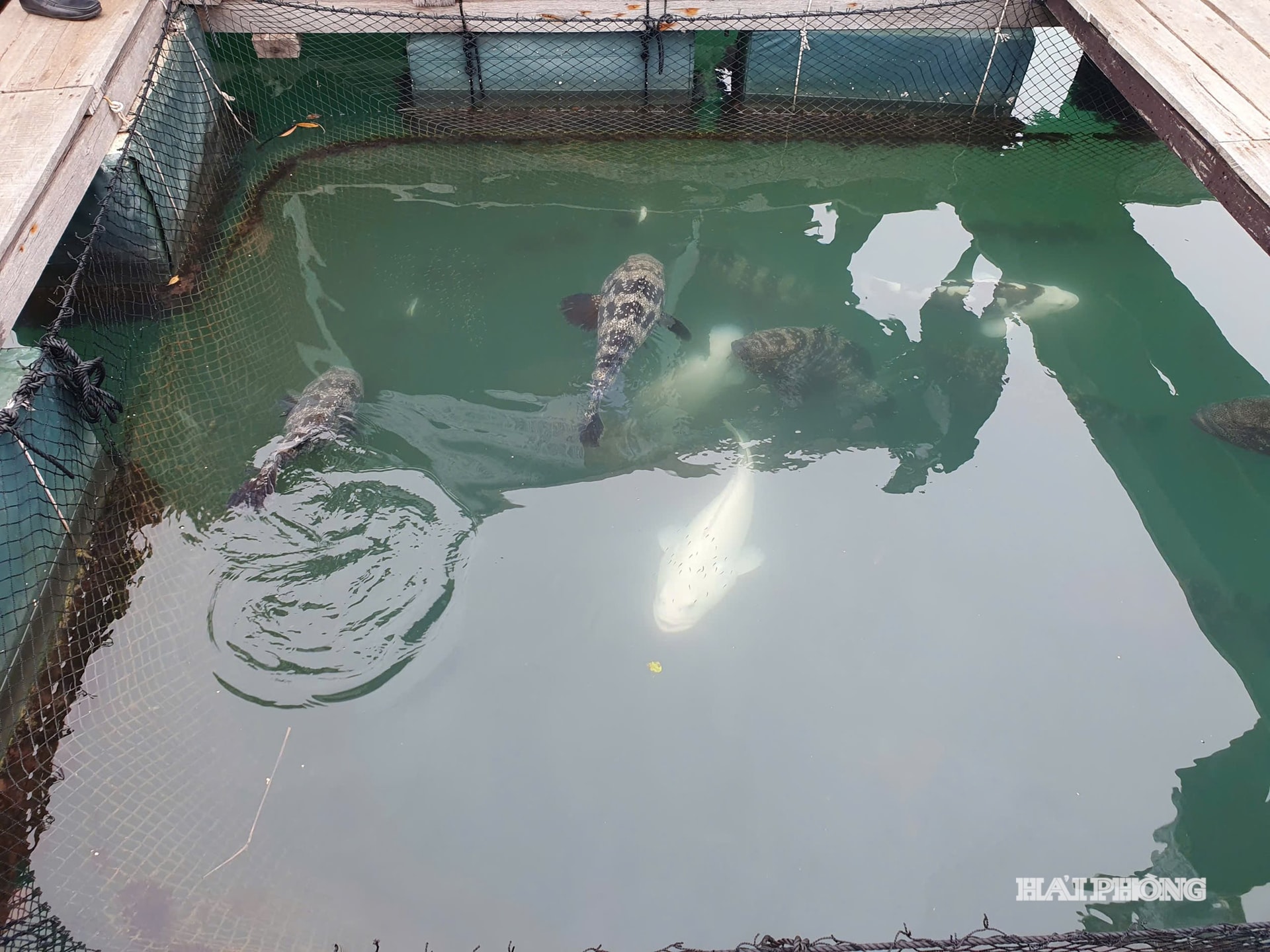
The cage farming area of the Northern Marine Aquaculture Research and Breeding Center under the Ministry of Agriculture and Environment in Lan Ha Bay is among the largest hatchery facilities in northern Vietnam. With over 100 cages, it cultivates 15 marine fish species and 12 mollusk species, supplying millions of high-quality juveniles annually to local farmers.
Despite these achievements, cage aquaculture in Cat Ba has faced challenges, particularly from spontaneous and unregulated development that previously impacted the environment.
In response, Hai Phong has rolled out strong measures to restructure the marine aquaculture sector. Resolution No. 05/2021 and Decision No. 3876/2022 have helped reorganize and plan aquaculture zones in a more centralized and scientific manner.
By the end of 2025, the city issued Resolution No. 51/2025, introducing policies to encourage concentrated agricultural production for the 2026–2030 period. Under the policy, investors in aquaculture are eligible for support covering 30% of infrastructure costs (up to VND 300 million per facility) and 30% of input costs, including seed stock and materials (up to VND 70 million), provided projects align with approved planning.
As Cat Ba moves towards becoming an internationally recognized eco-tourism hub, the development of sustainable marine aquaculture is expected not only to generate economic benefits but also to preserve the outstanding natural values of the Cat Ba Archipelago World Natural Heritage site.
Hai Phong News