
Sustainable energy infrastructure development
The approval of the investment policy for the PV GAS Hai Phong terminal project on Cai Trap Island affirms the pivotal role of energy infrastructure in the city’s long-term development strategy.
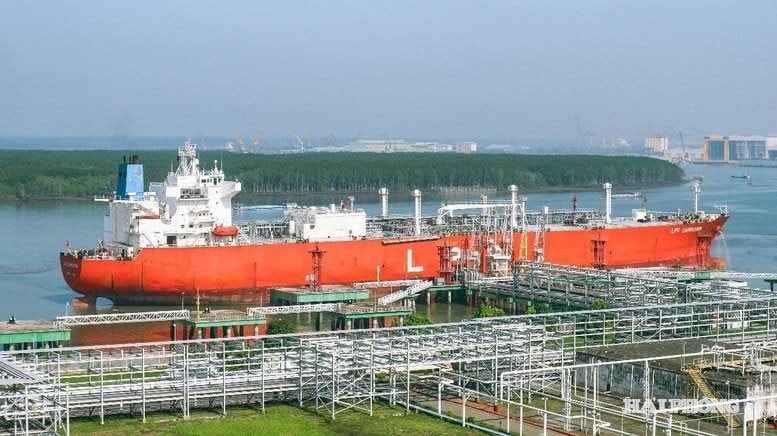
The Hai Phong People’s Committee has issued Decision No. 915 dated March 13, 2026, approving the investment policy for the PV GAS Hai Phong terminal project at Cai Trap Island.
Once operational, the project will enhance the import, storage, and distribution capacity of LPG for PetroVietnam Gas Corporation in northern Vietnam, meeting the rapidly growing energy demand of the market while ensuring a stable supply for both industrial and residential customers.
As Hai Phong emerges as one of the country’s leading economic centers, ranking among the top three local economies in Vietnam, energy demand is no longer simply about having “enough supply.” Instead, the city must ensure proactive, stable, and long-term energy reserves. Economic expansion, industrial production, and investment attraction all depend heavily on reliable energy infrastructure. Without this foundation, advantages in geography or transportation infrastructure cannot be fully realized.
Therefore, the LPG terminal project at Cai Trap holds strategic significance. With a storage capacity of approximately 60,000 tons and the ability to accommodate vessels of up to 100,000 DWT, the facility will not only expand import and storage capacity but also reshape the regional energy supply chain in northern Vietnam. Direct connections with seaport systems and international shipping routes will significantly reduce logistics costs and improve flexibility in managing supply—an especially critical factor amid the volatility of global energy markets.
At a broader strategic level, modern energy infrastructure is not only essential for production but also acts as a “safeguard layer” for economic security. Stable LPG supply helps industrial and service enterprises, as well as households, minimize risks of supply disruption and maintain sustainable growth momentum. This foundation reinforces Hai Phong’s role as a key economic driver in northern Vietnam.
Notably, the project is located within the Dinh Vu – Cat Hai Economic Zone, an area that integrates key pillars such as industry, seaports, and logistics. The presence of a large-scale LPG terminal is expected to create spillover effects, fostering the development of an energy service ecosystem, transportation networks, and supporting industries. Its value therefore extends beyond capacity figures to the creation of broader value chains for the region.
From a local development perspective, the project will contribute to job creation, increased state budget revenue, and the stimulation of construction and investment activities. Over the long term, it will enhance the city’s competitiveness in attracting large-scale investment projects. As investors increasingly prioritize stable energy infrastructure, Hai Phong’s proactive approach clearly positions the city a step ahead.
At the national level, developing LPG import, storage, and distribution infrastructure in a strategic location like Hai Phong will also strengthen Vietnam’s energy security. A well-distributed network of energy terminals reduces reliance on a limited number of supply hubs and improves the economy’s resilience to market fluctuations.
From a traditional port city, Hai Phong is steadily transforming into a modern, integrated economic center where industry, logistics, and energy are closely interconnected. Developing sustainable energy infrastructure therefore reflects a strategic vision—one aimed not only at rapid growth but also at long-term resilience and adaptability in an increasingly volatile global environment.
Bui Hanh