

Vietnam approves atomic energy development strategy through 2035
Vietnam has approved a strategy to develop and apply atomic energy for peaceful purposes through 2035, with a vision to 2050, according to a government decision signed by Deputy Prime Minister Nguyen Chi Dung.
The strategy aims to turn atomic energy into a key techno-economic sector, contributing to national strength, scientific and technological capacity, and improved living standards, while moving toward a full-fledged nuclear energy industry on a suitable roadmap.
It reaffirms that developing and applying atomic energy, including nuclear power, is a consistent and strategic policy, based on a long-term vision and a comprehensive approach covering institutions, infrastructure, technology, finance and human resources. Vietnam also seeks to leverage its latecomer advantage to gradually master nuclear technologies.
The plan stresses that all activities must ensure the highest standards of safety and security for people, the environment and society, with a strong safety and security culture underpinning the sector.
The state will play a guiding role, ensuring safety, investing in strategic infrastructure and strengthening capacity, while promoting public-private partnerships and private investment, and encouraging domestic enterprises to take part in research, development and technology mastery.
Vietnam will also step up international integration and cooperation, including closer collaboration with the International Atomic Energy Agency, and fully implement its international commitments.
By 2035, the strategy targets safe and secure development of atomic energy applications to support socio-economic growth, environmental protection and national energy security, contributing to the country’s goal of net-zero emissions by 2050.
Vietnam plans to bring nuclear power plants into operation safely and efficiently to help ensure energy security for digital and green transitions, while completing key tasks in its nuclear power development program.
The country will expand the use of radiation and radioactive isotopes across economic and technical sectors, targeting average annual growth of 10–15% in these applications by 2035.
It also aims to strengthen nuclear science and technology capacity, improve regulatory frameworks, and develop a skilled workforce, alongside building advanced research infrastructure. Plans include establishing two national key laboratories focused on nuclear power technology and rare earth, uranium and titanium technologies, as well as three to five advanced laboratories.
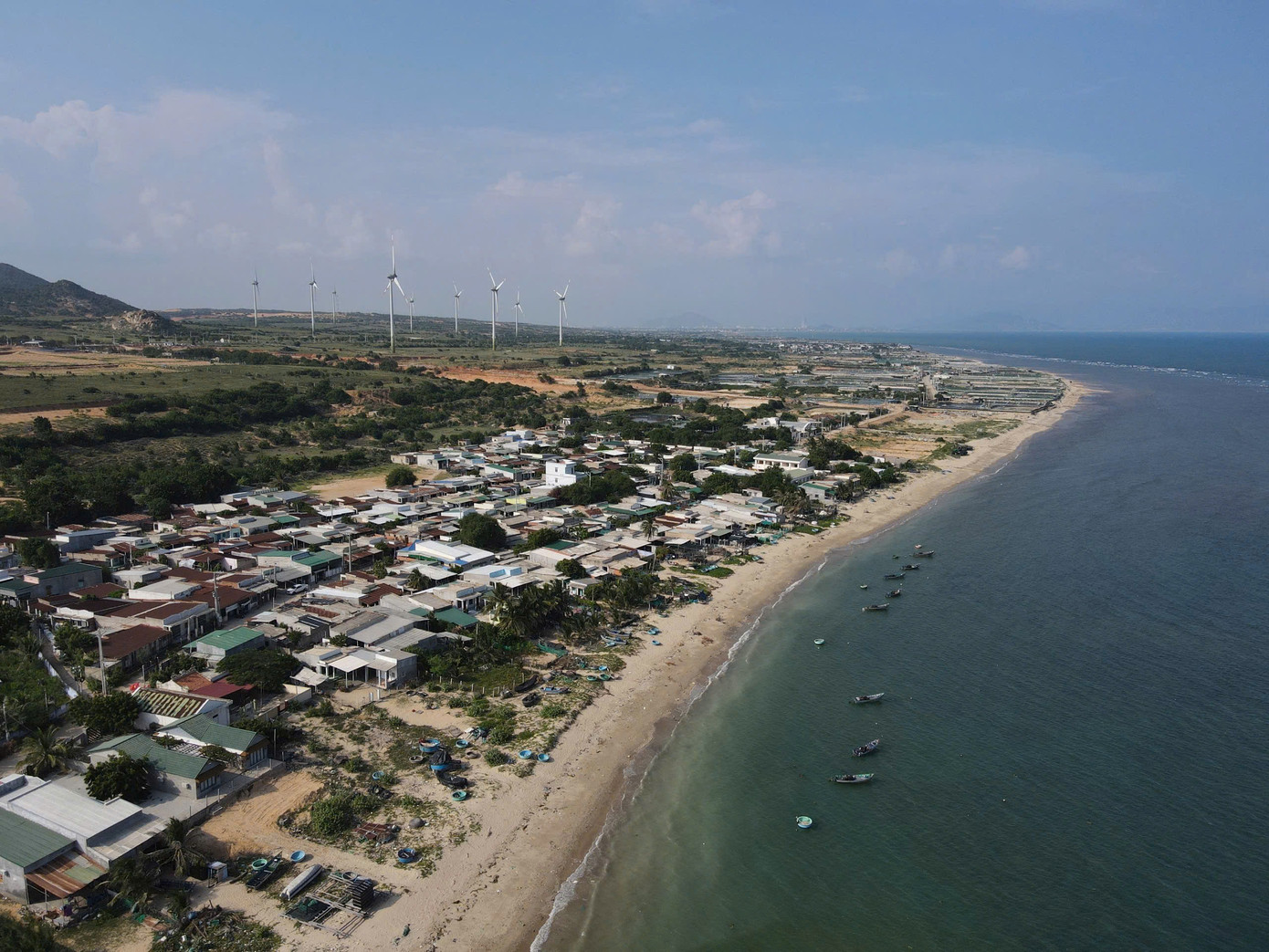
In nuclear power development, Vietnam aims to complete and safely operate the Ninh Thuận 1 and Ninh Thuận 2 nuclear power plants by 2035.
Looking to 2050, atomic energy is expected to become a major techno-economic sector, making a significant contribution to energy security, the green economy and sustainable development, with nuclear power accounting for about 6–8% of total national electricity output.
Hai Phong News