

Digital transformation’s impact on the election
Behind the familiar ballots lies a new highlight of this year’s election: digital transformation has been implemented across multiple stages, contributing to more efficient election organization.
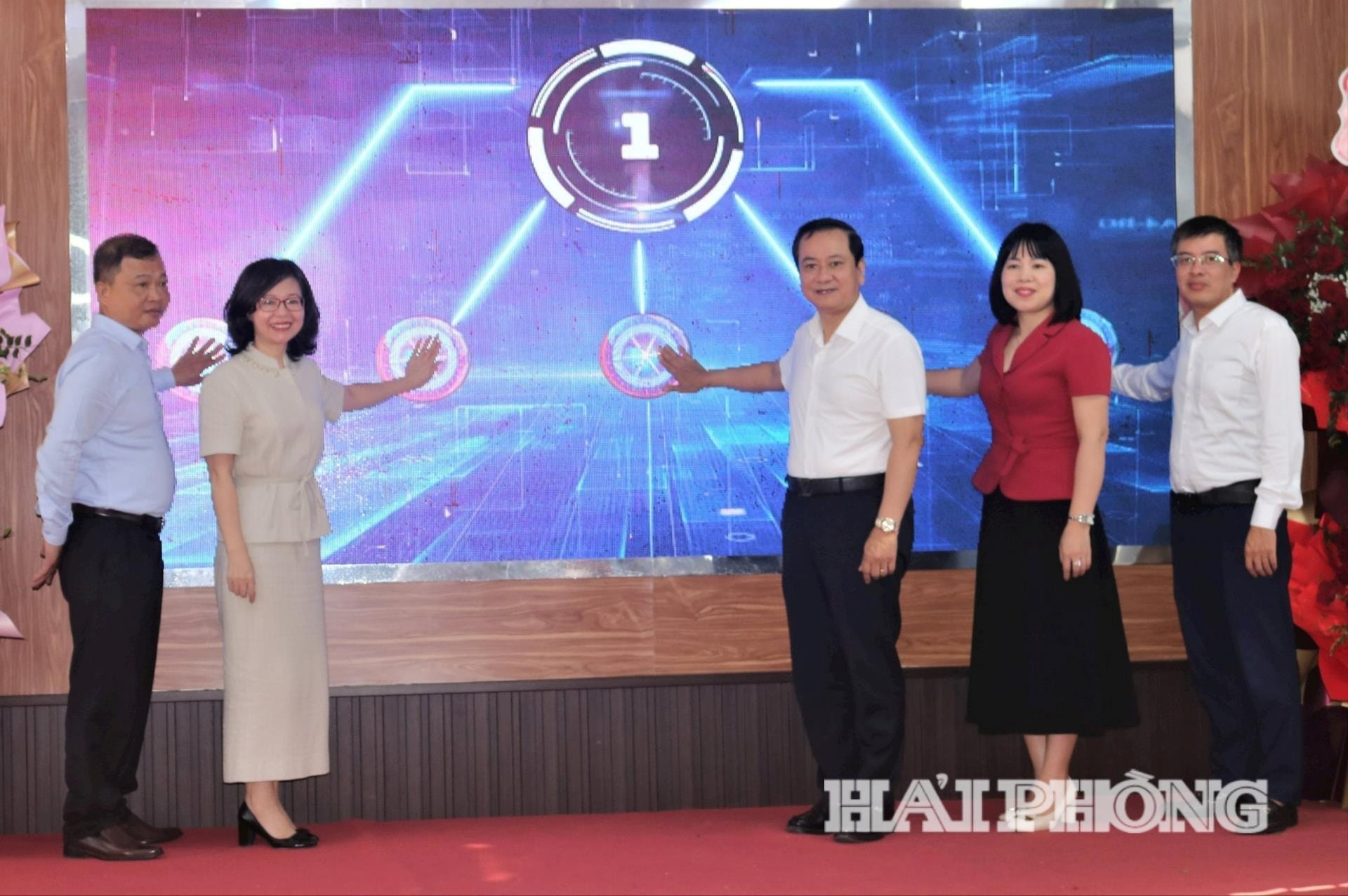
The election of deputies to the 16th National Assembly and People’s Councils at all levels for the 2026–2031 term has just concluded in a solemn and democratic atmosphere. Approximately 3.1 million voters in Hai Phong City directly exercised their rights and civic responsibilities at polling stations across the city.
Along with the joy of millions of voters fulfilling their sacred right and responsibility to choose representatives who reflect the will and aspirations of the people in state power bodies, this year’s election took place in a new context with many requirements different from previous ones.
Since July 2025, following the merger of Hai Phong and Hai Duong and the implementation of a two-tier local government model, the newly expanded Hai Phong now consists of 114 communes, wards, and special zones with a population of more than 4.6 million people. A city with a large population scale, rapid industrial development, and frequent population mobility like Hai Phong means that the workload for organizing the election has increased significantly. In this context, digital transformation is no longer just a trend but a practical solution to help the election process operate in a more scientific and efficient manner.
One of the most visible benefits is improved data accuracy. With hundreds of thousands of workers employed in industrial and constant population movement, traditional management methods can hardly meet the requirements. When voter lists are connected to the National Population Database, many stages of verification and cross-checking can be carried out quickly, reducing errors and duplication.
Beyond improving data clarity, digital technology also helps ease the workload at the grassroots level. Election management software, candidate dossier management systems, and digital maps of electoral units allow many procedures to be standardized, making information updates and data aggregation faster and more convenient. As a result, local officials can devote more time to organizing activities that directly serve voters in their communities.
Digital transformation has also opened up new approaches to information dissemination and public communication. In addition to traditional methods such as loudspeaker systems, banners, and posters, online platforms are becoming effective channels for spreading information. Short videos, visual infographics, online news updates, and hybrid voter meetings—combining in-person and online formats—help election-related information reach citizens more quickly and conveniently, especially younger voters.
From a broader perspective, the experience of this election shows that digital transformation is gradually becoming integrated into political and social activities that were once considered highly “traditional.” Technology does not replace the role of people, but it helps organize work in a more systematic, transparent, and modern way.
Any change requires time for adaptation. In some places, the use of new software has initially caused minor difficulties; updating data amid administrative restructuring and population changes has also posed new challenges. However, through this process, many practical experiences have been accumulated—from professional training for election teams to the operation of data systems and ensuring information security.
These experiences will not only be valuable for the recent election. As data platforms are gradually established and grassroots officials become more familiar with technology, these systems can continue to prove useful in many major activities of the city—from population management to organizing political events and delivering public services.
Election day is a festival of democracy for the people, where each voter exercises their right to participate in governance through a ballot. And behind every familiar ballot, a more modern organizational system is gradually taking shape. Digital transformation does not change the essence of this democratic celebration, but it helps ensure that it is better prepared, more efficiently organized, and better suited to the pace of life in the digital era.
Hai Hau