

Free Trade Zones strengthen Vietnam’s position in global value chains
The pilot implementation of the Free Trade Zone model in major economic centers is expected to address logistics bottlenecks and create new momentum for sustainable growth.
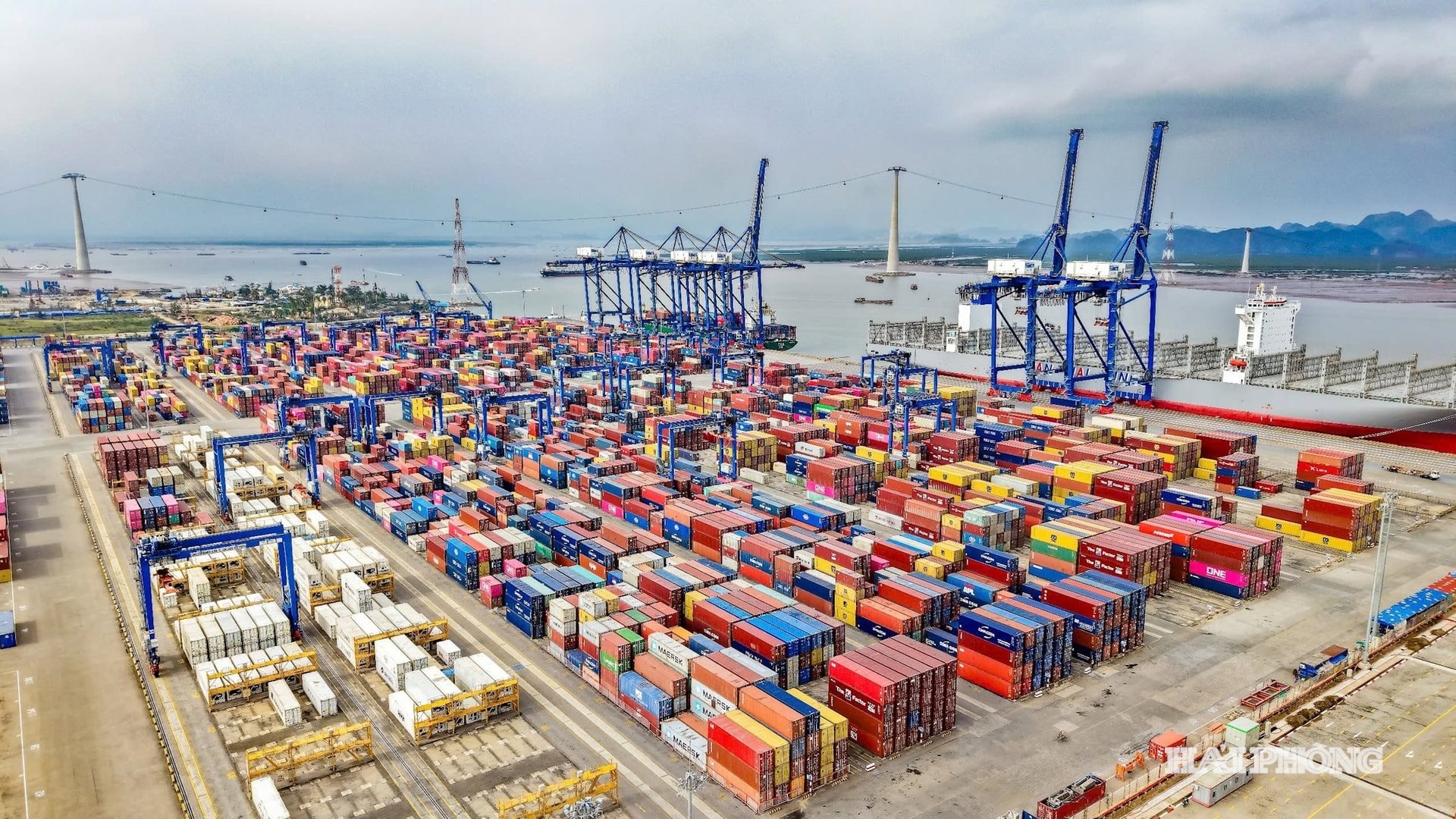
After many years of economic integration, Vietnam’s economy has made significant progress in terms of trade scale. From a long-standing trade deficit position, the country’s trade balance has shifted to a stable surplus. Import–export turnover has grown strongly, maintaining a high level of economic openness, with total trade value in many consecutive years equivalent to more than 150% of GDP. According to analysis from VNDirect Securities Corporation, this indicates that Vietnam is becoming increasingly integrated into global trade networks.
However, the depth of participation by domestic enterprises in global value chains has not kept pace with the expansion in scale. The foreign direct investment (FDI) sector currently contributes about 70% of total export turnover, but value added remains concentrated in processing and assembly stages, with a localization rate of only around 40%. Only about one-sixth of domestic enterprises have direct linkages with international production chains.
In a context where growth driven by scale is gradually narrowing, the implementation of the Free Trade Zone (FTZ) model is viewed as a strategic upgrade. Unlike traditional incentive policies, FTZs aim to create economic spaces with distinctive operating mechanisms. Within these zones, goods can be stored, sorted, processed, or re-exported with simplified customs procedures and faster processing times.
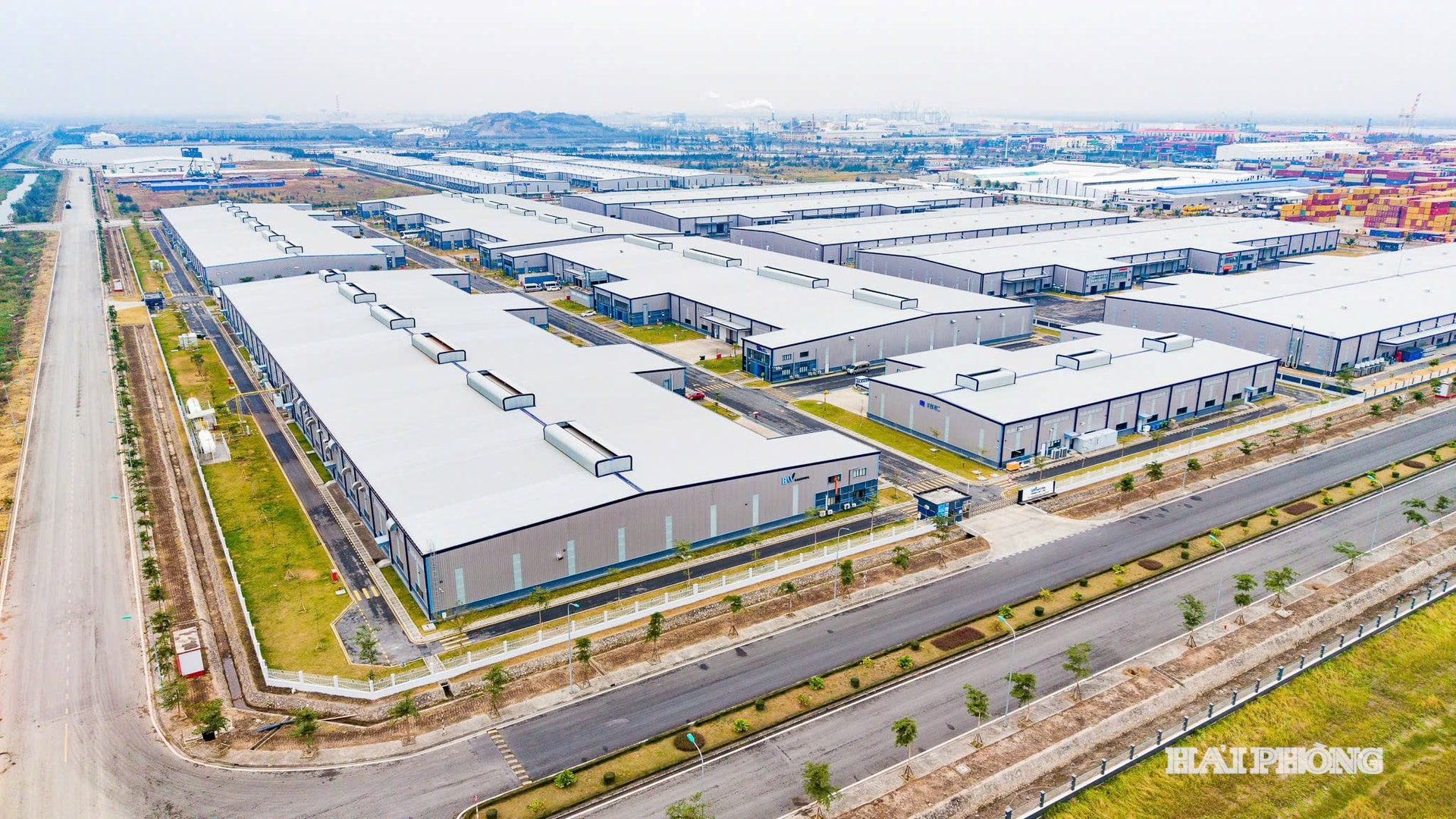
According to experts from VNDirect, Vietnam currently lacks a sufficiently large integrated model to reduce “institutional friction,” which keeps logistics costs relatively high at around 16–17% of GDP. The Free Trade Zone (FTZ) model is expected to address three major bottlenecks: complex administrative procedures, fragmented logistics infrastructure, and the absence of large-scale coordination hubs.
The year 2026 marks an important milestone as Vietnam begins piloting FTZs in Hai Phong, Da Nang, and Ho Chi Minh City. Each locality will play a distinct role. Da Nang will test a model that combines logistics with digital technology. Hai Phong will serve as the northern gateway connected to East Asian supply chains. Meanwhile, Ho Chi Minh City aims to coordinate the flow of goods and capital, aligned with its strategy to become an international financial center.
Looking ahead to 2045, Vietnam could establish 8–10 international-scale free trade zones, contributing approximately 15–20% of GDP. According to CBRE, the development of these zones will strongly stimulate the industrial real estate market. Areas around Long Thanh International Airport and the southern part of Hai Phong are expected to become major industrial hubs.
Data show that by mid-2026, northern Vietnam is projected to add hundreds of hectares of industrial land and thousands of square meters of ready-built factories. In the south, demand for warehouses is being driven by e-commerce and logistics, while the electronics industry continues to play a leading role in the north.
Hai Phong News