

Hai Phong targets a 10–15% reduction in greenhouse gas emissions from crop cultivation by 2035
Hai Phong aims that by 2035, the crop cultivation sector will contribute to reducing total greenhouse gas (CO₂) emissions by at least 10–15% compared with 2020 levels, while implementing at least one to two low-emission crop production models that can be replicated on a wider scale.
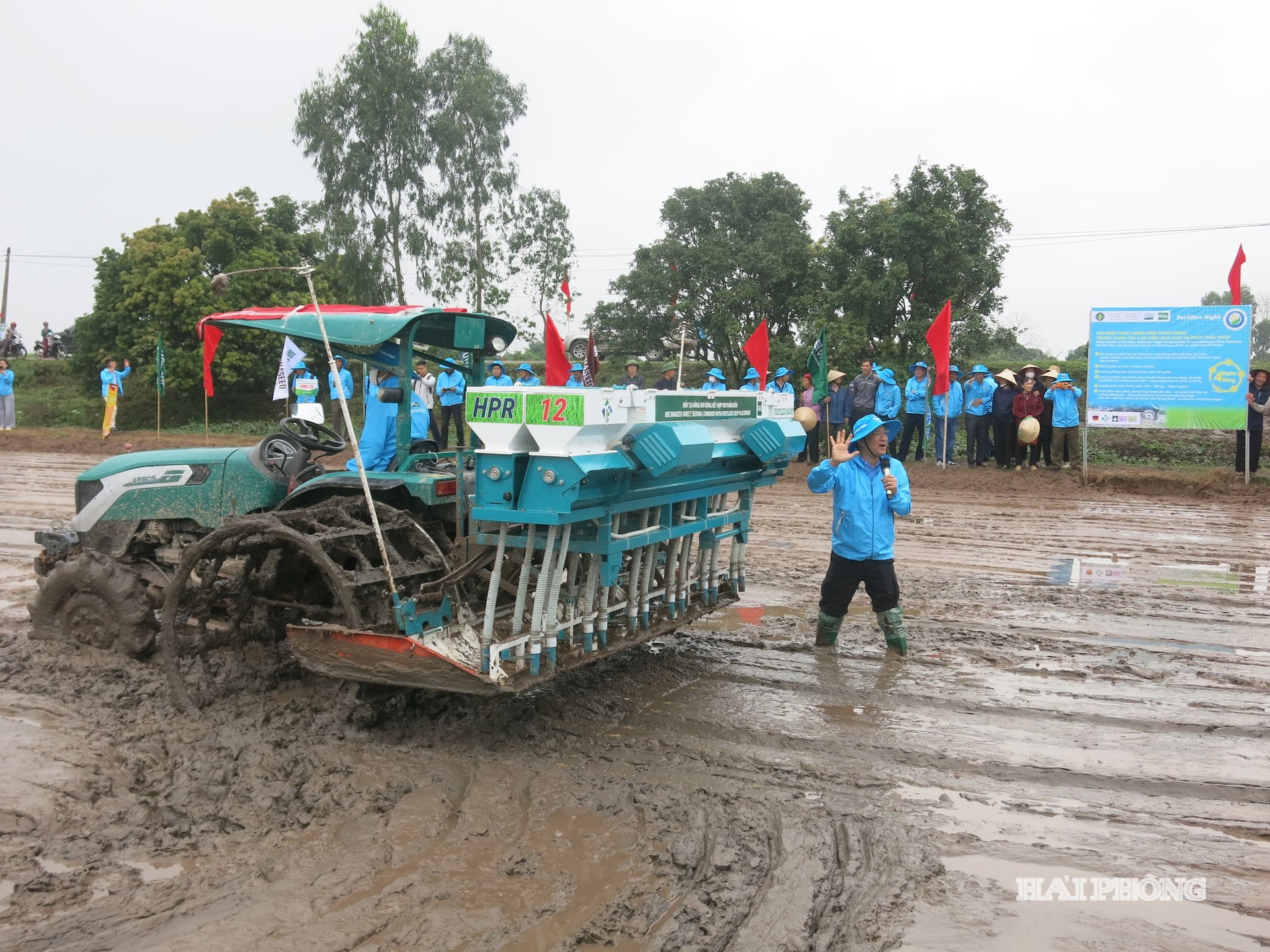
According to the implementation plan for the project “Low-emission crop production for the 2025–2035 period, with a vision to 2050” in Hai Phong, the city aims that by 2035 the crop cultivation sector will contribute to reducing total greenhouse gas (CO₂) emissions by at least 10–15% compared to 2020.
The city also plans to develop and promote a “Low Emissions” label for its key crop products. In addition, at least one to two low-emission crop production models with potential for wider replication will be implemented. Pilot farming models capable of generating carbon credits that meet international standards will also be developed.
At the same time, a database on greenhouse gas emissions in crop production will be established and integrated with the national registration system.
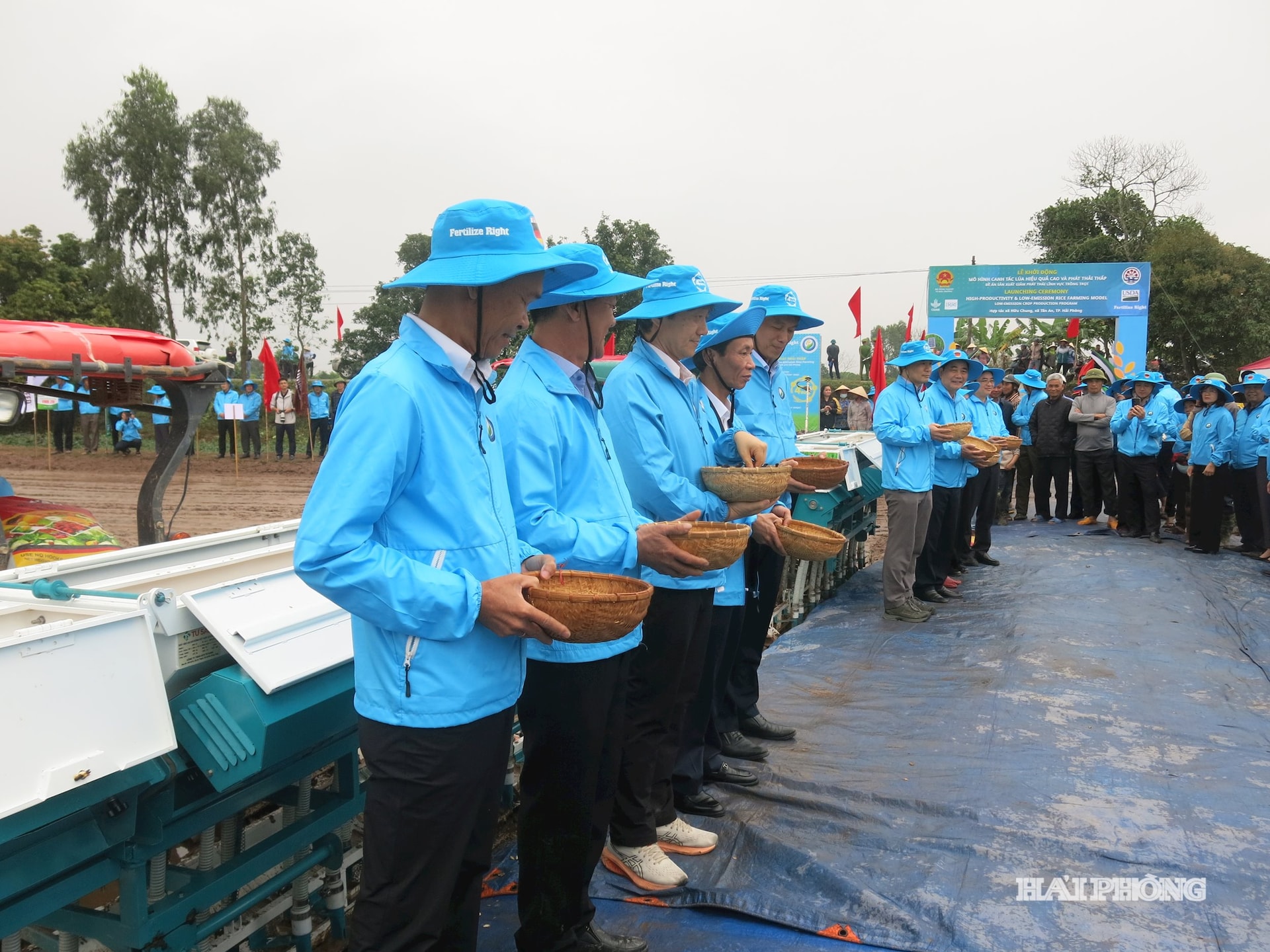
By 2030, the crop cultivation sector in Hai Phong is expected to develop in a low-emission direction. The city aims for 100% of major crop areas in concentrated production zones to apply sustainable cultivation techniques.
At the same time, a digital database on greenhouse gas emissions in crop production will be established and integrated with the national monitoring system. A “Low Emissions” label will also be developed and widely applied to key agricultural product sectors.
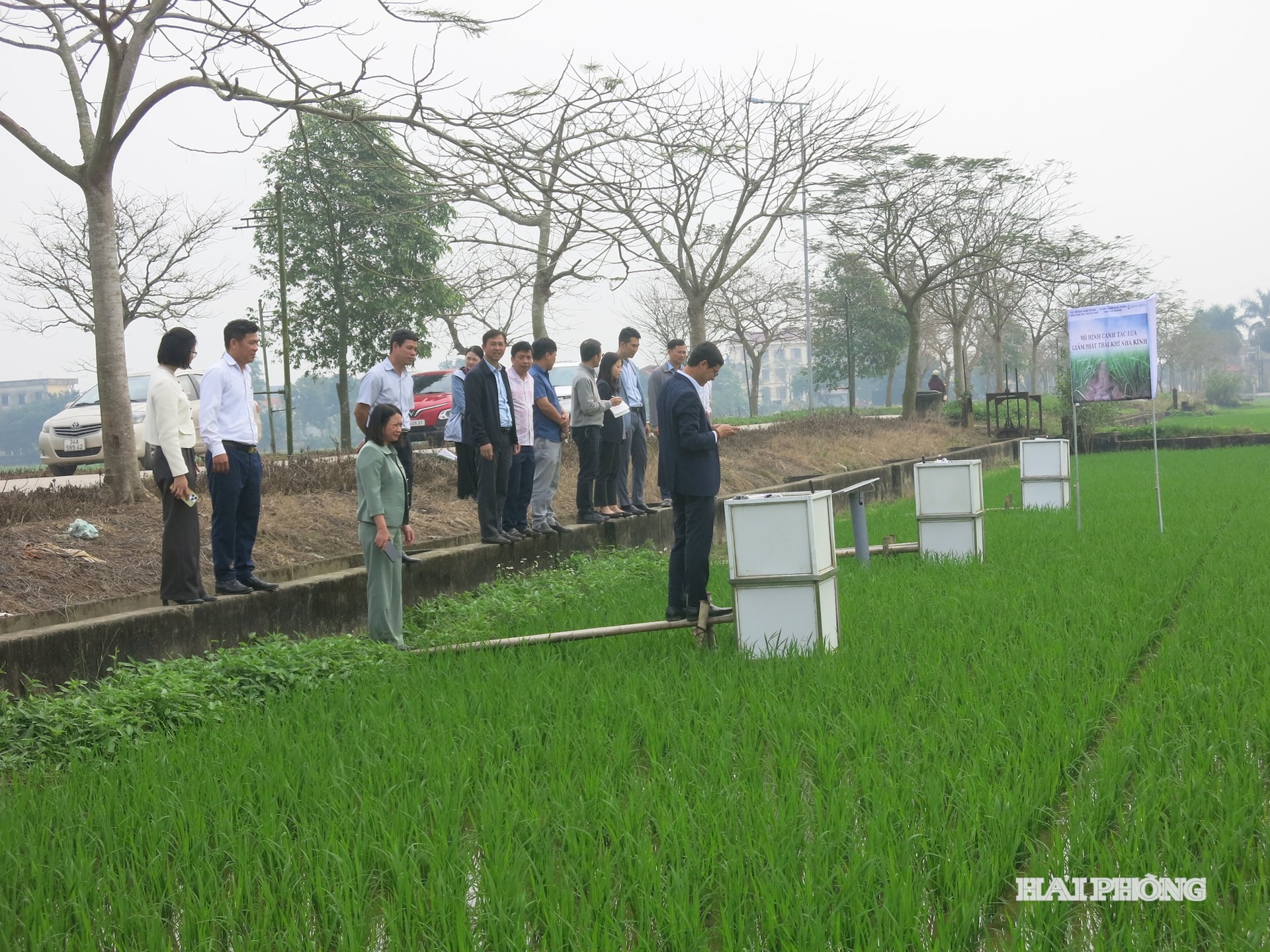
Since 2025, Hai Phong has implemented low-emission rice cultivation models on 3,960 hectares across eight communes. In the 2025 spring crop, the area applying this model was further expanded to more than 1,075 hectares.
Technologies used to reduce emissions mainly include alternate wetting and drying irrigation, proper fertilizer application, circular agricultural practices, and synchronized mechanization from sowing and transplanting to harvesting.
These low-emission rice production models have reduced greenhouse gas emissions by about 19,102 tons of CO₂, while cutting irrigation pumping costs by VND 300,000–500,000 per hectare per crop. Farmers’ profits have also increased by 3–5% compared with traditional farming methods.
Ho Huong