
Village festivals keep traditions alive in Hai Phong
As modern life reshapes Vietnam’s cities and countryside, traditional village festivals in Hai Phong are still drawing crowds each spring, keeping centuries-old customs alive and reinforcing community ties.
Tightening community bonds
For many Vietnamese, spring is not only the start of a new year but also the peak season for festivals rooted in local beliefs and traditions.
Many of these celebrations revolve around the worship of village tutelary gods. Rituals such as processions, offerings and incense ceremonies allow residents to honor their ancestors while praying for peace, prosperity and bumper harvests.
At the Bach Hao Pagoda festival in Thanh Ha commune, the solemn atmosphere of early spring worship remains largely unchanged. The pagoda, believed to date back to the Ly Dynasty, is dedicated to the Buddha and King Tran Nhan Tong and has been listed as a national heritage site since 1993.
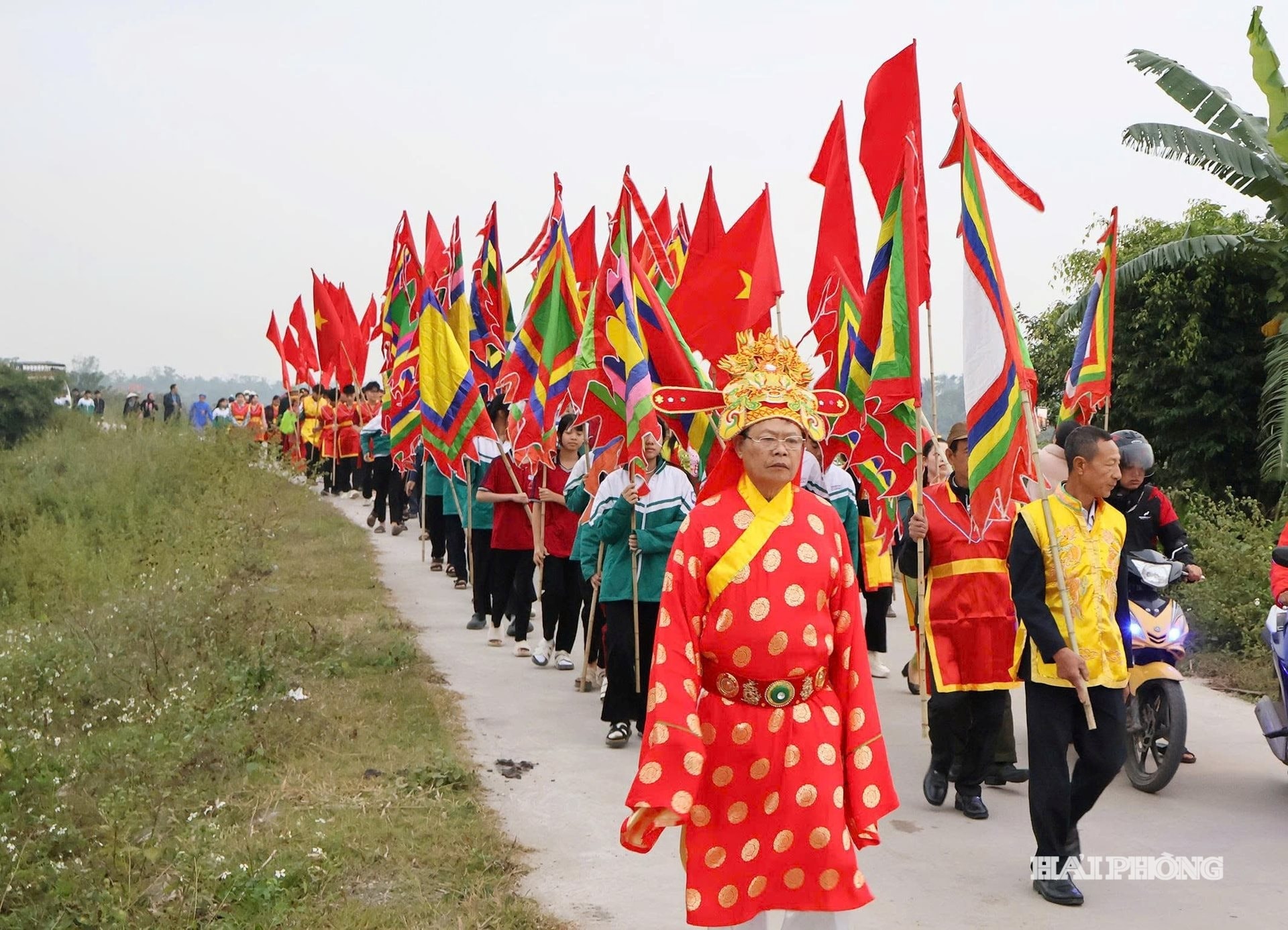
The two-day festival features traditional rites including royal decree processions, incense offerings and a range of folk games.
A similar scene unfolds at the Phu Cuu communal house festival in Hong Chau commune, where drumbeats and lion dances accompany a colorful procession honoring the village’s tutelary deity. Ceremonial flags, parasols and palanquins recreate the imagery of traditional village life.
But the celebrations are no longer limited to rituals. Local authorities have introduced a variety of community activities such as volleyball tournaments, cultural performances and Chinese chess competitions.
Le Tien Dat, head of the Culture and Social Affairs Office in Hong Chau Commune, said the festival now runs for one and a half days to give residents more time to enjoy the Lunar New Year festivities, a change reflecting modern lifestyles while keeping tradition alive.
Traditions adapted for modern times
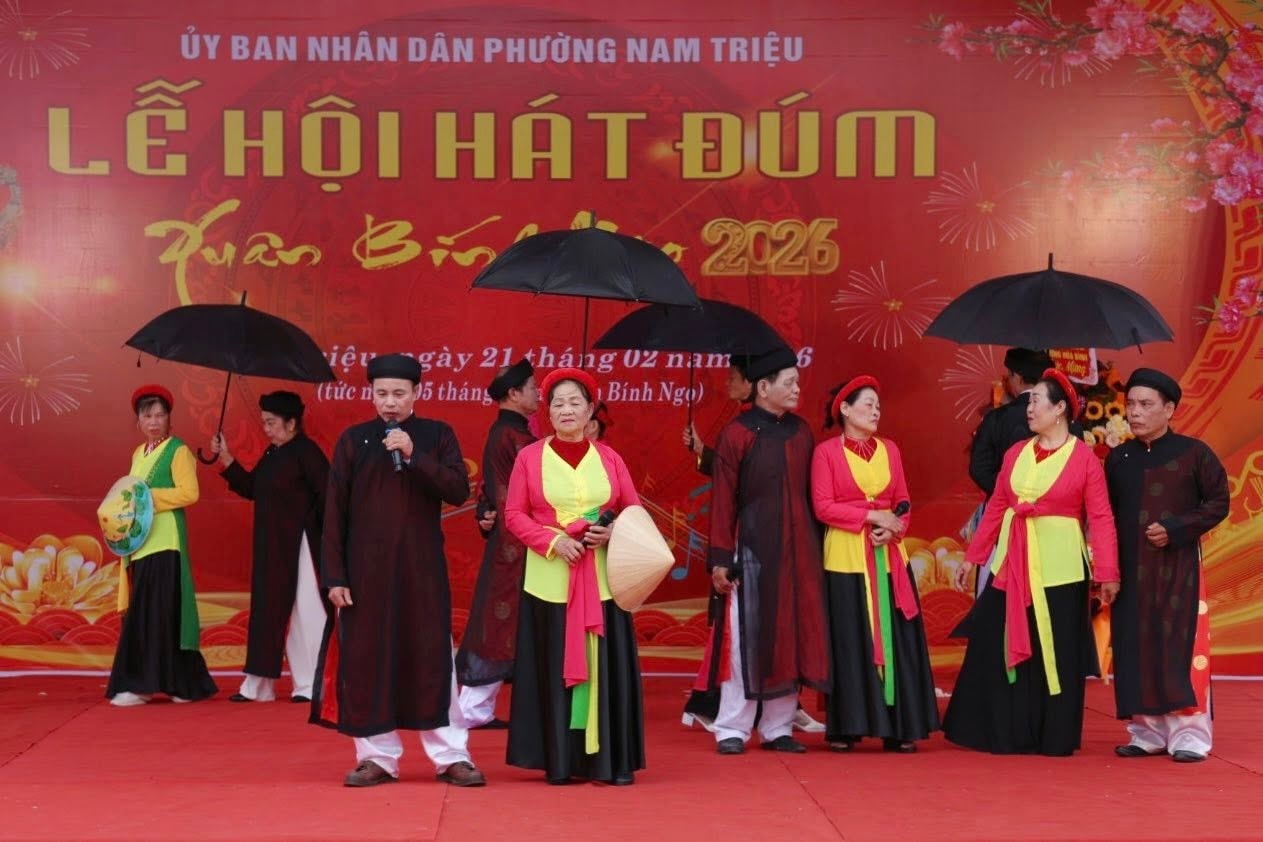
One of the typical examples of the village festivals is the Dum singing festival in the former Phuc area, now part of Nam Trieu ward.
From the second to the fifth day of the Lunar New Year, the area is enlivened with songs between men and women, a form of folk singing associated with coastal communities in northern Vietnam.
Following recent administrative restructuring, several localities in the former Phuc area were merged into Nam Trieu ward, making it easier for authorities and residents to preserve the shared cultural heritage.
Nguyen Hong Khoa, head of the ward’s Culture and Social Affairs Office, said this year’s festival has helped spread local cultural identity more widely thanks to the joint efforts of officials and residents.
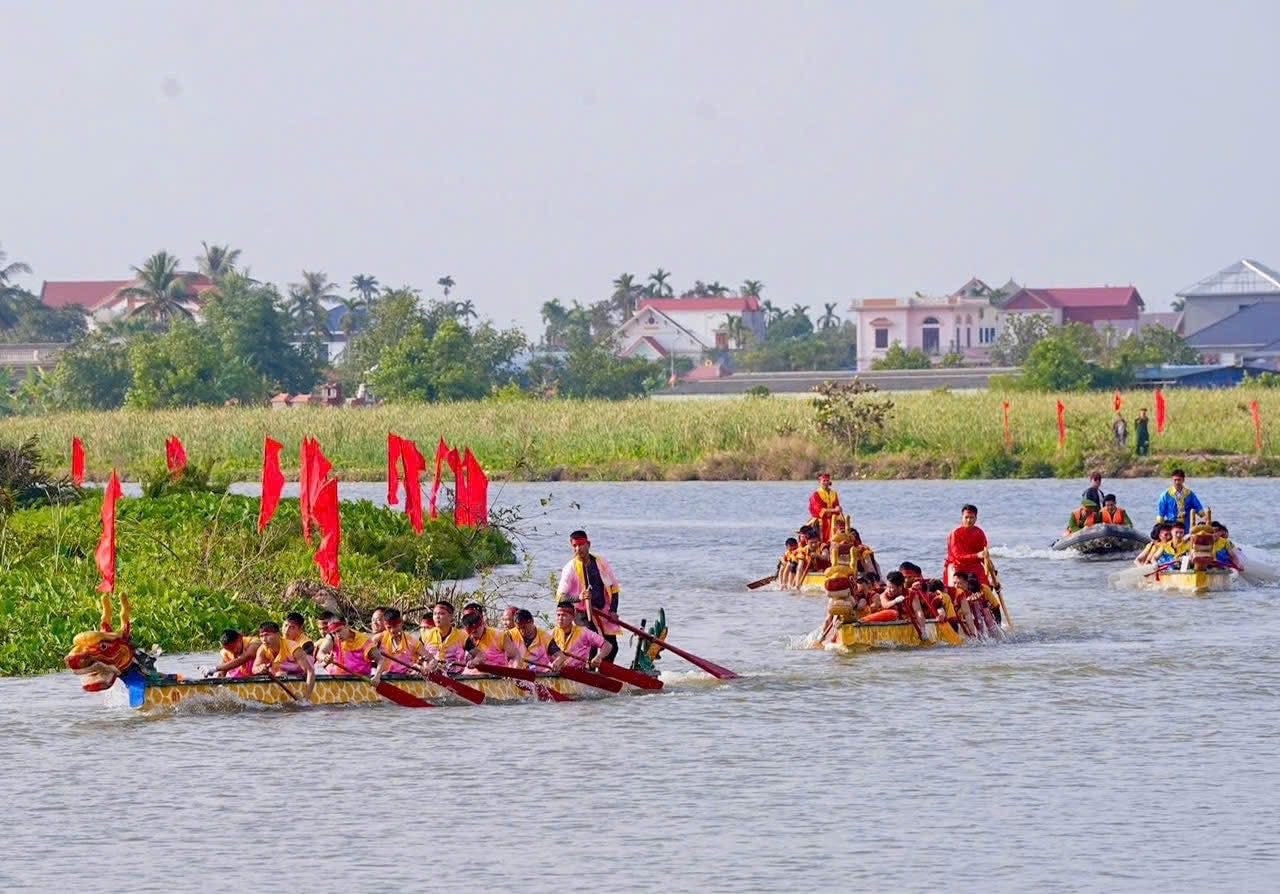
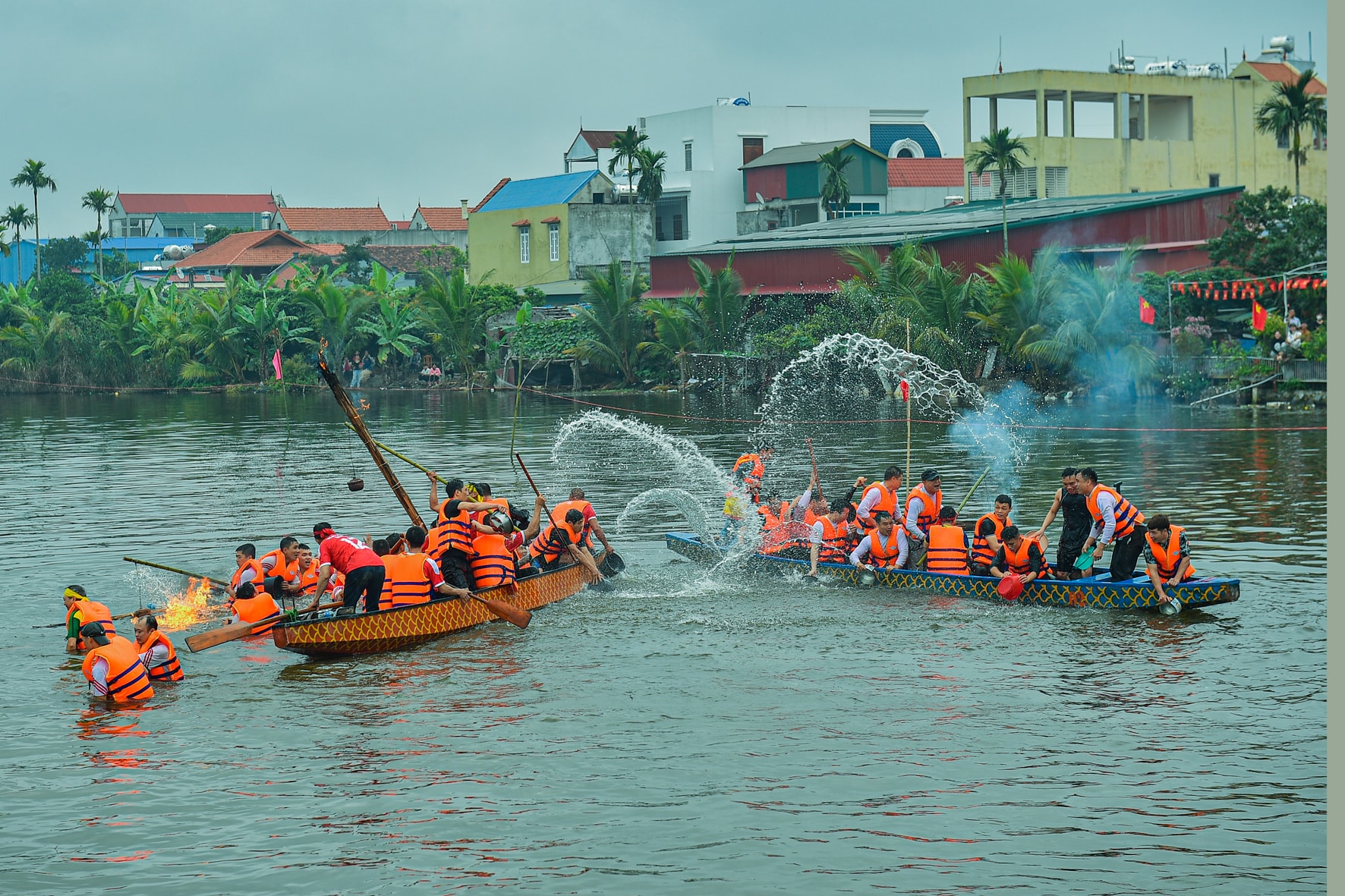
Elsewhere, An Phong ward has turned the Ngo Duong temple boat-racing festival into a cultural and tourism highlight. The event commemorates Hoang Do Cu Si, a general linked to the uprising of the Trung Sisters, while also serving as a lively sporting event.
Organizers this year introduced traditional racing boats made from lightweight composite materials. Despite the modern construction, the boats retain their dragon-shaped design inspired by Vietnamese folk culture.
Other activities, including Quan Ho folk singing on the river, boat-racing contests and cultural exchanges, have added to the festive atmosphere and drawn visitors from surrounding areas.
Even as society evolves, the core values behind village festivals, community spirit, respect for ancestors and pride in local heritage, continue to bring generations together.
Hai Phong News