

Data standardization for a transparent real estate market
Starting in March, real estate properties nationwide will be assigned electronic identification codes. Amid an abundant supply, Hai Phong needs to promptly standardize its data to ensure transparency and strengthen effective oversight of this sector.
Under Decree No. 357/2025, from March 1, 2026, every real estate property nationwide will be issued a unique electronic identification code. This is not merely an administrative change, but a shift in how the real estate market is managed toward greater openness and transparency.
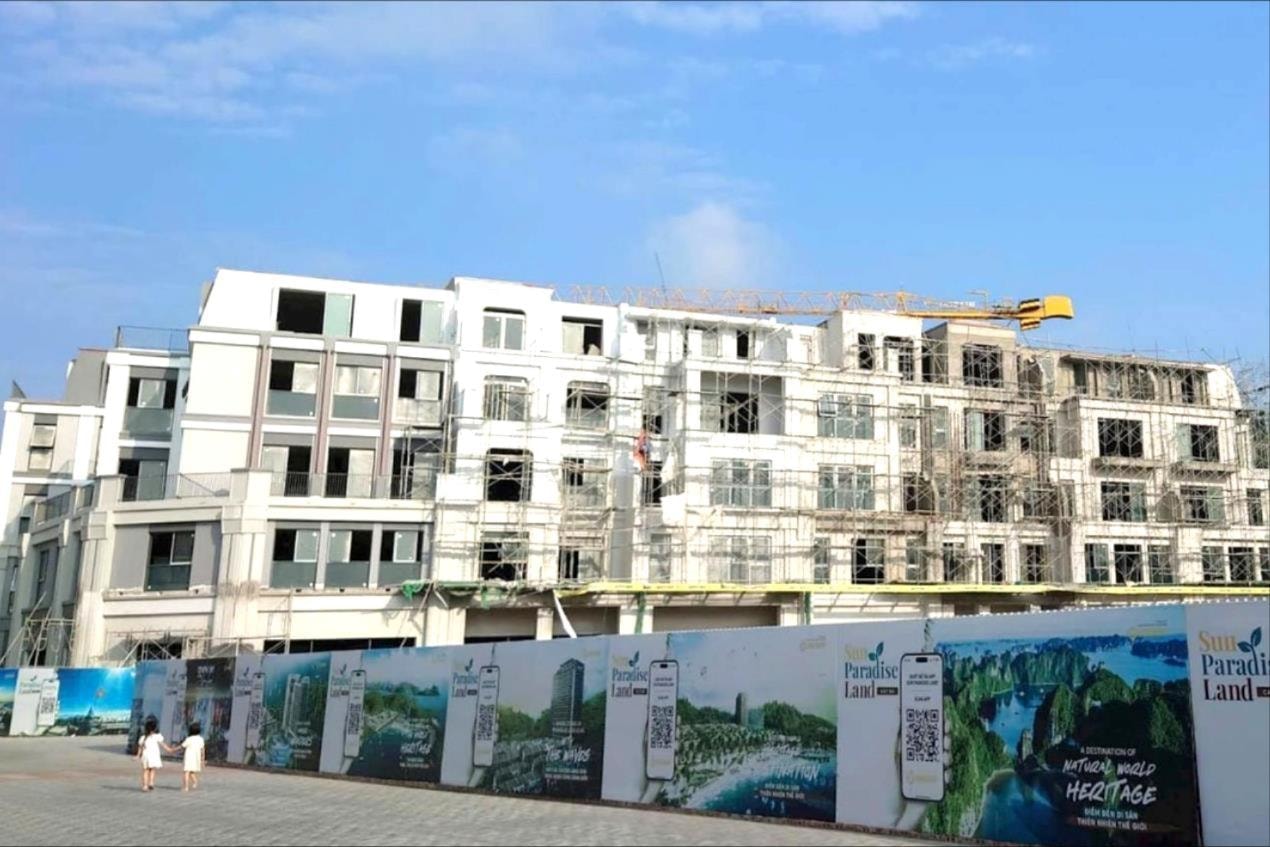
Hai Phong is currently implementing 146 commercial housing projects, comprising approximately 27,000 apartment units and 61,000 individual houses. In 2026 alone, about 6,700 units are expected to be completed. With such a substantial supply, standardizing and regularly updating data for each project and each product is an urgent requirement that cannot be delayed.
International experience shows that data transparency is a prerequisite for buyer confidence. In countries such as Japan, Singapore, and South Korea, real estate records are centrally managed and publicly accessible. Buyers can review transaction histories, legal status, and related information before making decisions. Regulations in these markets also require brokers to proactively disclose adverse information. Failure to do so may result in license revocation and severe penalties.
It is clear that implementing a “property ID” system is not only about simplifying procedures but also about strengthening market oversight. When each land parcel and housing unit is assigned an identification code from the time of its formation through transfer, authorities will have a basis to verify eligibility for trading, monitor primary and secondary transactions, control inventory, and track price fluctuations. This provides a more practical foundation for market regulation, especially as the city expands its urban space and accelerates the development of industrial parks and economic zones.
Hai Phong’s real estate market has previously experienced localized price surges. Without management tools based on standardized data, the risk of speculative bubbles, price manipulation, and rumor-driven investment could re-emerge. Comprehensive implementation of identification codes will help reduce information asymmetry between buyers and sellers, thereby mitigating risks, artificial price hikes, and speculation.
However, implementing real estate identification codes from March 1 presents significant challenges. The first concern is the quality of input data. If land records, project legal documents, and transaction histories are not thoroughly reviewed, errors in issuing identification codes may occur. Even minor inaccuracies could have consequences for taxation, credit, and property transfers, directly affecting citizens’ rights and interests.
Another challenge lies in local implementation capacity. Although the system will be built on a nationwide unified framework, data collection, updating, and utilization will be handled by local authorities. If each sector maintains its own separate “data silo” with only superficial information sharing, fragmented connectivity and inconsistencies will be difficult to avoid.
Data security must also be treated on par with transparency requirements. As comprehensive information about properties and owners is digitized, strict access control and strong safeguards against data breaches and cyberattacks are essential.
An additional requirement is a clear correction and complaint mechanism. If errors occur, citizens must have convenient channels for feedback, clearly defined processing timelines, and accountable authorities. Data-driven reform will struggle to succeed if people must undergo complicated procedures to correct mistakes that are not of their making.
When the real estate “ID card” system operates substantively, homebuyers will be able to rely on verified data rather than rumors. Developers will be compelled to comply fully with legal requirements before bringing products to market. Regulators will have more precise tools for market management. This is the foundation for stable development, free from short-term speculative surges. Conversely, if implementation is partial and inconsistent, identification codes will merely represent a superficial layer of digitalization covering existing shortcomings. Real estate is a major asset for many families; therefore, transparency must be proven through accurate data and rigorous enforcement, not merely through written commitments.
Hai Minh