
Coastal OCOP specialties in spring season
As spring arrives, production facilities in the coastal localities of Hai Phong begin entering a new production season. Many coastal OCOP specialties are expanding their markets and strengthening their brand presence.
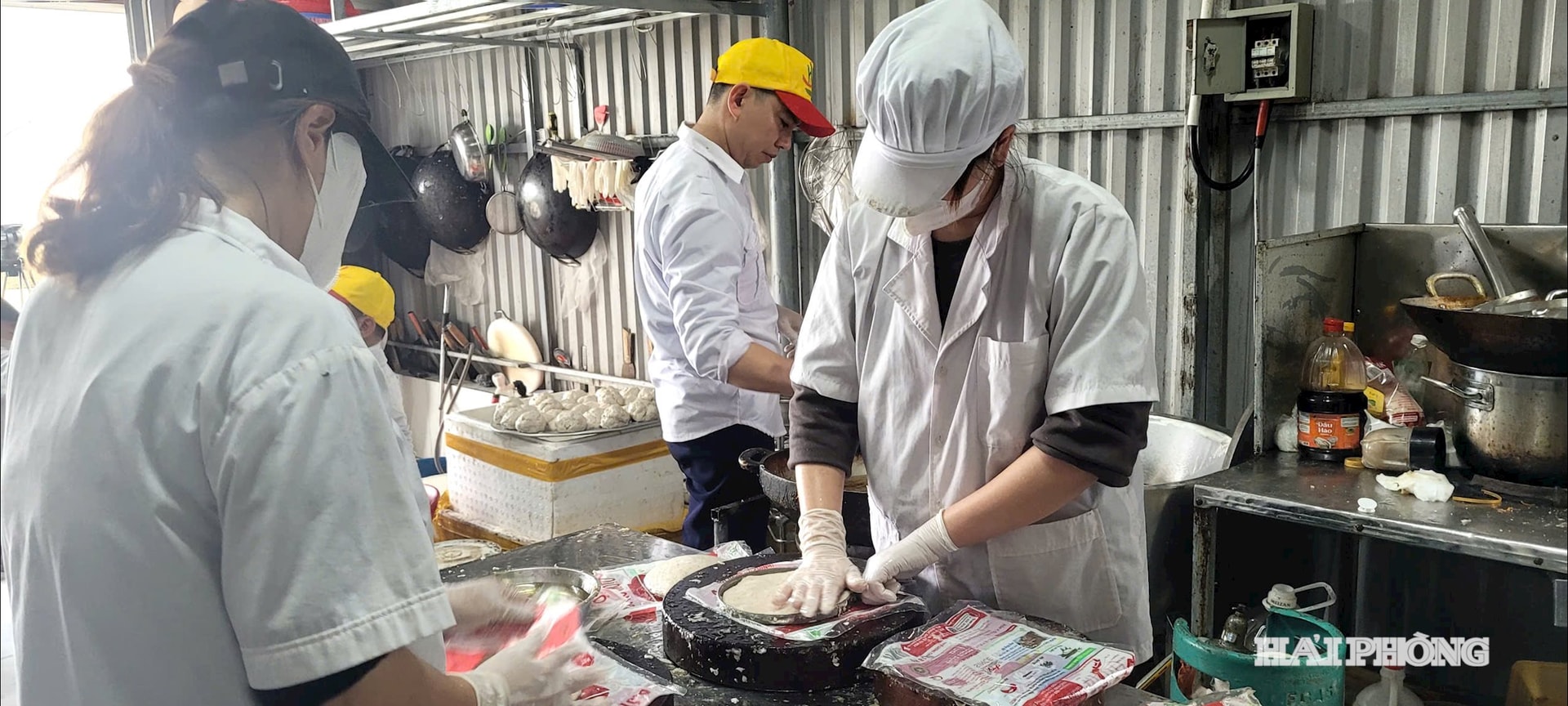
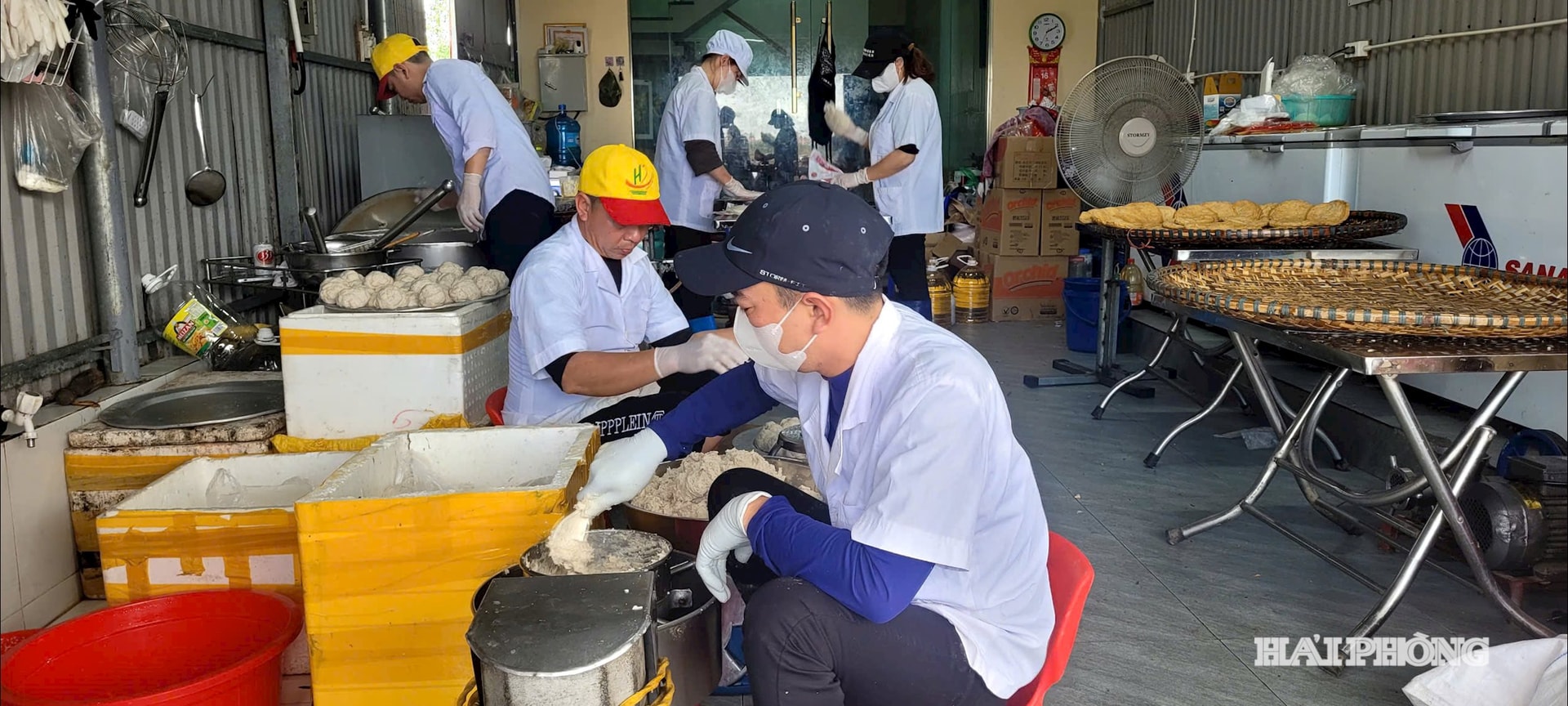
In the early days of spring, the An Khanh fish cake facility in Kien Hai commune is bustling with the sound of grinders at work. Making the most of its coastal advantages, the facility currently focuses on key product lines such as Spanish mackerel fish cake and barracuda fish cake, with the Spanish mackerel fish cake having achieved OCOP certification.
According to Mr. Pham Gia Manh, the owner of the facility, following the restructuring and merger of administrative units, market demand has surged significantly. Although the facility proactively prepared raw materials from early in the twelfth lunar month last year, production output has still fallen short of market demand due to strong customer trust in products made from natural seafood.
With support from local authorities, the products have been standardized under the OCOP process and promotion efforts have been strengthened. During peak periods, the facility produces 200–300 kilograms of fish cake per day, yet it still struggles to fulfill all orders.
At present, the biggest challenge is the seasonal dependence of raw fish supplies and the high cost of investing in cold storage facilities. Therefore, to sustain, expand, and improve the quality of coastal specialties, the facility hopes to continue receiving financial support, expand its production space, and better control input materials to enhance competitiveness and gradually penetrate modern distribution channels.
If fish cake is considered the “flavor of the sea,” then mangrove forest honey is a springtime specialty of the coastal ecosystem. At this time of year, many blossoms such as jujube flowers and ixora flowers begin to bloom, providing an abundant nectar source for beekeeping.
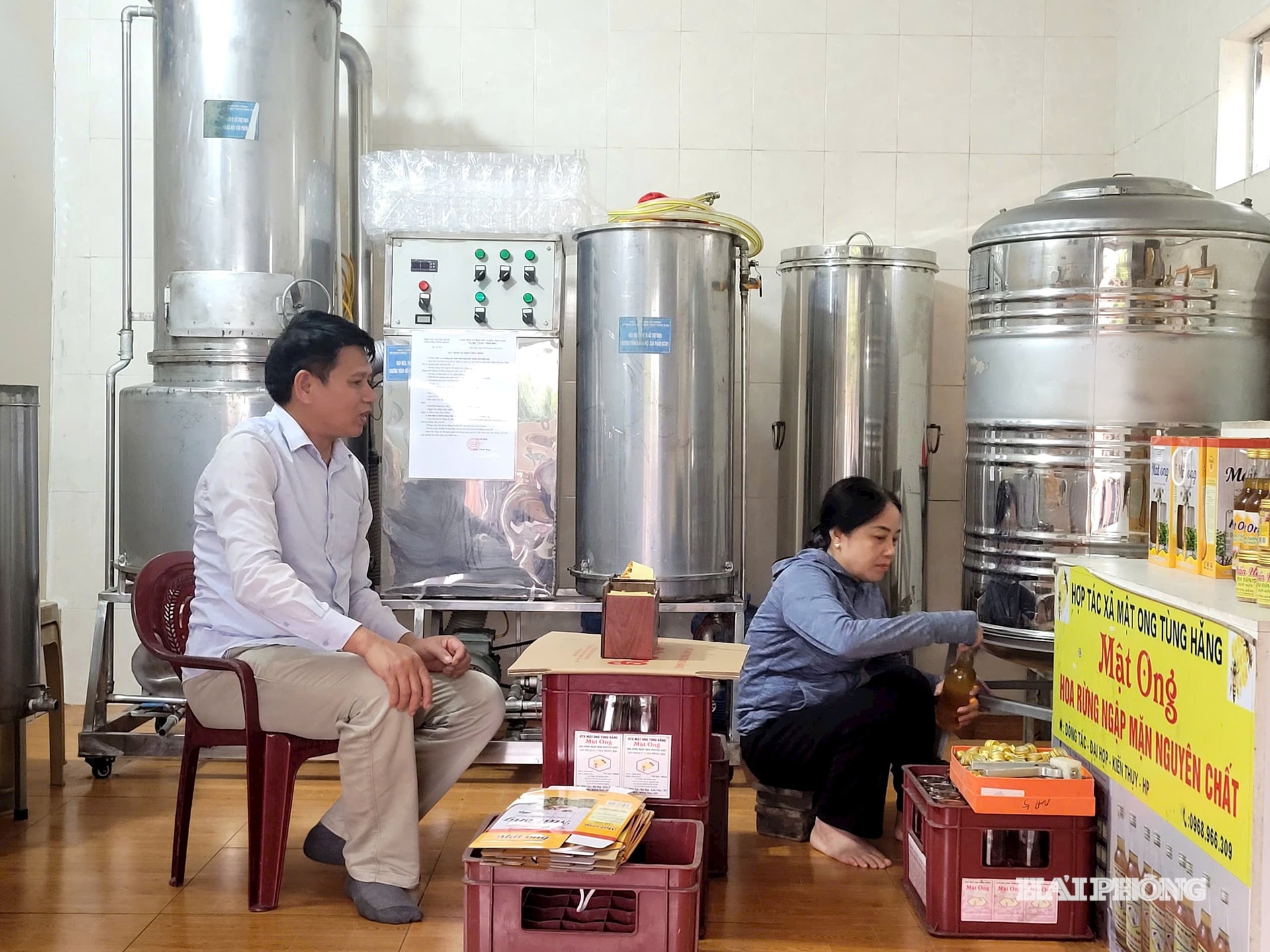
At Tung Hang Honey Cooperative, production activities are in full swing.
According to Mr. Dang Thanh Tung, Director of the Cooperative, the unit is launching a new production season. After periods of heavy rain and storms, the Cooperative quickly restored operations and now maintains more than 1,500 bee colonies. A key advantage of honey from mangrove forests is its clean, natural floral sources, which are largely unaffected by pesticides, resulting in stable quality and mineral-rich honey.
The beekeeping and hive care processes are strictly monitored and inspected. After moisture extraction and water content reduction, the honey becomes fragrant, thick, and smooth. This is also why the Cooperative’s products have earned strong consumer trust — all output is quickly sold, ensuring a steady supply for supermarket chains and commercial centers. The Cooperative is also aiming to increase output by 15 percent compared to 2025.
In addition to seafood and honey, coastal communes have developed a wide range of other OCOP products such as cordyceps mushrooms, lingzhi mushrooms, and fine art ceramics, creating a diverse product ecosystem. A notable example is Truong Sinh Cooperative (Kien Hai commune), which has invested in closed high-tech mushroom farms, supplying dozens of tons of edible and medicinal mushrooms each year. On average, the cooperative generates annual revenue of VND 500–700 million. Its products are available in many provinces and cities and are gradually entering export markets.
Meanwhile, ceramics by Meritorious Artisan Pham Van Tuyen have also become OCOP products imbued with strong cultural value. The model combining production, display, and experiential activities is attracting a large number of visitors, opening up new prospects for the development of coastal craft village tourism.
Following the reorganization of administrative units, many coastal communes now have larger areas and more favorable conditions for production. For instance, Kien Hai commune has formed a diverse economic space with over 500 hectares of agricultural land, nearly 100 hectares of rotational vegetable crops, and 362.4 hectares of freshwater and brackish aquaculture.
In livestock farming, the locality maintains nearly 9,000 pigs, 146,000 poultry, and almost 400 buffaloes and cattle, with 25 small- and medium-scale farm operations. In addition, seafood exploitation and processing remain key strengths, with dozens of fishing vessels operating regularly to supply raw materials for processing squid, shrimp, crab, jellyfish, fish sauce, and fish cake — seafood products that hold a stable position in the market.
According to Mr. Nguyen Van Quyet, Standing Vice Chairman of the People’s Committee of Kien Hai commune, the commune currently has 13 OCOP products and aims to reach around 20 by 2030. Over the past year, the commune has proactively supported OCOP producers in standardizing processes, strengthening communication and promotion, organizing trade fairs, and connecting consumption channels. As a result, products not only meet quality standards but also feature professional packaging suited to modern markets. Local residents have also received training in biosecure livestock farming techniques, contributing to disease control and improved economic efficiency.
Hai Phong currently has 855 OCOP-certified products, of which 647 remain valid. The program has helped many producers shift from small-scale production to branded commodity production, expand markets, and create sustainable employment. The city continues to enhance the competitiveness of OCOP products, striving to reach around 1,000 products rated three stars or higher by 2030.
A new spring is arriving in coastal areas, mangrove forests, and craft villages. With systematic organization and strong support from local authorities, OCOP products are steadily increasing in value, creating stable jobs, and contributing to economic restructuring in coastal localities, forming a diverse and sustainable OCOP ecosystem.
Thanh Van