

Nam Do Son charts an eco-tourism development path
Nam Do Son Ward (Hai Phong) has identified eco-tourism and community-based experiential tourism as a key direction for economic development, aiming to create a distinct local identity.
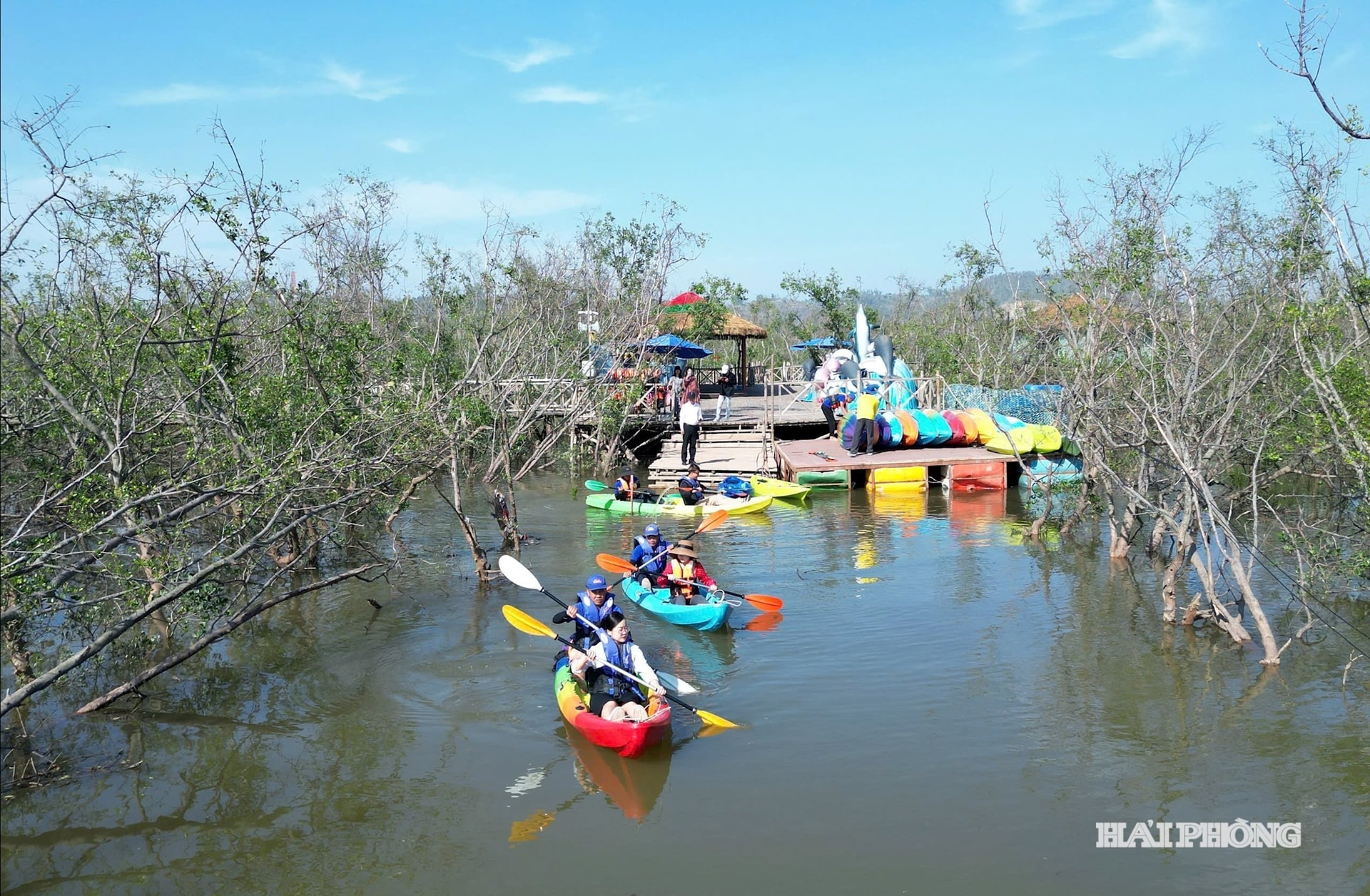
A distinctive forest - sea -river ecosystem
Amid Hai Phong’s rapid urban transformation in recent years, Nam Do Son has emerged as a “green buffer zone,” directly adjoining the Do Son tourism area, bordering the southern coastal economic zone and the future Nam Do Son Port, while still preserving a relatively intact forest–sea–river ecosystem.
The ward is home to one of Hai Phong’s most representative coastal mangrove belts, stretching across Bang La and Minh Duc areas along the sea dyke, with a total area of approximately 375 hectares. In addition, the Lach Tray River flows through Hop Duc and Minh Duc, together with an extensive network of inland canals, aquaculture ponds in Bang La, and parts of the former Van Huong area, forming an interconnected aquatic ecosystem. These conditions are highly favorable for developing inland waterway tourism, kayaking routes, mangrove forest tours and nearshore fishing experiences.
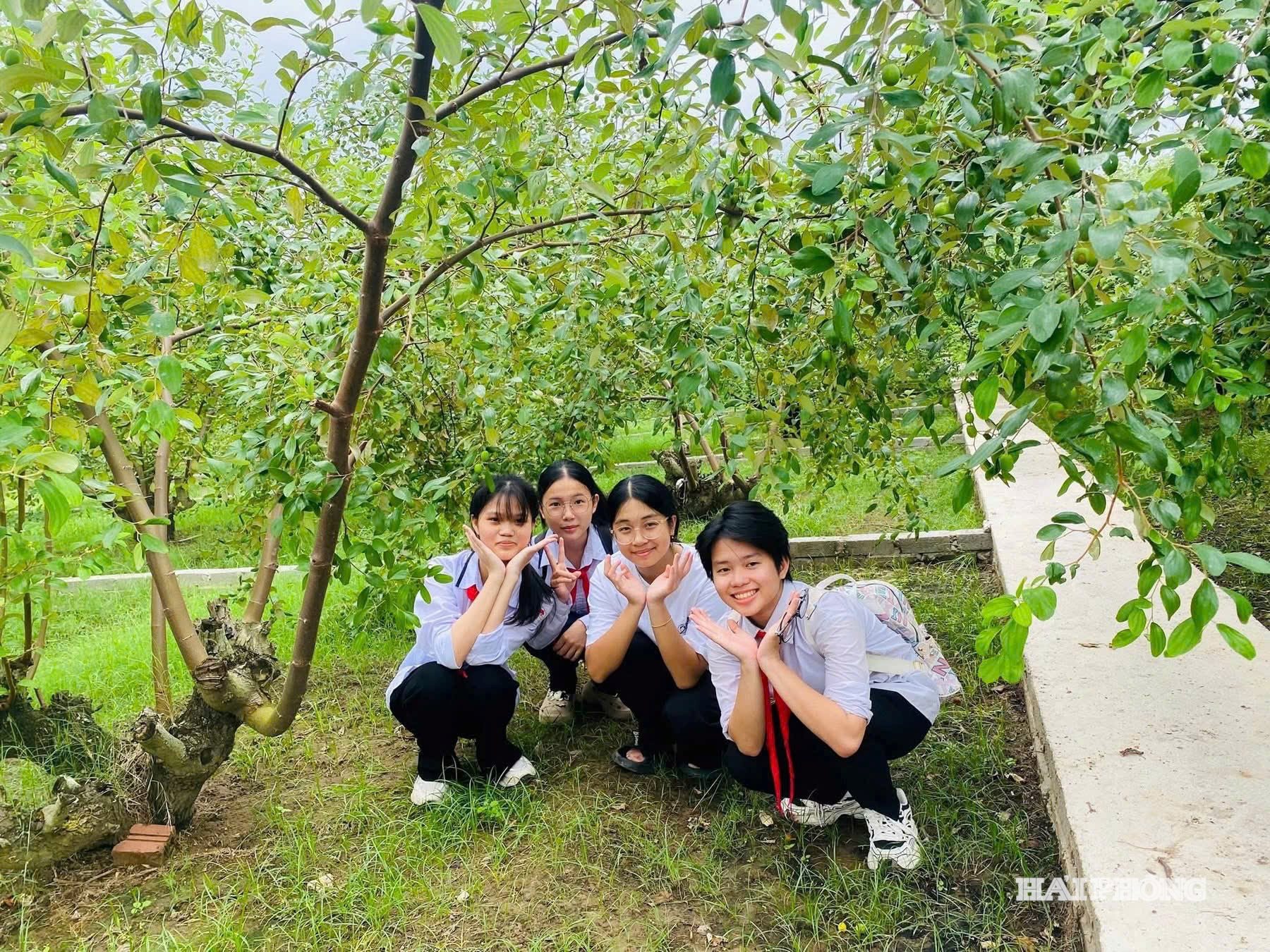
Interwoven within this ecological landscape are distinctive agricultural zones such as the Bang La Indian jujube cultivation areas, vegetable-growing areas in Minh Duc, and aquaculture farms along the sea dyke in Hop Duc. These areas have strong potential to be transformed into agricultural and experiential tourism products, closely linked with on-site consumption of local produce.
Looking ahead, Nam Do Son lies along a corridor of major strategic transport projects, including the coastal road, the An Bien–Hung Dao–Nam Do Son urban axis, Rao Bridge 3, the western ring road, and the future Lao Cai–Hanoi–Hai Phong railway. Once these projects are put into operation, travel time between Nam Do Son and central Hai Phong as well as Hanoi will be significantly reduced, paving the way for weekend eco-tourism and leisure-oriented travel.”
A green economic development orientation
At a conference reviewing the implementation of resolutions on socio-economic development and national defense and security for 2026, Chairman of the Nam Do Son Ward People’s Committee Hoang Gia Dong emphasized that building a green economic model will be a key priority for the ward in the coming period. Accordingly, a range of tourism products could be introduced step by step in line with local conditions and capacity. These include boat tours through the Bang La and Minh Duc mangrove forests; visits to Bang La Indian jujube cultivation areas, nearshore net fishing and seafood harvesting activities in Hop Duc and Minh Duc combined with introductions to traditional fishing practices; as well as eco-homestay and farmstay models.
The locality also plans to enhance the value of OCOP-certified products such as Bang La Indian jujubes, dried seafood and mangrove honey, while developing stable distribution channels. This approach is expected to create new livelihoods for local residents and generate sustainable budget revenues.
With well-structured planning, focused investment and strong community participation, Nam Do Son has the great potential to develop into a major eco-tourism and experiential tourism hub in southern Hai Phong, complementing the Do Son tourism area and serving as a key component of the ecological urban structure of the city’s Southern Coastal Economic Zone.
Hai Phong News