
Designing a new development space for Hai Phong city
The adjustment of the city’s master plan for the 2021–2030 period, with a vision to 2050, is expected to remove bottlenecks from the old model and open up a new path toward balanced and sustainable urban development.
Reorganizing urban space
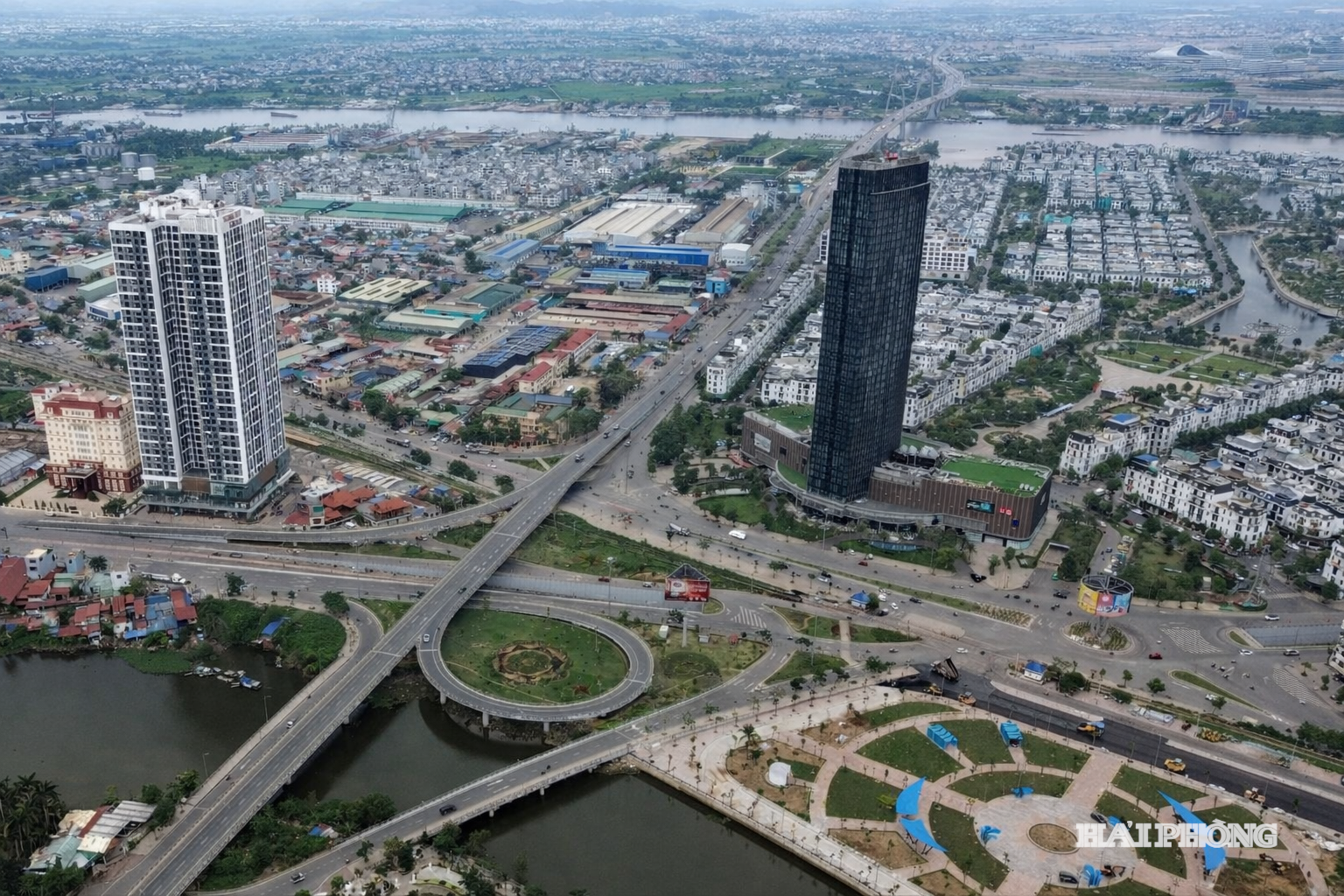
For many years, the ‘single center – single coastal corridor’ development model has played an important role in promoting the city’s economic growth. However, as the city has continued to expand, this model has gradually revealed a number of limitations. Pressure on infrastructure, transportation, and the environment has increasingly concentrated on the urban core, while many other areas with development potential lack connectivity and struggle to attract investment.
At the conference to appraise the task of the general planning of Hai Phong City to 2050, with a vision to 2075, held on January 14, the Ministry of Construction assessed that the current spatial conditions are sufficient for Hai Phong to reorganize its urban, industrial, and infrastructure structure in a long-term manner, consistent with its role as a growth-driving city for the region and the country. On that basis, the adjustment of the city’s master plan for the 2021–2030 period, with a vision to 2050, was identified as necessary.
At the same time, the city is accelerating the development of planning databases and the application of digital technology in management. Transparent and publicly accessible planning enables citizens and businesses to easily access information, while supporting authorities in improving governance effectiveness.
The new development space, therefore, is not merely an expansion of administrative boundaries, but a transformation in the way the city is organized—creating a foundation for more balanced and sustainable development in the time ahead.
Creating breakthroughs through planning
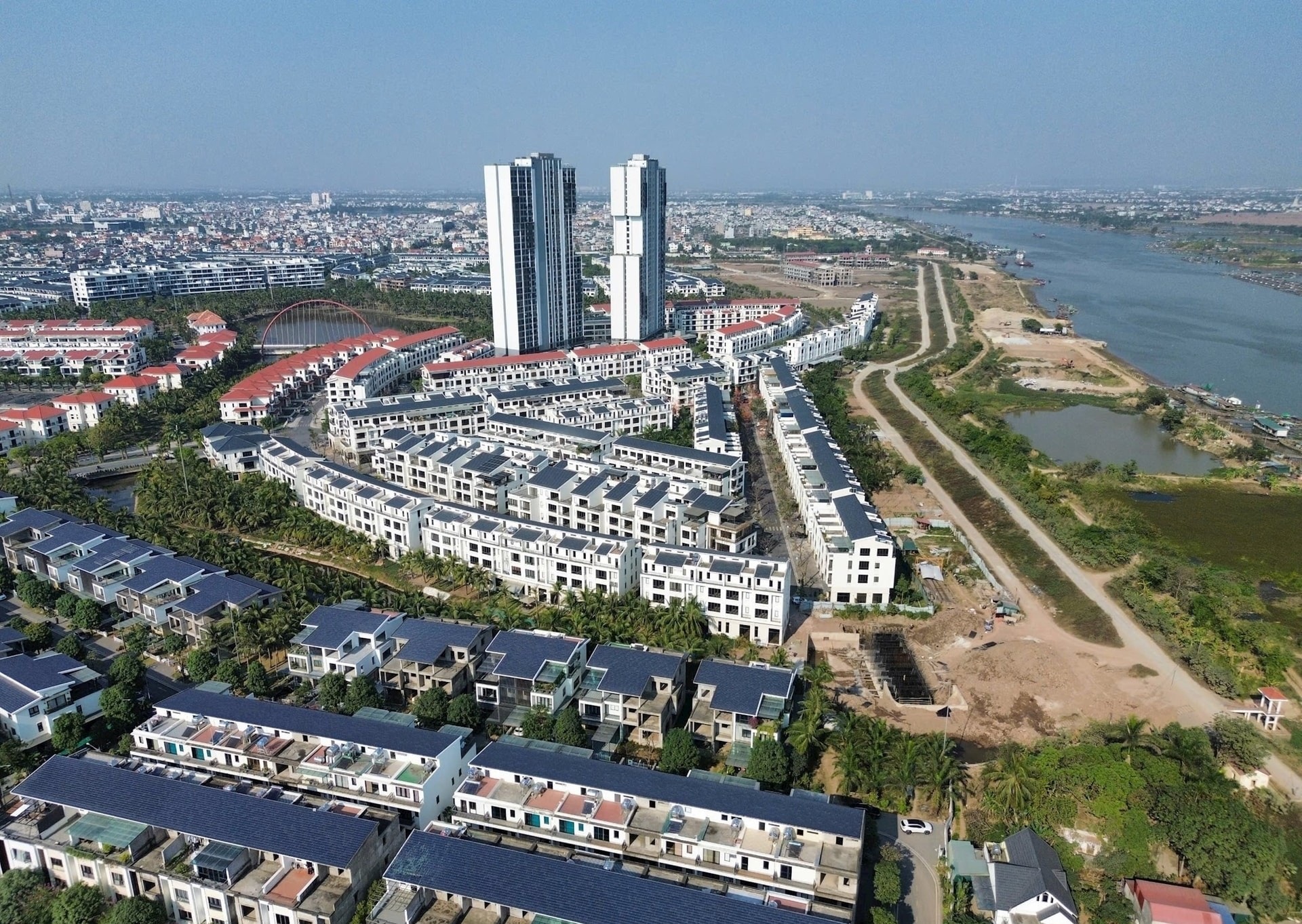
The current adjustment of the master plan is not only aimed at reorganizing development space but is also identified as the foundation for Hai Phong City to enter a new growth cycle. Based on an analysis of development scenarios, the city has selected the scenario for the 2026–2030 period, targeting GRDP growth of approximately 13.8%. This target requires the master plan to be sufficiently forward-looking, well-coordinated, and capable of guiding development.
The adjusted master plan clearly identifies the areas and sectors that serve as the city’s growth drivers. Hai Phong focuses on developing key pillars such as international seaports and logistics, green and smart industries, sea and island tourism associated with services, and the urban space along the Cam River—the city’s political and administrative center. These areas are oriented toward in-depth development and close interlinkages, creating spillover effects for the entire city economy.
At the appraisal session for the adjustment of the Hai Phong City Master Plan for the 2021–2030 period, with a vision to 2050, Standing Vice Chairman of the City People’s Committee Le Anh Quan repeatedly emphasized the requirement that “planning must go one step ahead.” He noted that the 2026–2030 period is a decisive phase for Hai Phong to realize its goal of becoming a modern international port city. Well-prepared planning will pave the way for development; conversely, if planning lacks coordination and long-term vision, the city will struggle to achieve sustainable progress.
From practical development experience, Hai Phong also clearly recognizes the pressures ahead. Rapid urbanization and strong growth in industry and logistics will place significant strain on transport infrastructure, the environment, and population distribution. The transition to a multi-center, multi-corridor development model is expected to help redistribute urban functions, ease pressure on the central area, and improve quality of life in other districts.
To ensure that the adjusted master plan truly creates momentum for breakthrough development, the city has identified 15 key tasks, three breakthrough areas, and seven groups of implementation solutions. The focus is on institutional improvement, development of strategic infrastructure, enhancement of human resource quality, and stronger application of science and technology. These are essential conditions to ensure that the master plan does not remain merely on paper but becomes an effective tool for development governance.
The adjustment of the Hai Phong City Master Plan for the 2021–2030 period, with a vision to 2050, therefore serves not only as preparation for the immediate future but also as a foundation for long-term development—toward a more sustainable and livable Hai Phong.
HAI MINH