

Enhancing the standing of Vietnam’s aviation industry
While Long Thanh Airport is expected to ease infrastructure congestion, Vietnamese airlines are shifting their focus toward optimizing revenue per seat by expanding the premium economy segment.
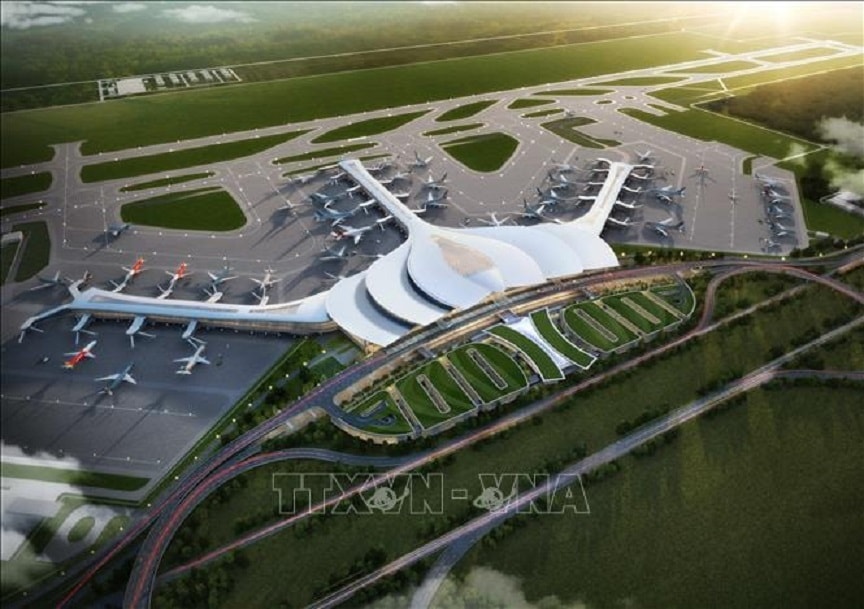
Momentum from the Long Thanh “Mega Project”
During the 2025–2026 period, Vietnam’s aviation development strategy centers on the operation of Long Thanh International Airport, which is designated to serve as the primary gateway for international flights, gradually replacing Tan Son Nhat Airport as its existing infrastructure has exceeded capacity.
Under the master plan, Long Thanh is designed to accommodate new-generation wide-body aircraft such as the Airbus A350 and Boeing 777-9, representing a fundamental difference from many existing airports that are approaching their infrastructure limits amid rising demand for long-haul routes.
According to Mr. Majid Al Falas, Country Manager of Emirates in Vietnam, Long Thanh Airport is a long-term, sustainable development project capable of meeting growth demand for many years to come. He noted that investing in a new airport with a long-term vision enables airlines to plan stable operating strategies, rather than merely expanding within the limitations of outdated infrastructure.
For airlines operating wide-body aircraft, the ability to secure peak-time slots and reduce the risk of ground congestion directly affects operational efficiency and schedule reliability.
The emergence of a new international hub is also prompting significant strategic adjustments among domestic carriers. Vietnam Airlines is expected to anchor its operations at Long Thanh, thereby restructuring its international route network and reducing reliance on Tan Son Nhat. Vietjet Air will gain room to expand medium- to long-haul international routes as infrastructure improves.
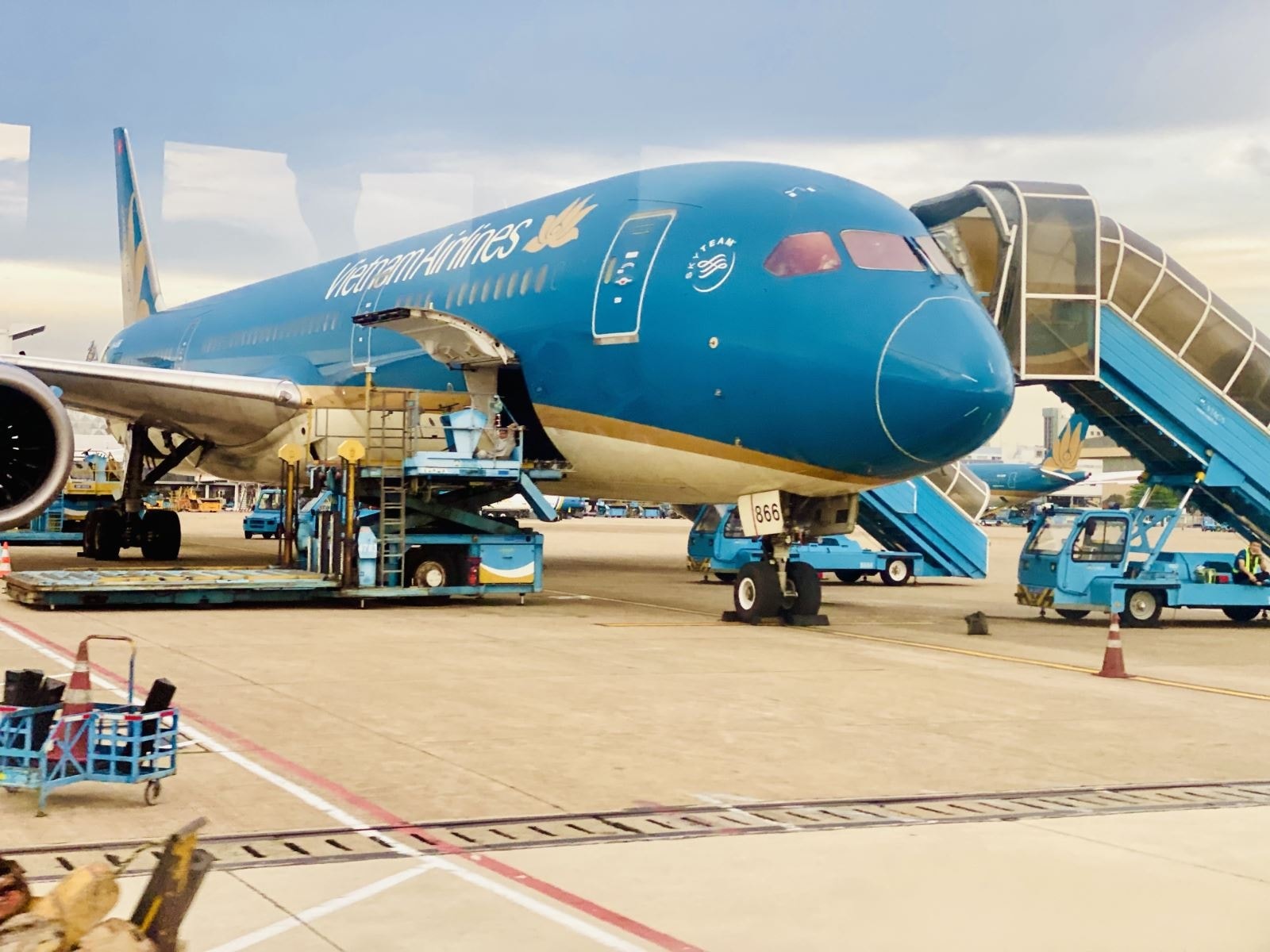
Competition Heats Up in Passenger Experience, Premium Economy and Business Segments
Alongside the expansion of aviation infrastructure, Vietnam’s aviation industry in the 2025–2026 period is undergoing internal transformation. Rather than pursuing higher flight frequencies or passenger volumes, airlines are increasingly focused on maximizing greater value per flight.
Currently, the majority of Vietnamese passengers travel in economy class (87%), while business class accounts for 11%, and premium economy represents just 1%. Although modest, this figure reflects a growing segment of travelers willing to pay more for enhanced comfort, provided fares remain below business-class level.
This trend helps explain why many international airlines are introducing new cabin configurations to the Vietnamese market. Emirates’ deployment of the Airbus A350-900 on the Dubai–Ho Chi Minh City route, featuring a new cabin layout in which premium economy is positioned between economy and business class in both pricing and passenger experience, is a notable example. Vietnam is the first destination in Southeast Asia to receive this aircraft type, underscoring airlines’ increasingly pragmatic assessments of domestic purchasing power and consumer behavior.
This trend extends beyond Middle Eastern carriers. Singapore Airlines has piloted allowing economy-class passengers to pay extra for Premium Economy seat selection on regional routes. Cathay Pacific has also upgraded its premium economy cabins on its Boeing 777-300ER fleet, emphasizing greater personal space.
As aviation infrastructure continues to improve, the key challenge is no longer how many flights can be operated, but how efficiently each seat is monetized. Passenger experience and clear market segmentation will be decisive in determining which airlines are able to retain market share amid intensifying competition.
Hai Phong News