

Cuisine on threshold of digitalization
Familiar eateries of Hai Phong residents have been honored and placed on a modern ‘culinary map’ for the first time.
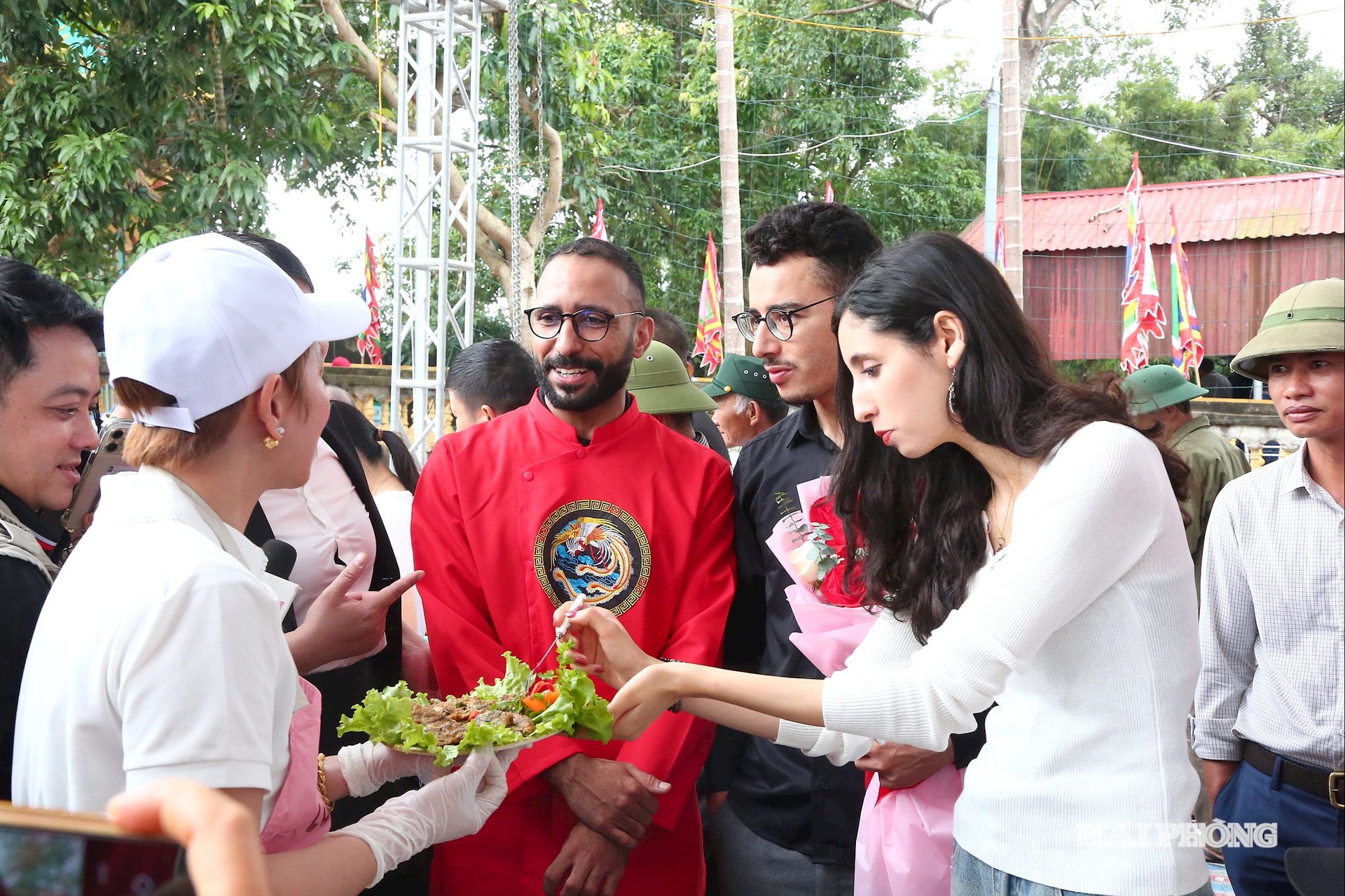
Recently, familiar eateries of Hai Phong residents have been honored and included on a modern “culinary map” for the first time. The event, co-organized by Grab Vietnam and the city Department of Culture, Sports and Tourism, praised nearly 30 typical restaurants and eateries for their contributions to building and spreading the city’s culinary culture, going beyond a mere awards ceremony.
The event opened up a new approach to preserving and promoting the value of the city’s cuisine.
Instead of symbolic awards, the recognition was based on clear and specific criteria. The eateries must operate legally, hold business licenses, and ensure food safety and hygiene. Their quality was not determined by a closed council, but by real user feedback, with participation and consultation from local professional agencies.
This approach reflects a new direction in urban culinary management, with standards as the foundation and the market and consumers as the yardstick. Accordingly, eateries that operate responsibly and maintain quality and credibility are recognized and widely introduced.
The story also shows that tourism digital transformation cannot stop at placing a few QR codes at attractions or building promotional websites. Tourism today competes through a seamless experience, from information search, destination selection, service booking, transportation and payment to review. Grab’s first announcement of the Food Tour 2.0 category on its application is a concrete example of this direction.
If properly implemented, Food Tour 2.0 will help users access curated lists of eateries, view information, order food or visit in person, and move conveniently between culinary spots. Essentially, it “packages” previously fragmented experiences into service products that can be managed, measured, and improved over time.

Digital platforms often create more opportunities for establishments that adapt quickly, know how to take appealing photos, optimize menus, manage orders, and take care of customer reviews.
Meanwhile, many eateries that are “authentically Hai Phong,” genuinely delicious and crowded on site, remain weak in digital skills and conditions. Without support mechanisms, digitalization can easily create a new form of stratification.
Eateries that get onto platforms can expand their customer base, while those that remain outside are confined to neighborhood reach. In that case, digital maps may inadvertently exclude good and reputable eateries in the city.
Therefore, the role of State management agencies cannot stop at consultation or event co-organization. The city should see this as an opportunity to proactively support small business households, from training in digital skills and guiding food safety procedures to building a set of “Hai Phong cuisine” criteria.
HAI MINH