

Cultural remains at Chi Linh’s eight ancient sites
Chi Linh, formerly part of Hai Duong province, is associated with eminent figures of the nation and preserves a system of relics known as ‘Chi Linh’s eight ancient sites’ with precious cultural and historical remains.
Historical memory
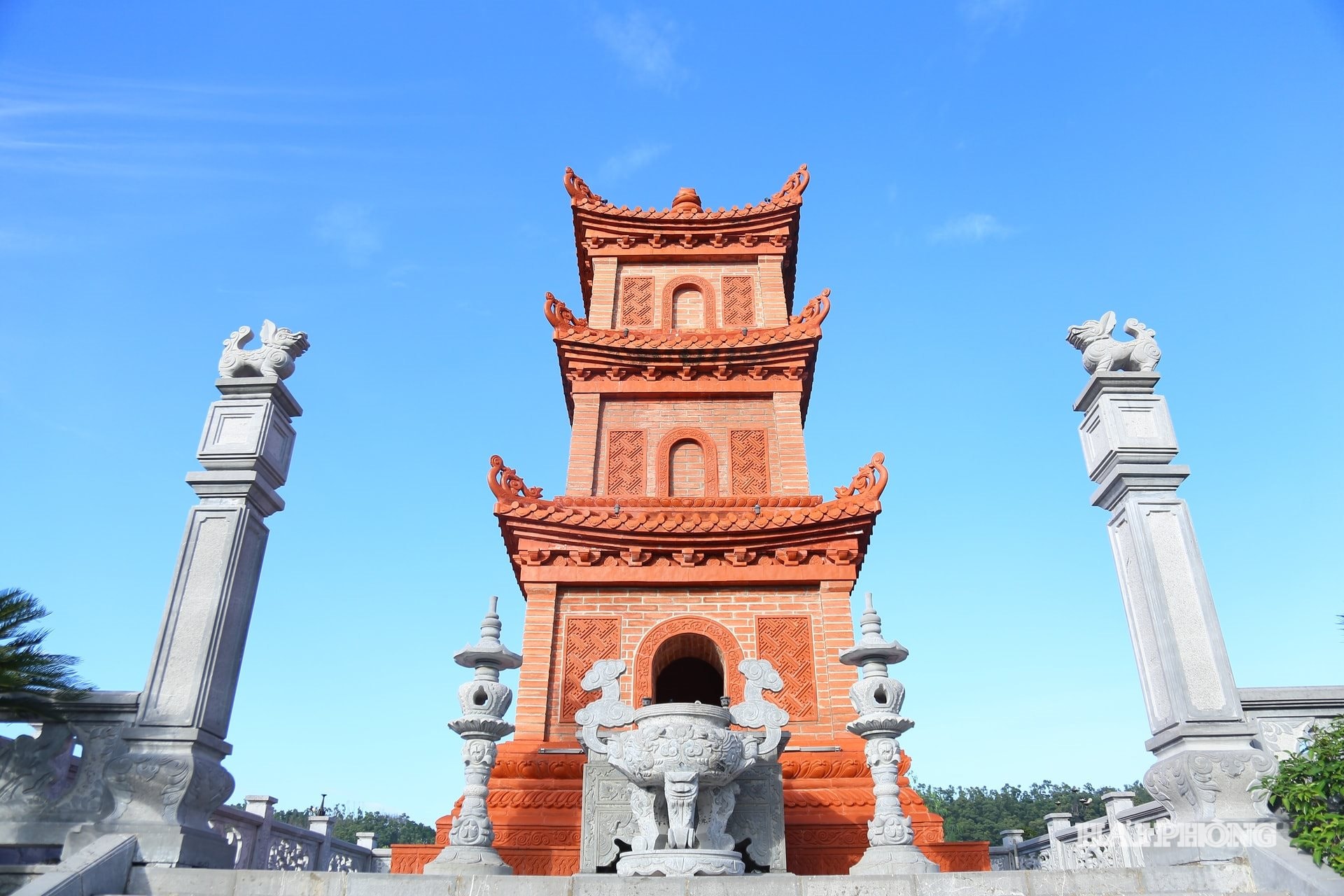
Chi Linh, formerly part of Hai Duong province, was regarded as a land of cultural convergence, a place of “sacred land producing outstanding people” in history. Tran Quoc Tuan, Tran Nguyen Dan, Nguyen Trai, Chu Van An, Mac Dinh Chi and others were all associated with, lived in, or left profound imprints here. Con Son – Kiep Bac relic site, with its layered mountains and harmonious rivers and waters, became a spiritual anchor and a place of retreat and reflection for many eminent scholars after they left official life.
“Chi Linh’s eight ancient sites” is the collective name for eight typical historical landmarks recorded in ancient texts in the 18th century. These sites not only reflect historical depth but also reveal the interaction of scholarship, military affairs, belief and folk life.
They include Trang Nguyen Co Duong, an ancient school founded by the Dual-Laureate Doctor Mac Dinh Chi in Linh Khe (now Hop Tien commune); Nhan Loan Co Do, an ancient ferry wharf on the Luc Dau river, associated with legends from the Hung Kings era, traces of An Duong Vuong fleeing enemies, and near Binh Than wharf, where Tran Quoc Toan crushed an orange in a gesture symbolizing his great patriotic resolve.
There is also Huyen Thien Co Tu (Van Tien Co Dong), a major Buddhist center during the Ly–Tran dynasties where the three patriarchs of the Truc Lam Zen sect practiced, leaving a profound imprint of engaged Buddhism; and Duoc Linh Co Vien, an ancient medicinal garden on Duoc Son mountain, grown by Pham Ngu Lao at the direction of Tran Hung Dao to treat soldiers and civilians, reflecting medieval military medical and humanitarian thinking.
The system further includes Thuong Te Co Trach, the former residence of court official Tran Quoc Chan, a tragic figure in Tran Dynasty history; Tieu An Co Bich, the stone wall surrounding the hermitage of renowned teacher Chu Van An on Phuong Hoang mountain; Phao Son Co Thanh, a key military citadel guarding the northeastern region across multiple dynasties; and Tinh Phi Co Thap, the resting place of Nguyen Thi Due, the first woman in Vietnamese history to earn a doctoral degree, a symbol of female intellect and resilience.
Taken as a whole, “Chi Linh’s eight ancient sites” form a relic map in which each location is linked to a specific figure, story or historical period, creating a rare and distinctive cultural ensemble.
Preserving heritage amid modern life
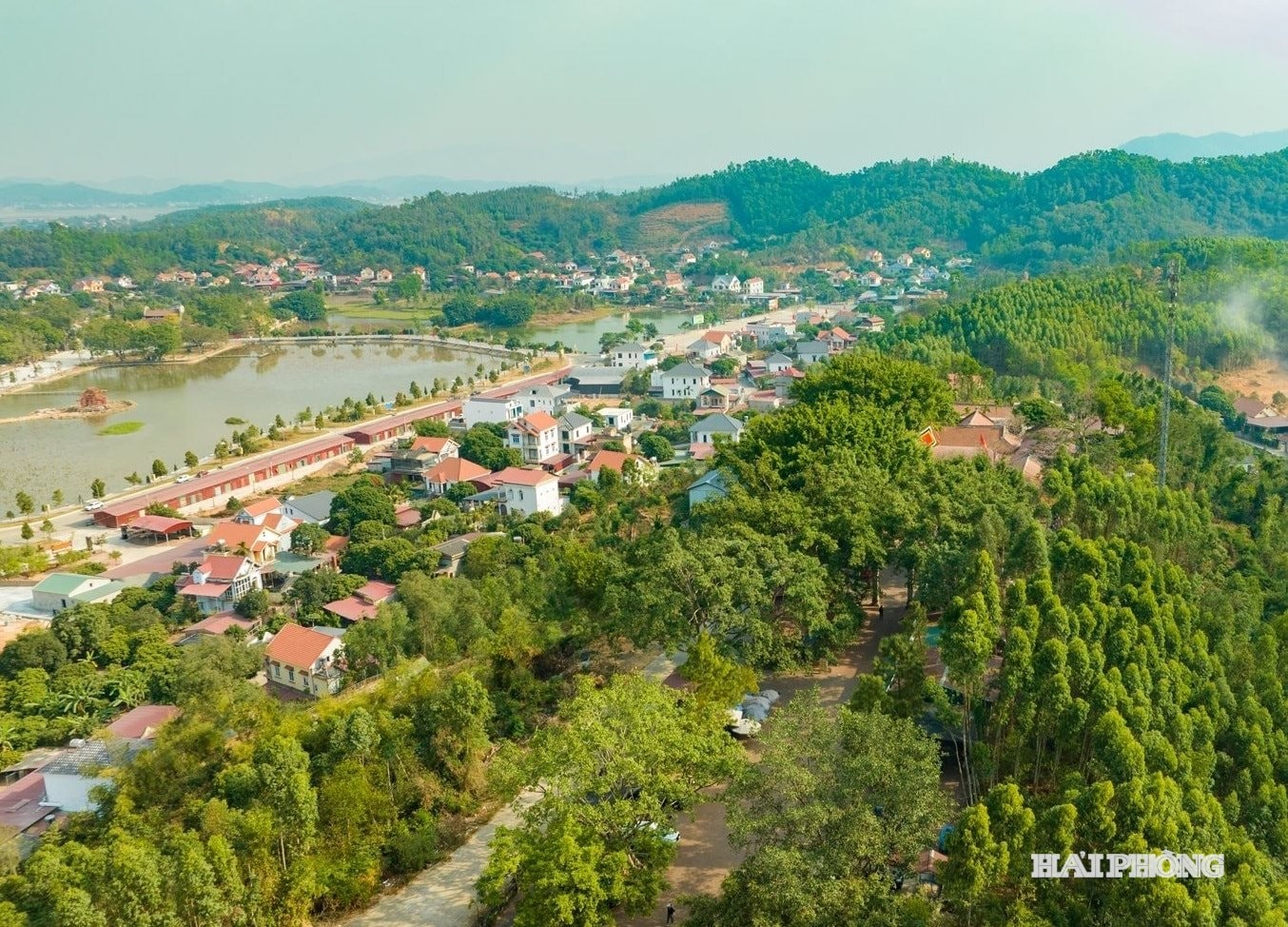
Over time, not all “Chi Linh’s eight ancient sites” have remained intact. Some locations such as Nhan Loan Co Do, Phao Son Co Thanh and Duoc Linh Co Vien have deteriorated or even disappeared. Among them, Duoc Linh Co Vien is currently being oriented for restoration under the master plan for the Con Son – Kiep Bac special national relic site approved by the Prime Minister in 2010.
At the grassroots level, the preservation of “Chi Linh’s eight ancient sites” is being implemented in line with local conditions. Phan Van Duc, Director of the Public Service Center of Chu Van An ward, said: “There are four relics belonging to ‘Chi Linh’ eight ancient sites’ in Chu Van An ward, namely Thuong Te Co Trach, Tieu An Co Bich, Tinh Phi Co Thap and Huyen Thien Co Tu. Of these, Tieu An Co Bich and Tinh Phi Co Thap have been fairly well restored; the rear sanctuary of Thuong Te Co Trach has recently been rebuilt; and Huyen Thien Co Tu is awaiting approval for reconstruction.”
According to Duc, the biggest difficulty at present is funding, while many relics still have modest landscapes, narrow access roads and visitor numbers that do not match their potential. “For sustainable preservation, a comprehensive plan is needed, combining the budget with socialized funding, while strengthening communication so that the relics truly ‘live’ within community life,” Duc emphasized.
PHUONG LINH