

Hai Phong builds safe fruit cultivation models
Fruit growing areas in Hai Phong are moving toward production that meets safety standards such as VietGAP, GlobalGAP and organic standards.
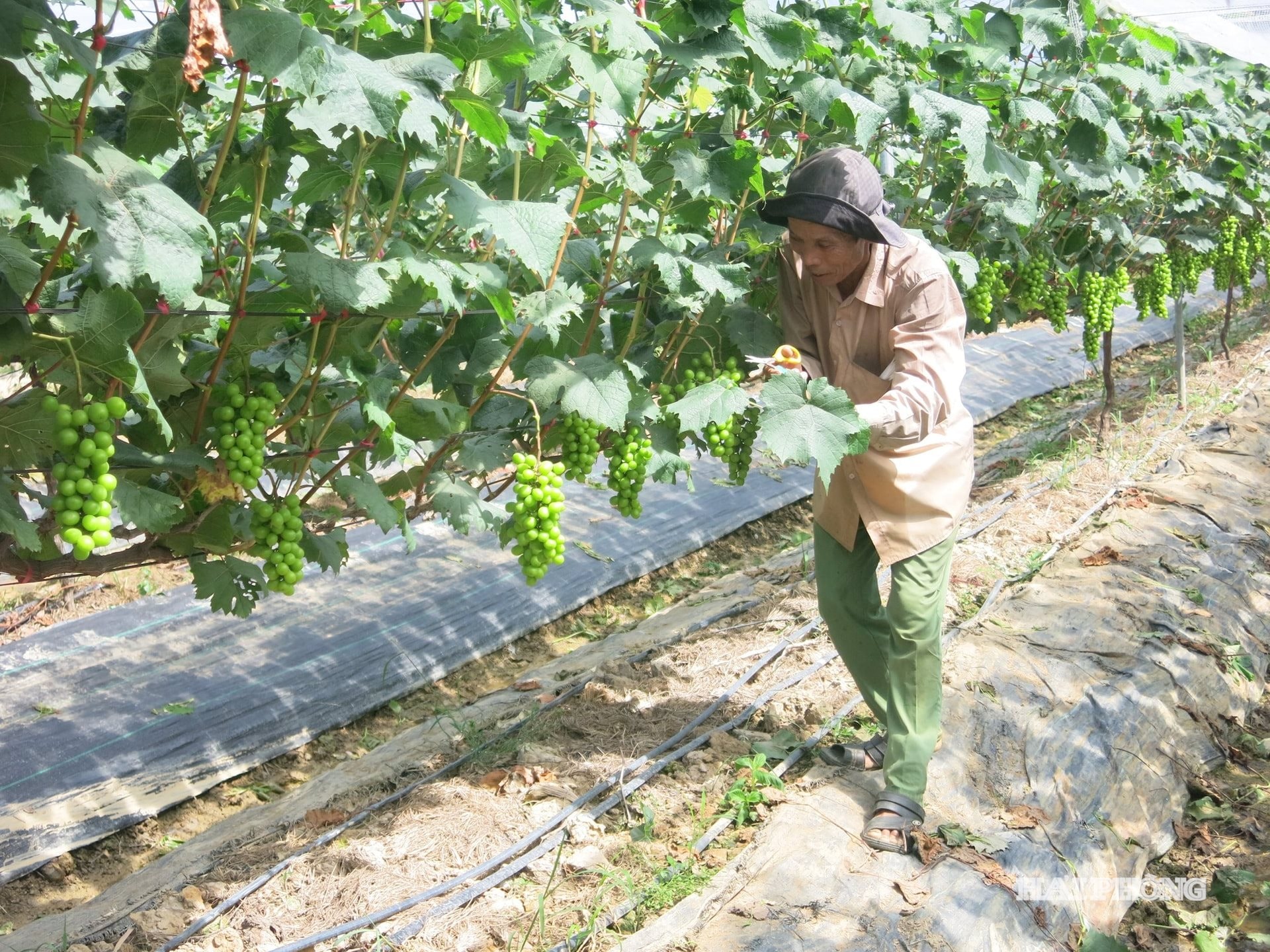
Safe, high-value products
According to a report by the Hai Phong Sub-department of Crop Production and Plant Protection, the city is home to more than 28,000 ha of fruit-trees, including many crops that generate high economic value, with average annual output reaching 305,000 tons.
In fruit growing areas, alongside land cultivated under traditional farming methods, there are 180.8 ha of fruit production meeting VietGAP and GlobalGAP standards. Of this, VietGAP production covers 12 areas with a total of 170.8 ha, while GlobalGAP production includes one area of 10 ha. In addition, around 3,000 ha are produced following GAP-oriented practices, covering key crops such as lychee, longan, custard apple, guava and banana.
Ameii Vietnam JSC. is one of the city’s major exporters of agricultural products to Asian and European markets. As a result, the company must link with producers to develop production areas that meet VietGAP and GlobalGAP standards.
In 2025, the company coordinated the development of more than 30 ha of GlobalGAP-standard production and over 100 ha of VietGAP-standard lychee in Thanh Ha commune, along with multiple VietGAP-standard banana production areas in several localities across the city.
General Director of Ameii Vietnam JSC. Ngo Thi Thu Hong said that to meet export requirements, the key condition is that fruit must be cultivated under VietGAP and GlobalGAP standards. She expressed the company’s strong desire for local authorities to develop production areas meeting these standards to support businesses and reduce difficulties in building export-oriented cultivation zones.
Mechanisms, incentives and timely support needed
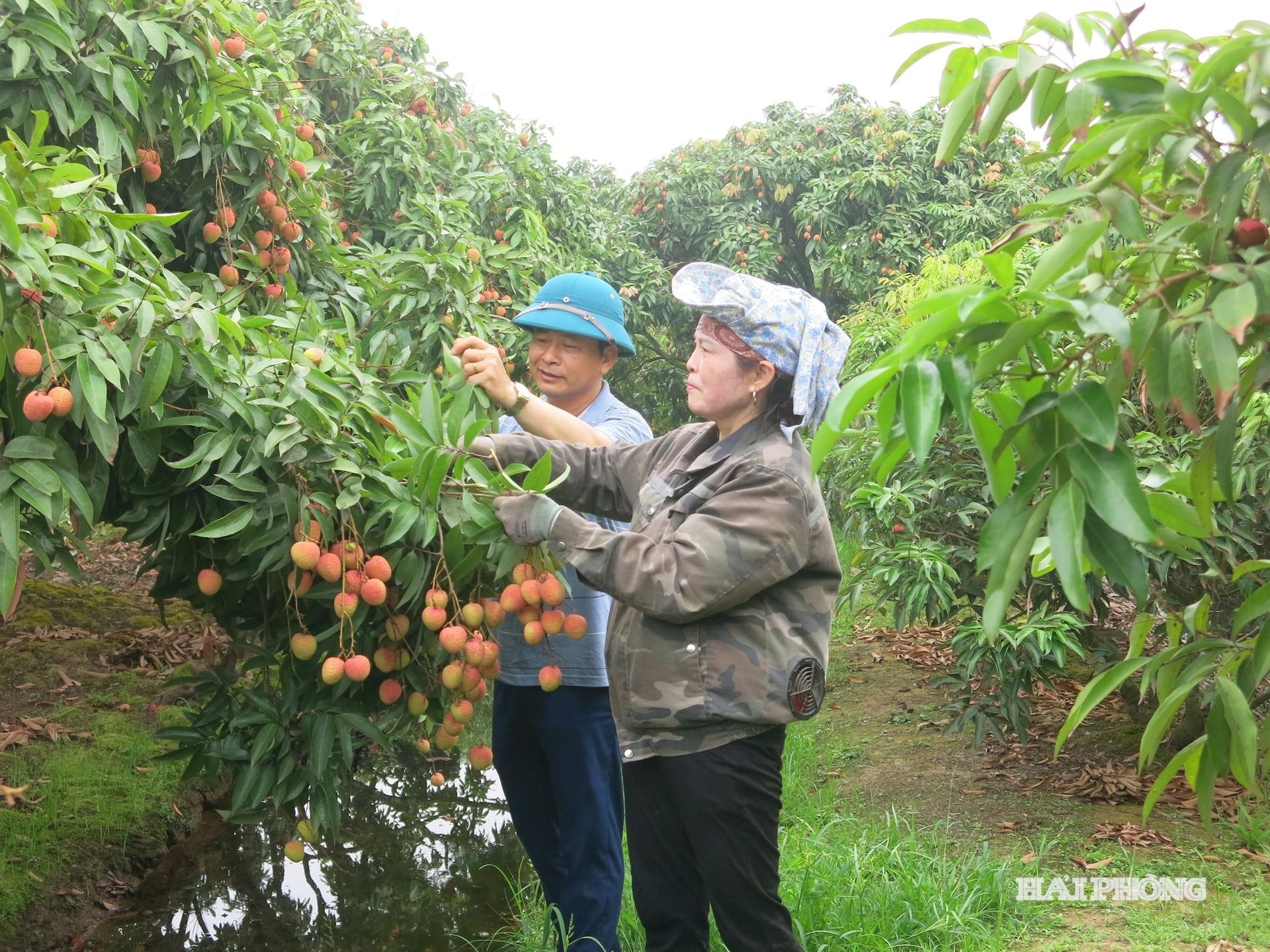
To enhance the value of fruit products, the city Department of Agriculture and Environment plans to continue promoting production that meets export standards, VietGAP, GlobalGAP and organic orientations. Alongside this, QR codes will be issued for traceability, brand identification and production transparency for fruit groups with large-scale, concentrated commodity production areas and favorable markets, such as lychee, longan, banana, guava and custard apple.
To achieve these goals, Deputy Director of the city Department of Agriculture and Environment Luong Thi Kiem said that fruit growing areas across the city need to synchronously apply solutions to effectively control pesticide residues to ensure safety standards, increase the use of organic fertilizers and beneficial biological products for soil improvement, and improve care, harvesting and preservation to raise productivity and quality.
At the same time, investment should focus on intensive cultivation to enhance yield and quality while ensuring food safety in fruit-growing areas.
In addition, the city needs specific support mechanisms and policies, with greater priority for areas converting from rice cultivation to fruit growing, and effective implementation of support policies for safe fruit production models and zones.
Local authorities also need to actively mobilize and raise awareness among farmers to rationally restructure crops and facilitate administrative procedures to enable farmers to shift to fruit cultivation.
HUONG AN