

Exploring ancient forest around Thanh Mai pagoda
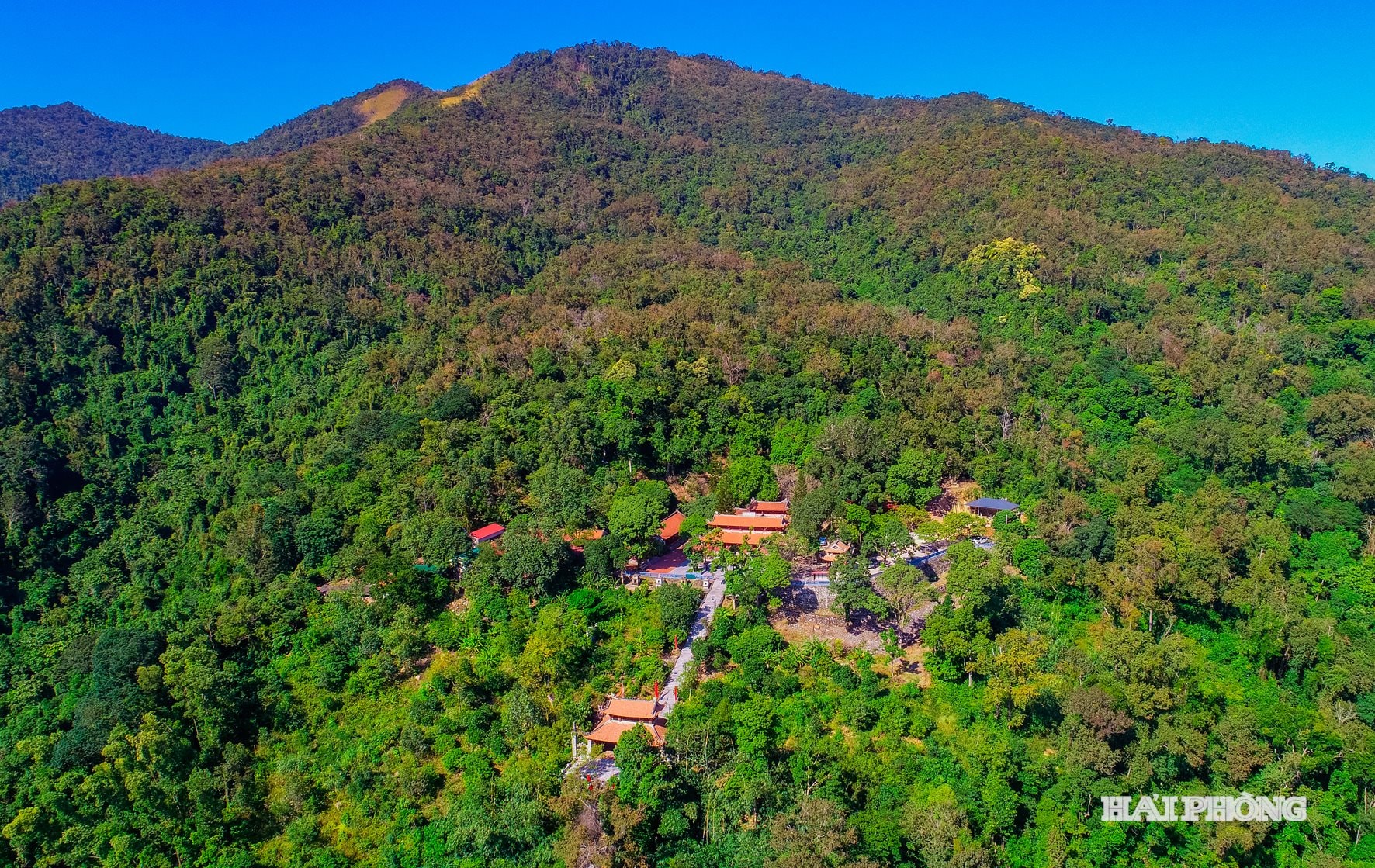
When late-autumn weather turns cold, the ancient forest surrounding Thanh Mai pagoda in Nguyen Trai ward, Hai Phong city is covered in shades of yellow, drawing visitors to the area.
Appeal of natural beauty
On a weekend morning, along the small path skirting Thanh Mai mountain, Pham Cong Ninh from Chu Van An ward and his friends hiked while chatting cheerfully. This has become their familiar journey every November. “The air here is very fresh. Each year, we return to admire the changing colors of the forest, take photos, and relax. The shifting scenery creates a new feeling every time we come,” said Ninh.
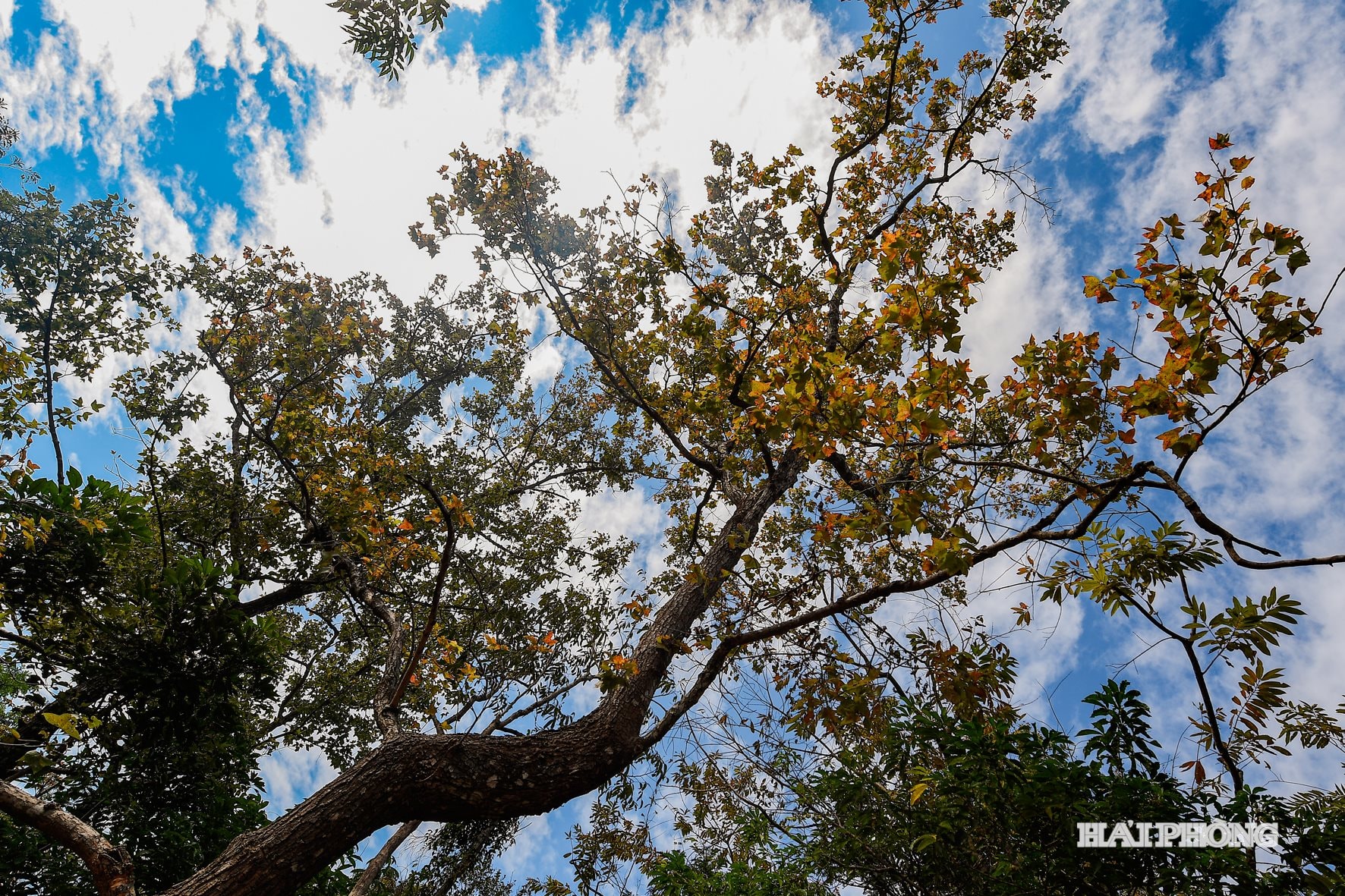
The ancient forest around Thanh Mai pagoda covers about 15 hectares. It has a dense population of phong huong (Liquidambar formosana) trees, many of which are centuries old. Interspersed among them are lim (Erythrophloeum fordii), sen (Madhuca pasquieri), lat (Chukrasia tabularis) and other valuable species, forming a diverse ecosystem. Some old trees are so large that two or three people are needed to wrap their arms around the trunk.
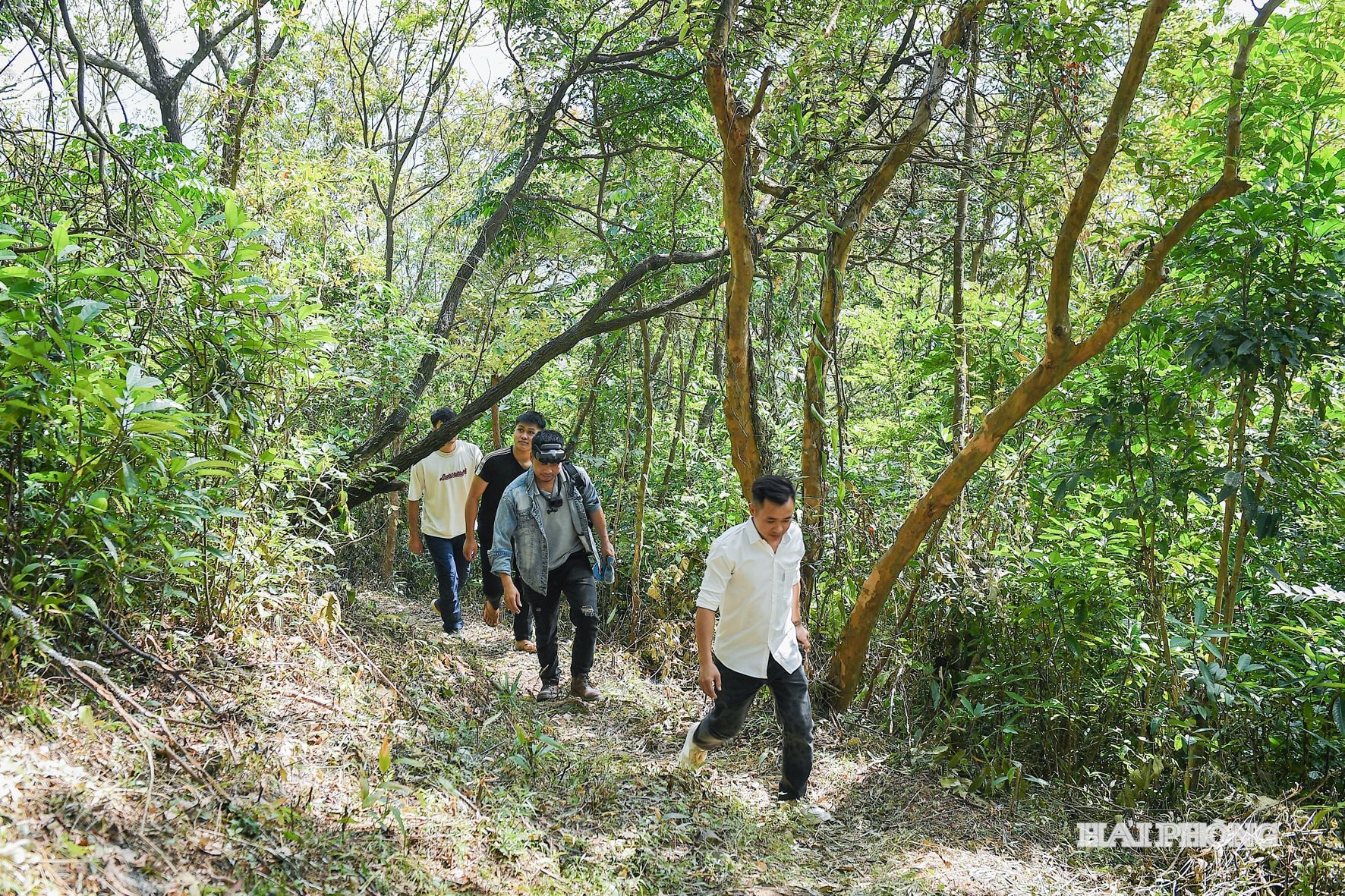
In addition to local residents, many groups of visitors from Ha Noi, Quang Ninh and elsewhere also travel to Thanh Mai to trek, camp and admire the maple forest during leaf-changing season.
Thanh Mai maple forest is one of the areas that still maintains a relatively large expanse of natural forest. The landscape has great potential for experiential activities.
Ancient trees and unique cultural and historical values
Thanh Mai pagoda sits on Tam Ban mountain at an elevation of more than 200 m. It was built in 1329 by Zen Master Phap Loa, the second patriarch of the Truc Lam Zen Sect. Within the pagoda grounds, the national treasure Thanh Mai Vien Thong tower stele and many ancient relics of historical value are still preserved.
Local residents say the ancient forest has existed for a very long time, with many trees even older than the pagoda itself. The trees contribute to the sacred atmosphere of the religious site and give Thanh Mai pagoda its unique character.
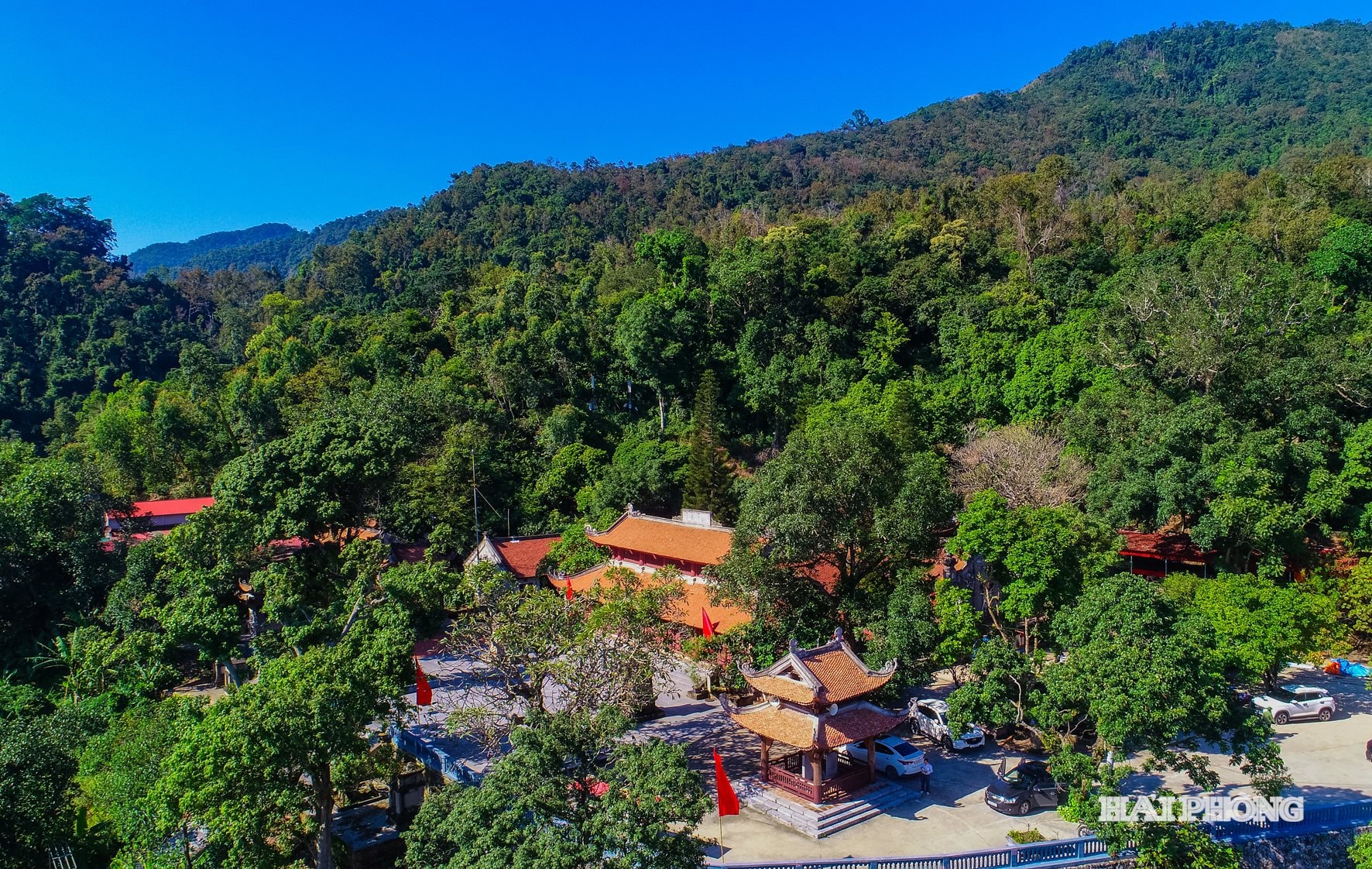
Beyond ecological value, the ancient forest and Thanh Mai pagoda also play an important role in the cultural and spiritual life of local people. Each year, the Thanh Mai pagoda festival is held on the death anniversary of Zen Master Phap Loa (the 1st to 3rd days of the 3rd lunar month), attracting large numbers of Buddhists and visitors.
In recent years, the number of visitors to the Thanh Mai maple forest has increased significantly, especially in late autumn and early winter. This year, the Con Son – Kiep Bac Relic Management Board launched a maple forest experience tour featuring sightseeing, hiking, camping, learning about the history of the Truc Lam Zen Sect, and local specialties. Visitors can admire the changing colors of the maple forest while learning about the pagoda’s history and the area’s cultural values.
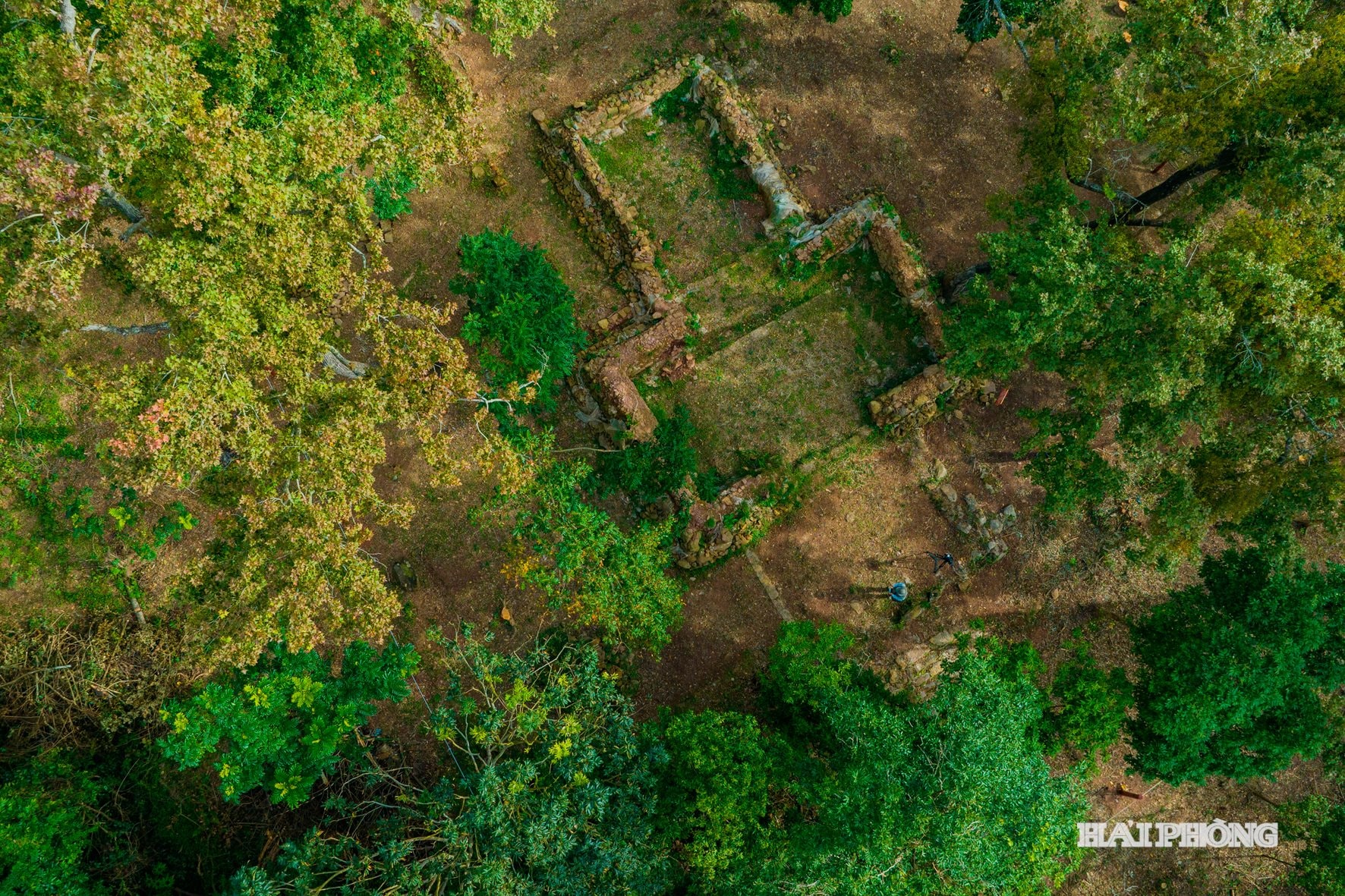
With its distinctive ecosystem, enduring historical and cultural significance, and striking natural scenery, the ancient forest around Thanh Mai pagoda is expected to become a year-round tourist destination for visitors from within and outside the city. Prioritizing conservation while developing guided activities will help the area maximize its advantages while preserving its original beauty.
LINH LINH