
From cultural heritage to driver of creative industries
With its rich cultural and historical traditions, Hai Phong is gradually transforming, turning culture into a resource for sustainable development.
Solid foundation
Hai Phong is known not only as a dynamic port city but also as a place where cultural values have been forged over centuries. The blend of long-standing heritage and modern urban life creates a rich foundation and potential for developing cultural industries.
Beyond its heritage, Hai Phong also possesses a network of cultural institutions and urban infrastructure conducive to the formation of creative hubs: the City Opera House, the Center for Culture, Exhibition and Cinema, walking streets, and commercial-entertainment complexes in new urban areas. These elements form an important base for expanding cultural industry sectors such as film production, music, design, fashion, performing arts, digital media, advertising, gaming, cultural tourism, and night-time economy.
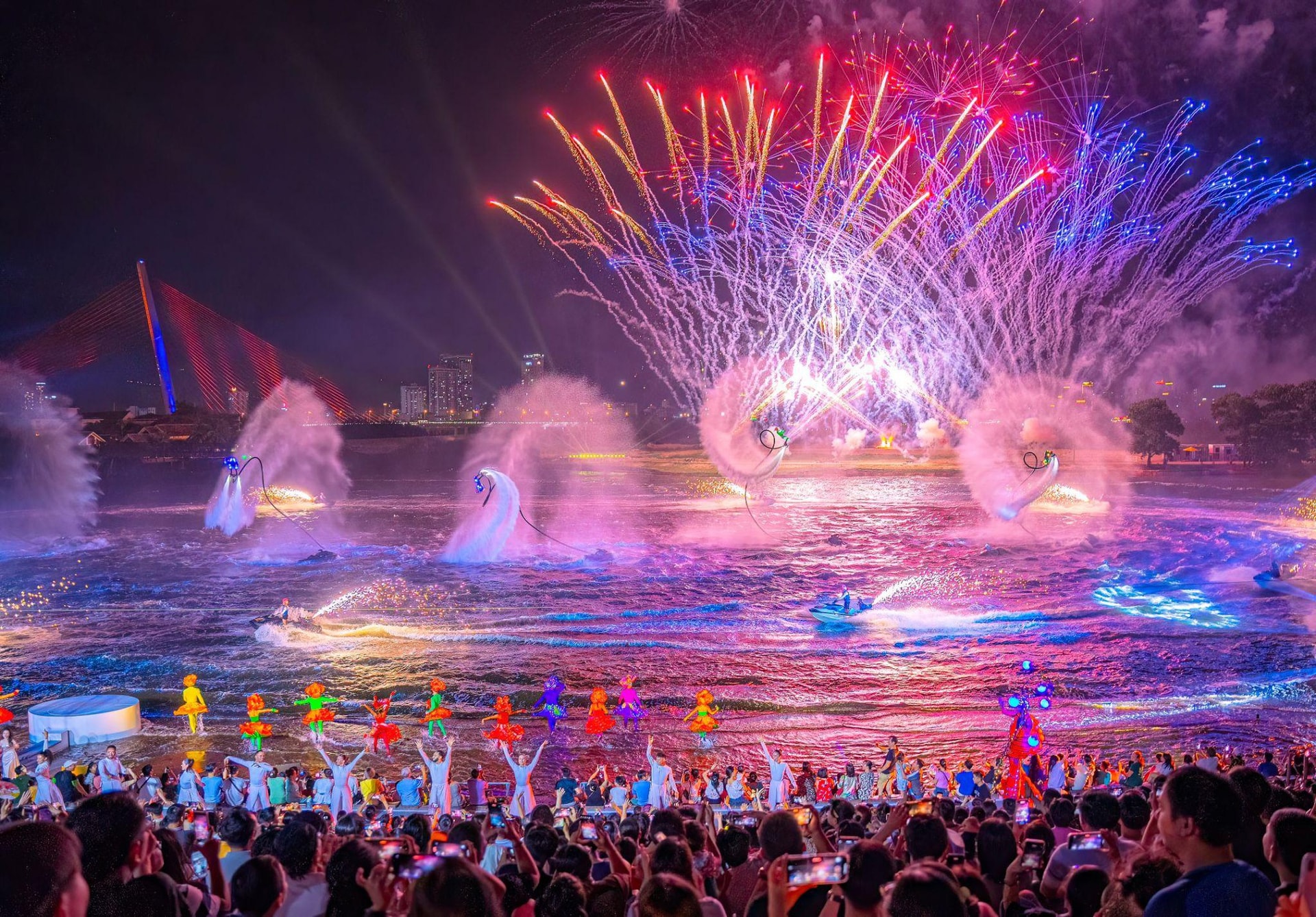
Cultural industries are shaped by the combination of creativity, technology, and economy. Hai Phong has gradually brought cultural and artistic activities into urban spaces. Street art programs, music festivals held in public squares, and weekend outdoor events along walking streets add vibrancy to the city’s atmosphere.
Artistic activities such as traditional performances at Hang Kenh communal house and programs under the scheme to restore and organize cultural and artistic activities at the bandstand in Nguyen Du park are maintained…
Growth engine
For cultural industries to truly become a growth engine, Hai Phong needs to establish and implement mechanisms and policies that encourage holistic development, focusing on preserving and promoting heritage values and traditional cultural identity. At the same time, restoration, renovation, and planning of relic sites must continue to improve their landscapes and maintain traditional festivals.
The city must also prioritize the preservation and promotion of traditional art forms, an essential foundation for developing tourism products. Besides, Hai Phong should maintain and expand large-scale cultural programs, while strengthening communication and promotion of world heritage sites in the city to regional and international audiences, thereby attracting research and tourism activities that contribute to socio-economic development.
From its scholarly traditions to its modern port-city energy, Hai Phong has all the conditions necessary for strong growth in cultural industries. With the participation of government, businesses, artists, communities, and close regional cooperation, culture is gradually becoming an endogenous resource that improves the quality of life and creates economic momentum.
Hai Phong is home to 3,981 relic sites of various types, including communal houses, temples, pagodas, shrines, tombs, and stone bridges. The city has two interprovincial world heritage sites, nine special national relics, 257 national relics, 722 city-level relics, 33 national treasures, two intangible cultural heritage elements recognized by UNESCO as world heritage, 24 national intangible cultural heritage elements, two People’s Artisans, 46 Meritorious Artisans, and 1,289 festivals.
DUC HUY