
Turning supporting industries into key driver of Hai Phong’s growth
With a strong industry–services base, a modern industrial parks and large-scale FDI inflows, Hai Phong is well positioned to develop supporting industries into a new pillar of growth.
Barriers and bottlenecks
After the merger with Hai Duong province, Hai Phong became the country’s third-largest economy and one of the national leaders in foreign direct investment (FDI) attraction, with 1,740 valid projects totaling more than 50 billion USD in registered capital.
FDI has shifted from extensive to intensive growth, attracting more large-scale, high-tech projects from global corporations such as LG (10.59 billion USD), Bridgestone (1.22 billion USD), Regina Miracle (1 billion USD) and Pegatron (900 million USD). These projects not only brought substantial capital but also contributed to technology transfer, enhanced production capacity and shaped the city’s spearhead industries.
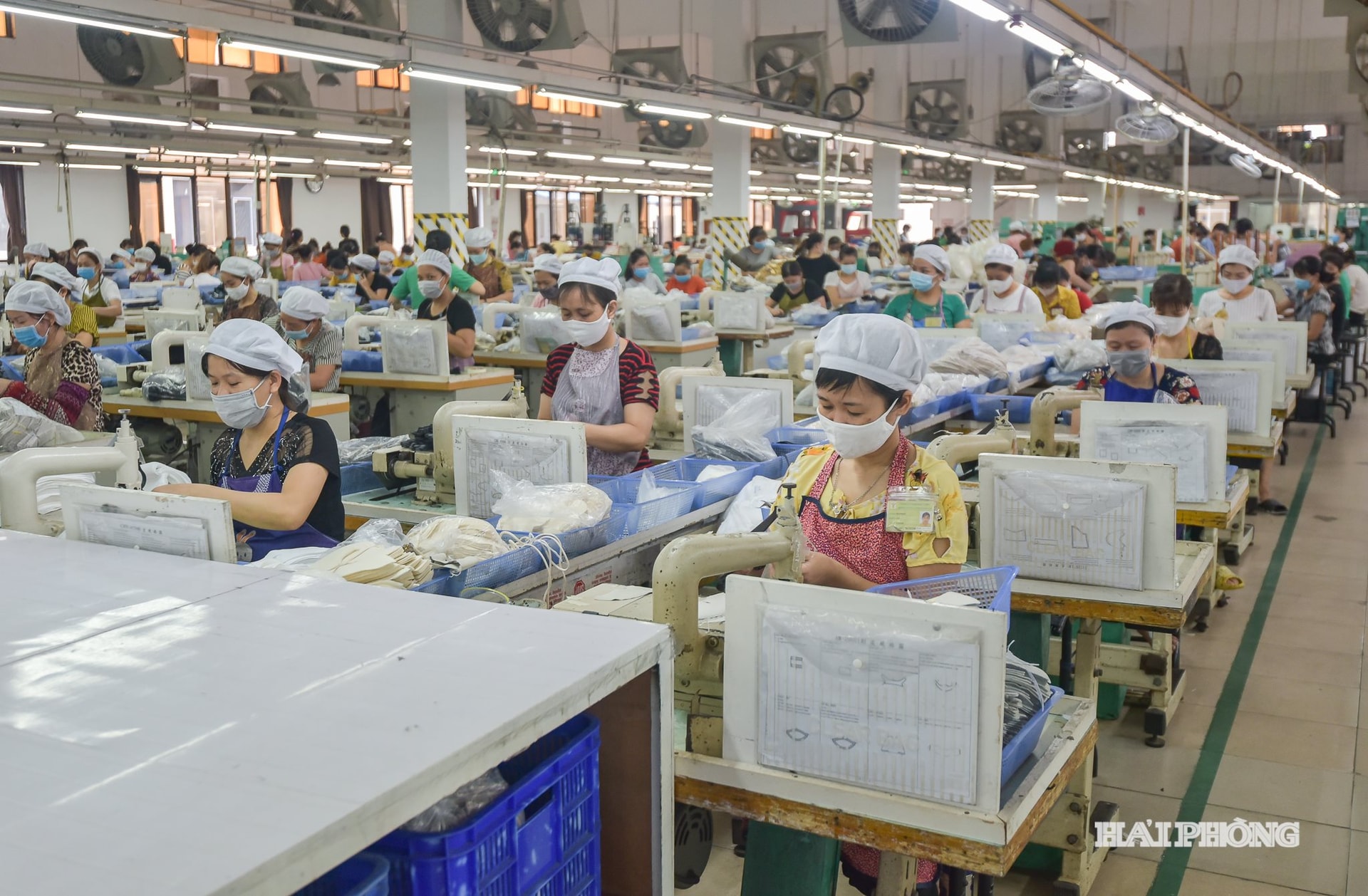
However, most domestic enterprises in Hai Phong in particular and Viet Nam in general still occupy a low position in the supply chain, mainly engaging in simple processing and assembly. This presents a challenge but also highlights the significant potential for developing supporting industries, especially in major industrial hubs like Hai Phong.
According to Le Ngoc Lan, Deputy Director of the city Department of Industry and Trade, although the city’s localization rate has made notable progress, reaching 45 – 50% in textiles and footwear and over 30% in mechanical engineering, it remains far below the requirements of integration.
Previously, Hai Phong issued a supporting-industry development program through 2025 with orientation to 2030, allocating more than 1.9 billion VND to support enterprises. The goal is to meet 60 – 65% of production demand in the city by 2025 and over 70% by 2030.
Hai Phong has also surveyed 177 enterprises in mechanical engineering, electronics, textiles, footwear and automotive manufacturing to update data onto the national information system for supporting industries.
Turning supporting industries into a growth engine
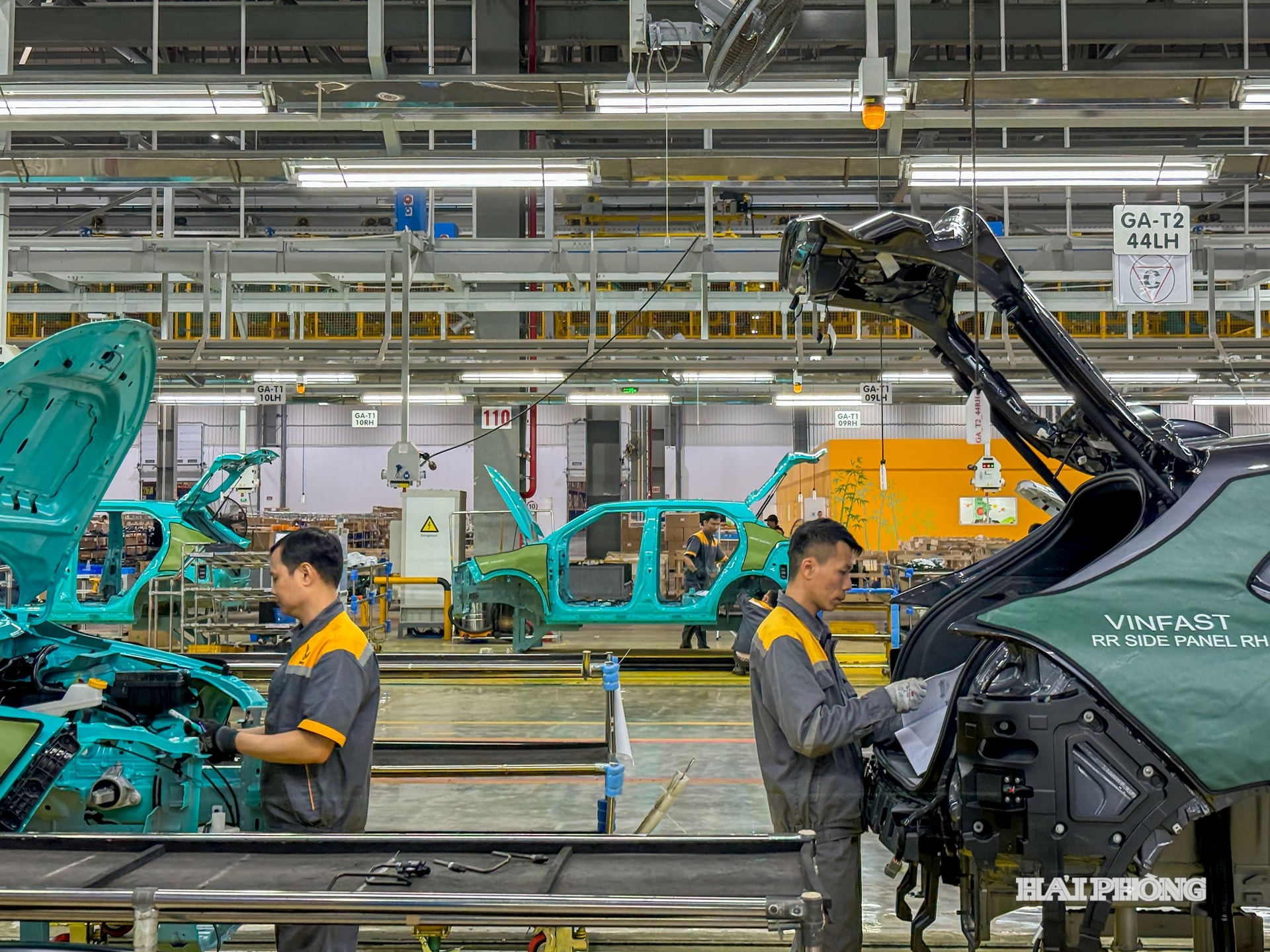
Experts say that for supporting industries to truly become a new growth driver, Hai Phong must implement a comprehensive set of strategic and long-term solutions aligned with the orientation of restructuring the industrial economy toward modernization.
Recently, the Hai Phong Economic Zone Authority has organized a conference connecting FDI enterprises in industrial parks and economic zones with domestic supporting-industry companies. Speaking at the event, Tran Van Thang, Chairman of the city Business Association and Chairman of the Board of Directors of Sao Do Group, said: “Regarding the importance of supporting industries and the picture in Hai Phong, I believe supporting industries are the decisive link in deepening localization, improving supply speed and strengthening the adaptability and resilience of the supply chain.”
At the conference, Vice Chairman of the city People’s Committee and Head of the city Economic Zone Authority Le Trung Kien affirmed that the authority would actively support the connection and introduction of local enterprises’ potential and capacity to FDI firms, while providing information on the specific needs and standards of foreign investors.
He also called for determination, creativity and proactive engagement from both sides. FDI enterprises should share technical requirements and work alongside domestic partners to help them meet standards. Domestic enterprises should continuously improve capacity, renew their mindset and confidently introduce themselves to the “giants” right next to them.
The city Department of Industry and Trade is also preparing a development program for 2026–2035. The department expects the business community to actively study and apply new policies, thereby improving technological capacity, innovating production and positioning supporting industries as a strong pillar of both the city’s and the nation’s economy.
LE HIEP