

Green tourism - sustainable direction for world heritage sites
Green tourism is not just a slogan but has become a long-term development strategy for Hai Phong.
Keeping heritage green
At the 2025 Autumn Festival, the first to be held after Con Son – Kiep Bac relic site was recognized by UNESCO as world heritage, environmental protection was prioritized more than ever. The organizers set up hundreds of additional trash bins, doubled the number of waste collectors compared to regular days, and displayed dozens of banners and posters calling on locals and visitors to help preserve the site’s landscape and keep it clean.
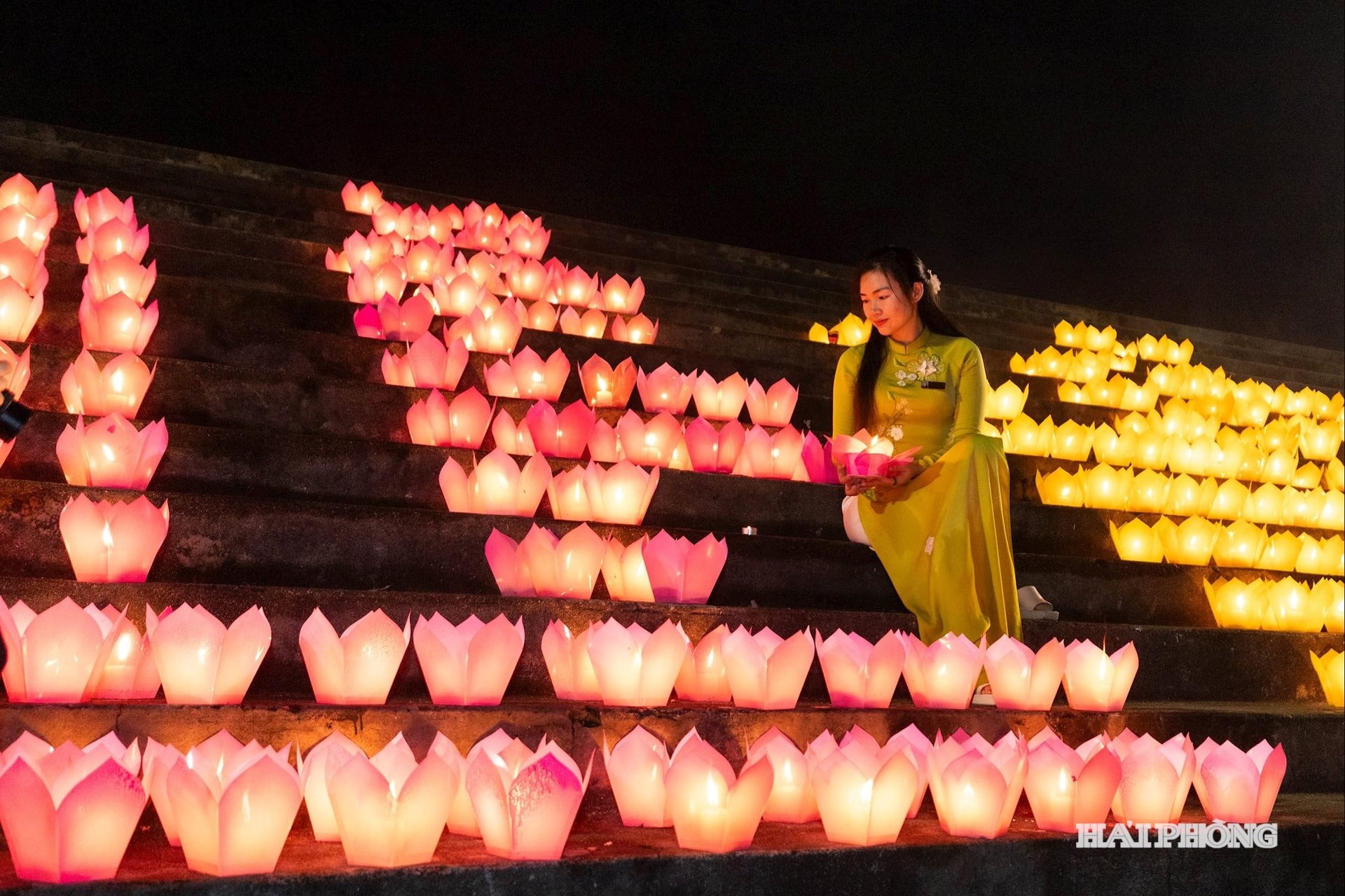
A highlight of the event was the floating lantern night on the Luc Dau river, where 10,000 biodegradable lanterns were used, creating a dazzling yet environmentally friendly scene. “It’s touching to see the river illuminated by thousands of lanterns without harming nature. This should be encouraged elsewhere,” said Nguyen Van Quang, a visitor from Ninh Binh.
Environmental protection and heritage preservation are not only the responsibility of authorities but also a shared effort of the local community. Nguyen Thi Hanh, a vendor near Kiep Bac temple, said: “We were encouraged not to use plastic bags, not to litter, and to separate waste. Thanks to strong communication efforts, visitors have become much more conscious this year, and littering has significantly decreased.”
Cat Ba island, part of the Ha Long Bay – Cat Ba Archipelago World Natural Heritage, is considered a national example of green tourism. James Peterson, a visitor from the UK, remarked: “Cat Ba is naturally beautiful. What I like most is that tourism activities here don’t harm the environment. Our guide reminded us not to use single-use plastics, and there are signs about environmental protection in both English and Vietnamese everywhere. It really makes tourists feel responsible for preserving this island.”
From Con Son – Kiep Bac to Cat Ba, Hai Phong is pursuing the goal of keeping its heritage green, clean, and sustainable, so every visitor can feel the harmony between culture, nature, and human awareness.
Going green to make heritage shine

“Communication is important, but it requires persistence. Throughout the period before, during, and after the festival, we continuously promoted environmental awareness among both locals and tourists,” said Le Duy Manh, Deputy Head of the Con Son – Kiep Bac Relics Management Board.
Hai Phong’s advantage lies in the strong consensus between local authorities, businesses, and the community. Major corporations such as Sun Group have invested in tourism projects linked to conservation, dedicating more than 60% of land to green spaces and public amenities, demonstrating a commitment to protecting the environment and heritage. Green tourism, therefore, is not only a trend but also an opportunity to affirm Hai Phong’s tourism brand. A clean environment and friendly services not only attract but also keep visitors coming back.
Experts suggest that the green tourism models at these two world heritage sites can serve as examples for other localities, spreading the spirit of “green living – green travel – green conservation” across the region.
When green awareness becomes habit and green actions become culture, Hai Phong’s heritage sites will continue to shine, green in their landscapes, green in people’s hearts, and green in sustainable development.
LINH HUY