
Expanding boundary to elevate Hai Phong gateway port
The Ministry of Construction’s proposal to extend Hai Phong’s maritime boundary seaward is considered essential for unified management of channels, anchorage zones, pilot transfer areas, and new functional zones of the port system.
More efficient port water management
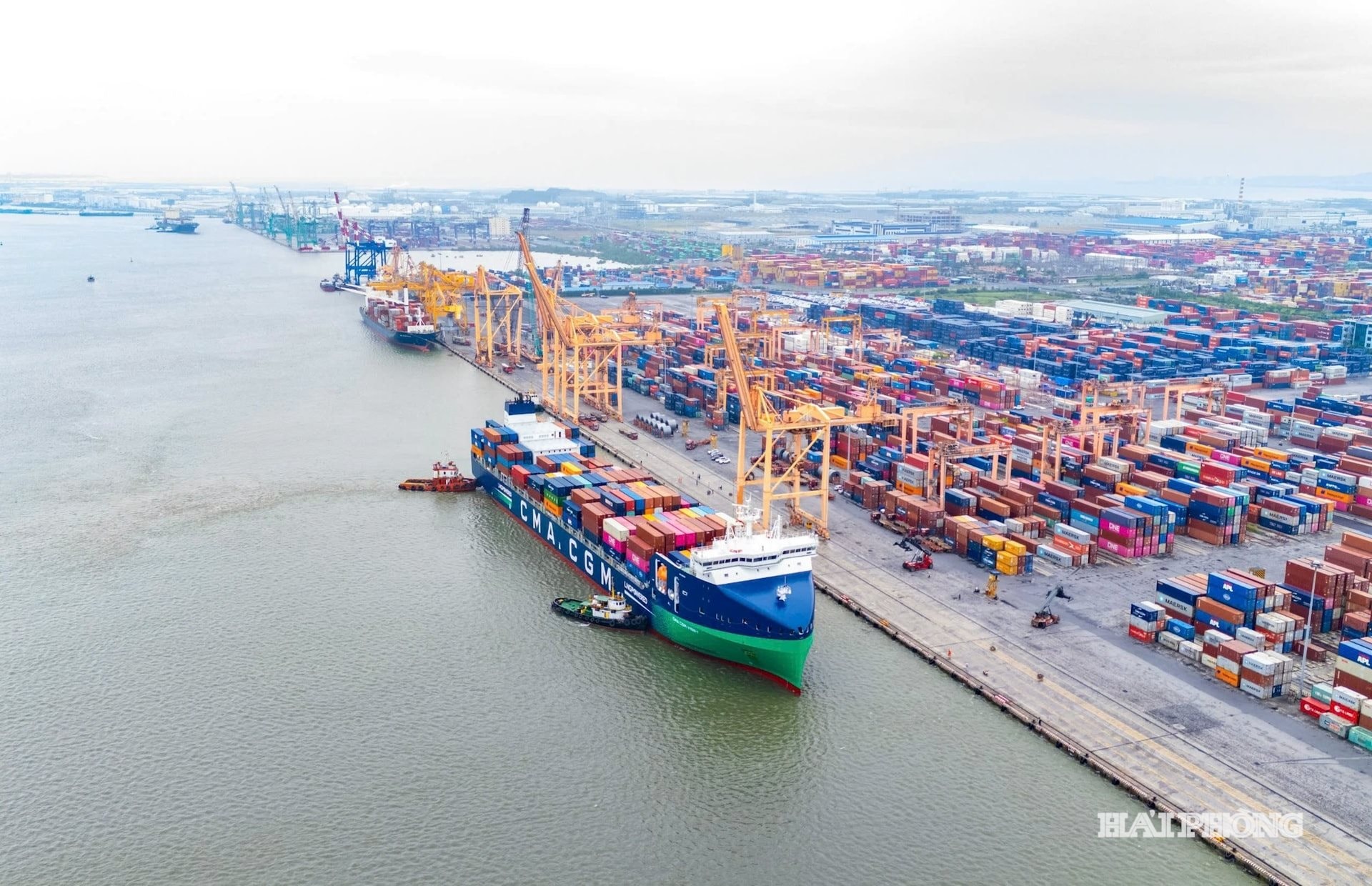
According to a draft circular on announcing the maritime waters under Hai Phong’s jurisdiction and the city Maritime Administration’s management area, the Ministry of Construction allows the city to expand its water boundary seaward, in line with the seaport development plan for the 2021 – 2030 period with a vision to 2050.
The updated plan adds multiple anchorage areas, transshipment zones, mooring buoys, and storm shelters. Several offshore dredged material disposal sites have been approved, while the southern Dinh Vu shoreline has changed significantly due to the further expansion of the industrial park.
Without timely adjustment of the maritime boundary, some pilot transfer and anchorage areas for large vessels would fall outside the current jurisdiction, creating difficulties in licensing, supervision, and maritime incident response.
The proposed boundary, defined along latitude 20°31'00", would cover all dredged disposal areas and new navigation corridors. This is not merely an administrative expansion but also a legal framework for ship coordination, route management, anchorage licensing, and marine environmental control in the expanded port area.
A boost for logistics
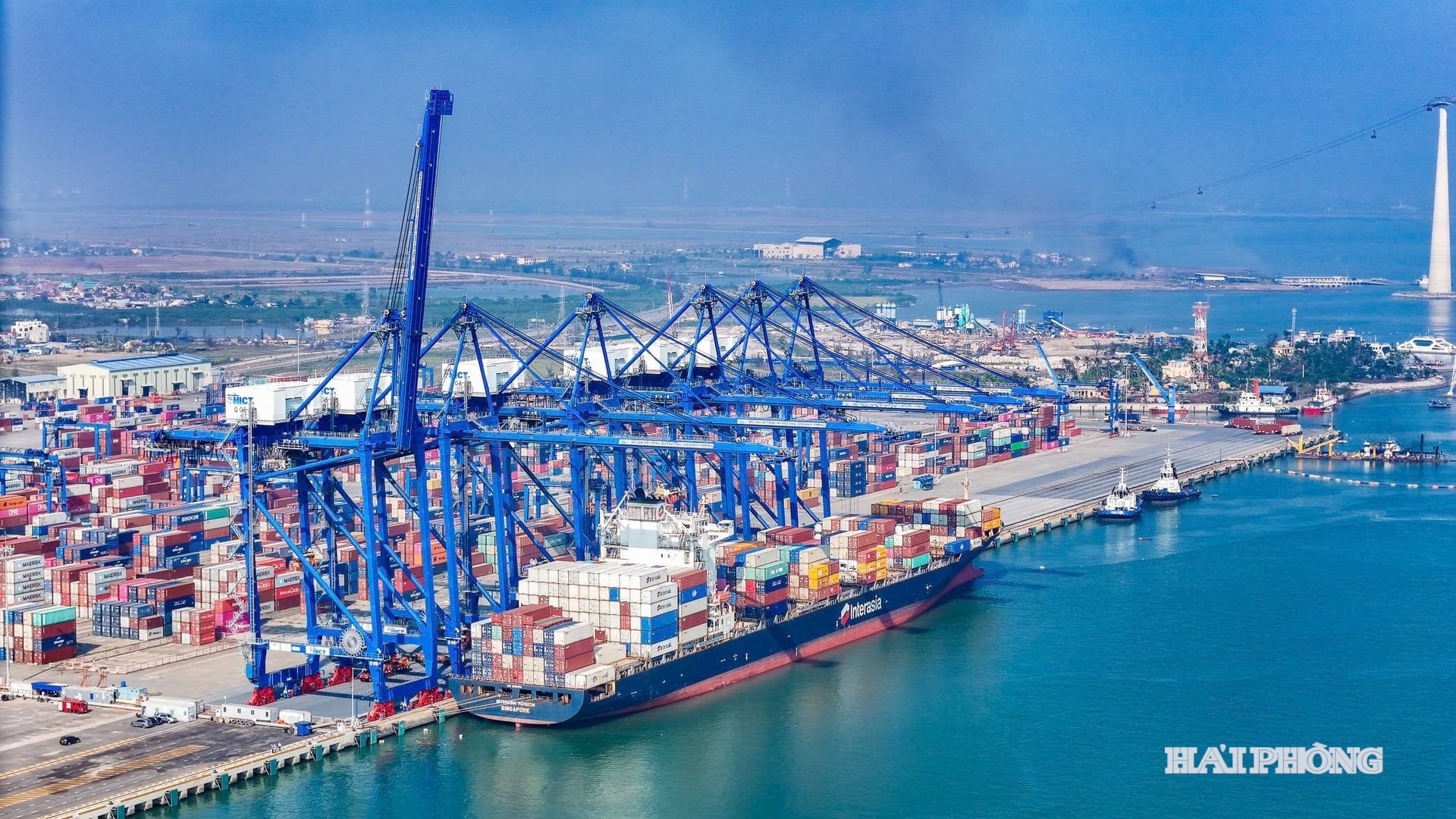
Expanding the maritime boundary is not only a matter of State management but also a catalyst for logistics and supply chain growth. With a larger port area, businesses will have clearer legal grounds to invest in floating warehouses, mooring buoys, container transshipment, depots, and riverside logistics services, key infrastructure supporting cargo transshipment and import-export operations.
“The expanded maritime space will remove many barriers for logistics enterprises by shortening licensing time, facilitating anchorage and transshipment, and encouraging investment in larger vessels and modern handling equipment. This is a crucial condition for Hai Phong to achieve its goal of becoming a national logistics hub before 2030,” said Tran Tien Dung, Chairman of the city Logistics Association.
In fact, ports within Hai Phong’s seaport system are being upgraded to increase capacity, with dredged channels extended to accommodate larger ships. Alongside the decision to establish a 6,200-ha free trade zone connected to Dinh Vu–Cat Hai Economic Zone, the boundary expansion will create an integrated port–industrial–logistics ecosystem with regional competitiveness.
Expanding Hai Phong’s maritime boundary is a strategic and necessary move for the city to fully promote its potential as a gateway port, boost logistics growth, and strengthen national security and defense.
BAO ANH