

Hai Phong tourism’s charm in autumn and winter
With its distinctive natural landscapes, rich cultural and historical spaces, and developed infrastructure, Hai Phong is emerging as an all-season destination, particularly enchanting in autumn and winter.

Different experiences
Cat Ba in late autumn takes on a completely different charm. Gone is the lively summer bustle; instead, the island is wrapped in a soft mist, with a cool and peaceful atmosphere. That tranquility is exactly why many visitors choose to return during the off-season to experience a more poetic, serene side of Cat Ba.
Sipping a hot cup of coffee at a seaside homestay in Cat Hai district, Nguyen Manh Dung from Ha Noi, who is on a three-day trip with his family, said: “In summer, it’s crowded and noisy even though the scenery is beautiful. This time, I decided to visit in the off-season. At first, I was worried it might be too quiet, but to my surprise, the weather is mild, the sea is calm, services are thoughtful, and prices are reasonable. It’s a really worthwhile experience, especially for those who want a quiet retreat or time with family.”
Like Dung, more and more travelers have started to explore the sea and islands during the off-season. Once seen as a purely summer destination, Cat Ba, and Hai Phong as a whole, is gradually finding its place on Northern Vietnam’s winter tourism map, opening up opportunities for the city to build a year-round tourism industry.
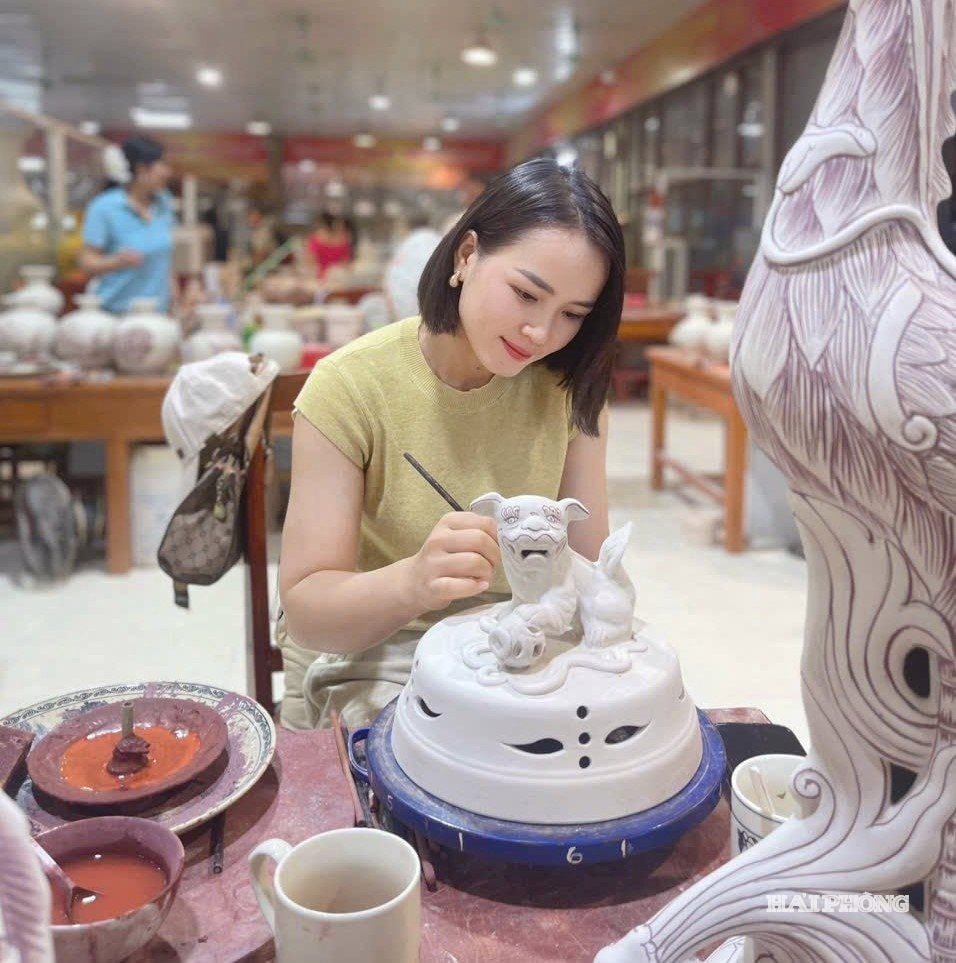
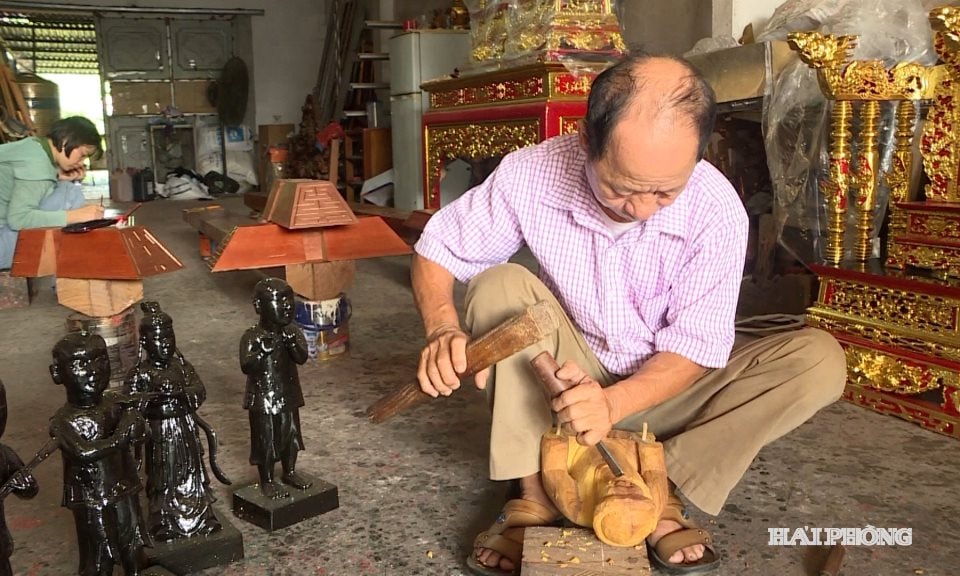
Traditional craft villages such as Bao Ha wood carving, Lat Duong mat weaving, Kha Lam carpentry, Kieu Trung porcelain flower making, Duong Dong pottery, Chu Dau pottery, and Cat Hai fish sauce, along with spiritual sites like Ba De temple, Hang pagoda, Du Hang pagoda, Hang Kenh communal house, and the historical and architectural relics of Con Son – Kiep Bac, also attract large numbers of domestic and international visitors during the year’s final months.
Diversity and potential
According to Tran Thu Ha, director of a Hai Phong-based travel company, tourist preferences are changing. “Visitors today don’t just travel for ‘check-ins’ but seeking authentic experiences linked to local culture, nature, and mental well-being,” said Ha.
Travel firms are now developing winter tourism products such as “Hai Phong: then and now,” combining tours of historical architecture with modern urban spaces along the Tam Bac river, pedestrian streets, the Hai Phong Museum, and vintage-style cafés. Other experiences, such as trekking in Cat Ba National Park, wellness tours in Do Son, craft village homestays, and traditional cooking classes, are also drawing strong interest.
A new trend many tour operators are promoting is winter wellness tourism. In Do Son and Cat Ba, several spas, yoga studios, and quiet homestays provide ideal settings for short breaks catering to mid- and high-end travelers. The weather, cool and crisp, without the harsh cold of northern mountain regions, makes Hai Phong “just cold enough for an experience, but still comfortable for relaxation.”
Another major advantage of winter tourism in Hai Phong is its cuisine. Local specialties such as banh da cua (crab noodle soup), bun ca cay (spicy fish noodles), nem cua be (crab spring rolls), field crab hotpot, chao long (rice porridge with offal), hot cassava sweet soup, ec. are especially appealing in cool weather, a perfect foundation for developing winter food tourism.
Policies and communication as driving forces
Mai Xuan Thang, Chairman of the Hai Phong Tourism Association, said developing winter tourism is an inevitable step if Hai Phong aims to become a four-season destination. “To achieve this, the city needs a long-term strategy, infrastructure investment, higher awareness of businesses, and more effective promotion of its unique winter experiences,” said Thang.

The association has proposed a series of promotional events such as “Hai Phong Winter Tourism Week,” “Do Son Light Festival,” and “Winter Culinary and Cultural Space” in the city center, alongside special discounts on tours and accommodation, particularly during Christmas, New Year, and Lunar New Year holidays.
In addition, regional cooperation with Ha Noi, Quang Ninh, and Ninh Binh to develop northern winter tourism routes is seen as a promising direction. Instead of limiting international visitors to Ha Noi or Sa Pa, Hai Phong could attract them for several days, provided its products are appealing and communication efforts strong enough.
Hai Phong has been, is, and will continue to be more than a summer destination. As travel trends evolve and market demands grow more sophisticated, developing year-round tourism, including winter tourism, has become essential. Expanding winter tourism not only helps extend visitor stays and boost business revenue while easing peak-season pressure, but also contributes to shaping the unique identity of Hai Phong’s tourism brand.
THU HANG