
Strengthening Korean language teaching in Hai Phong
Hai Phong is the first city in Vietnam to teach Korean as a first foreign language in the general education program of the Ministry of Education and Training.
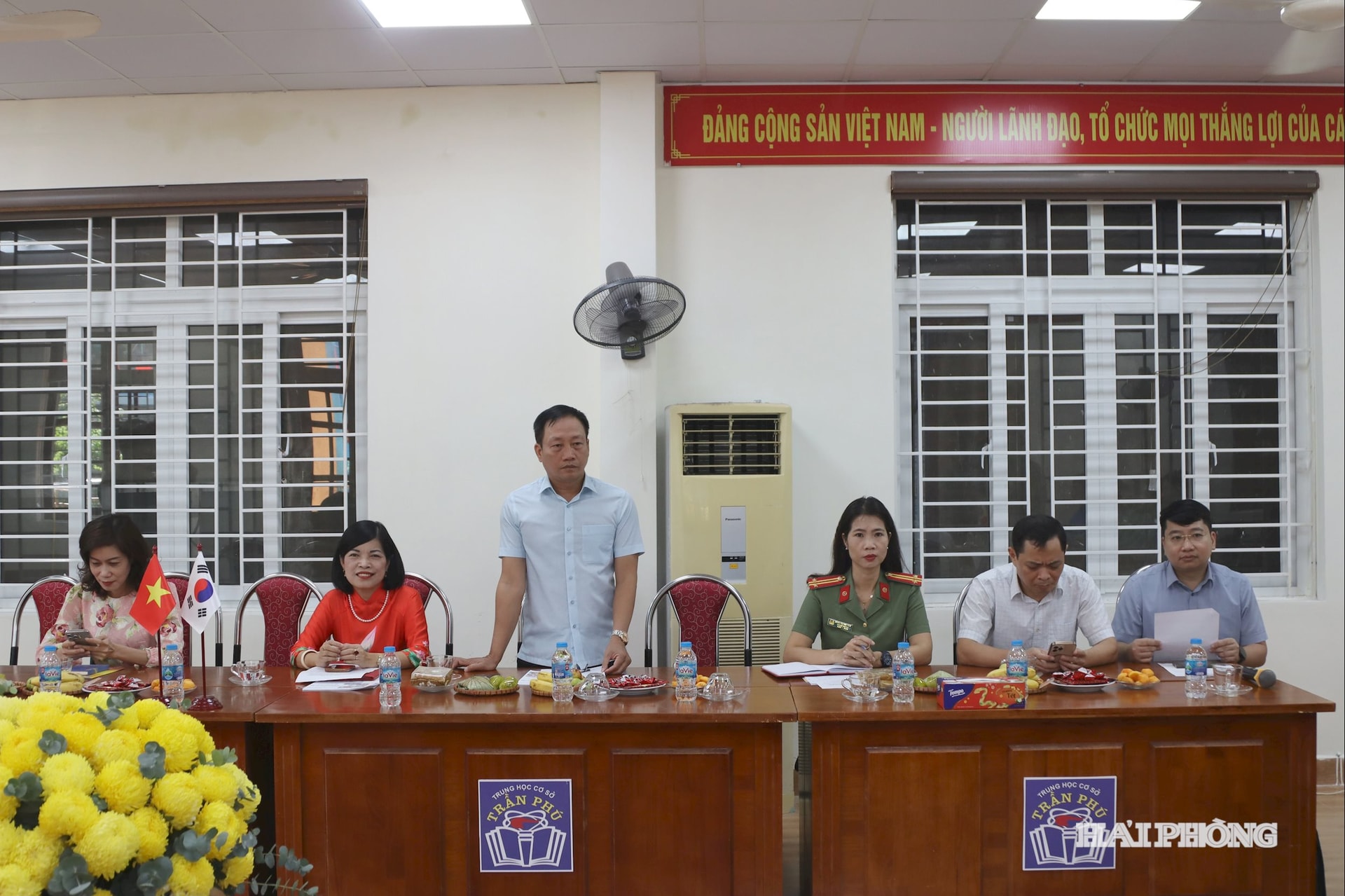
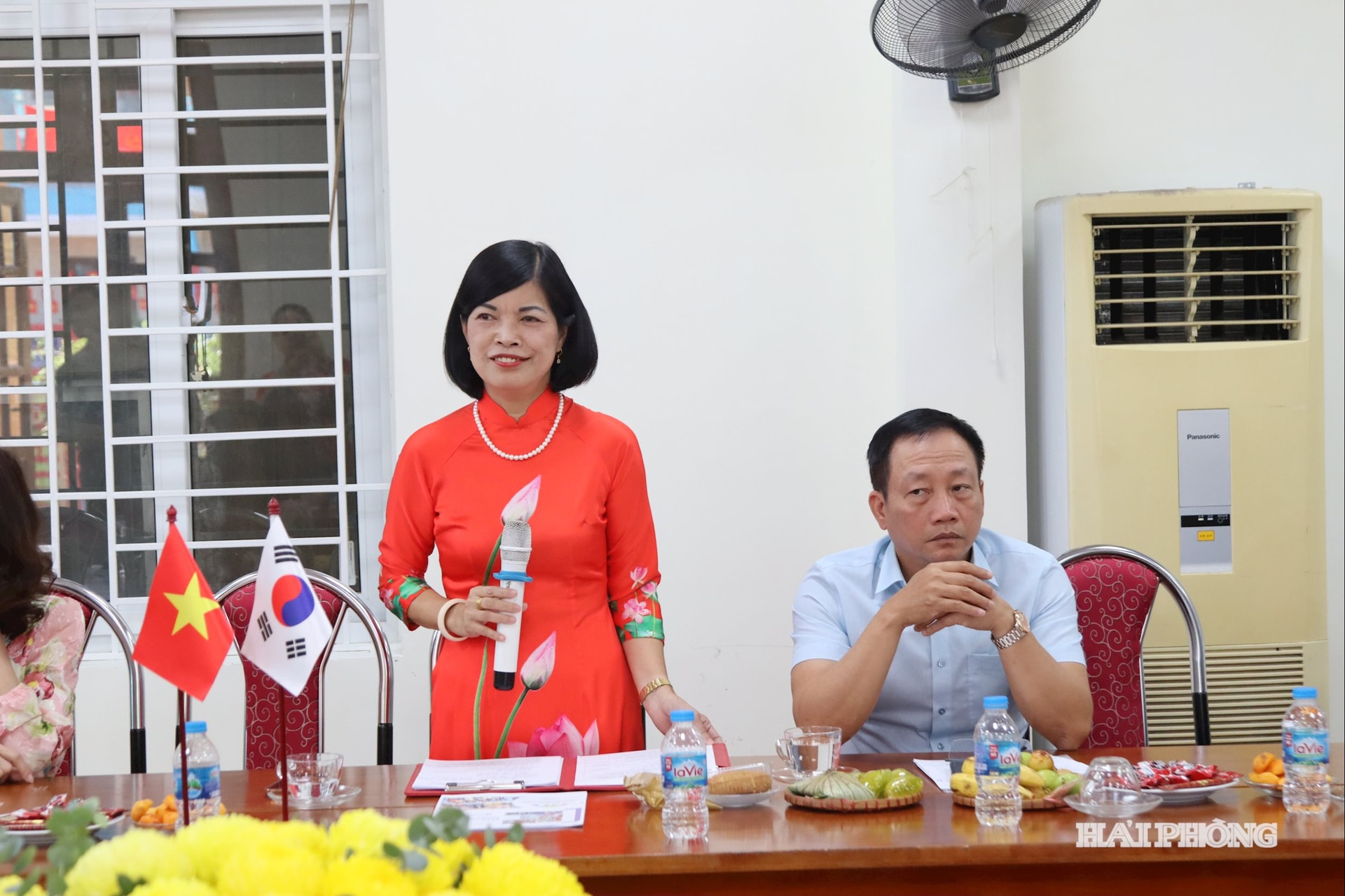
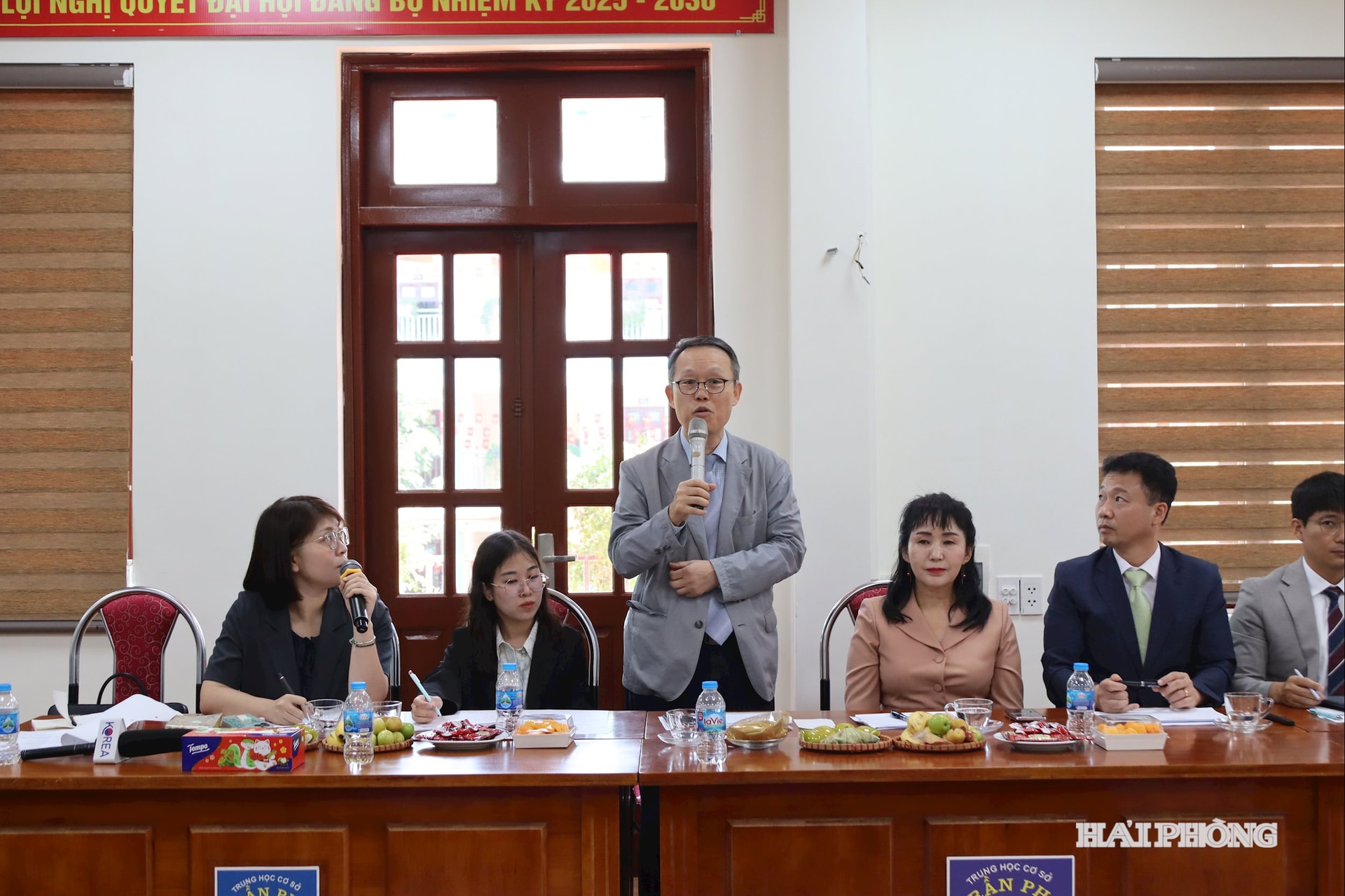
On September 19, the Hai Phong Department of Education and Training held a working session with a delegation from the Office of Education of Gwangyang city, Jeolla Nam province (Republic of Korea), and the Representative Office of the Overseas Korean Education Department in Vietnam to discuss Korean language teaching and promote educational exchanges.
The delegation worked directly at Tran Phu Secondary School in Le Chan ward and the Party Committee Office of Do Son ward.
During the working session, representatives of the Department of Education and Training stated that Hai Phong became the first city nationwide to teach Korean as a first foreign language in the general education program of the Ministry of Education and Training in the 2023–2024 school year.
By the 2024–2025 school year, nearly 40 educational institutions in the city had introduced Korean language teaching, with thousands of students enrolled. They participated in Korean cultural activities through the first and second foreign language programs as well as language clubs, making Hai Phong one of model localities in educational cooperation and cultural exchange between the two countries.
At Tran Phu Secondary School, from piloting one class with 68 students in the 2023–2024 school year, the school has expanded to three Korean language classes with 191 students. The rate of students meeting the subject’s requirements has remained high, with an increasing number of good and excellent students, reflecting clear progress each year.
The school’s students have also achieved notable results in Korean language competitions and exchange activities. Many won prizes in school-level and city-level Korean speech contests, awards in Korean calligraphy competitions, and various encouraging prizes at Korean culture and language festivals.
In the coming time, many of the city’s educational institutions will continue to expand Korean language teaching in various forms. The city’s education sector, schools, and Do Son ward expressed their hope to continue receiving support from the Gwangyang City Office of Education and the Representative Office of the Overseas Korean Education Office in Vietnam in terms of materials, curricula, and teachers, thereby further promoting the learning movement and improving the quality of Korean language teaching in Hai Phong.
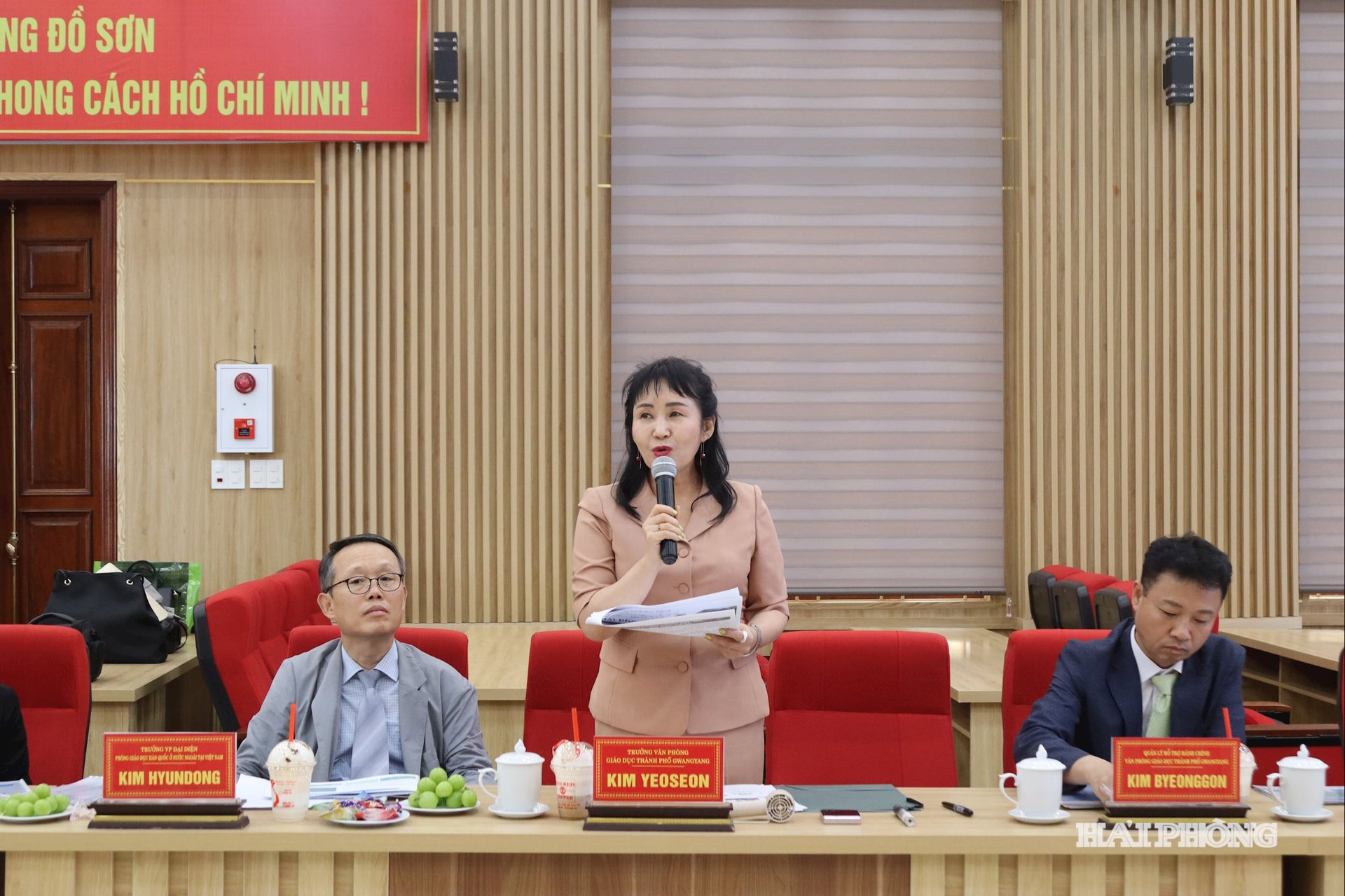
The delegation expressed hope that after the working session, the two sides would establish more cooperation mechanisms in various fields, especially in education and training.
In the immediate future, they could study online Korean language teaching, thoroughly prepare conditions for organizing exchange visits between teachers and students of the two sides to share good practices and effective methods. This would create opportunities for both sides to learn about each other’s culture, country, and people; practice the language; and further strengthen the solidarity and friendship between the two cities in particular and between Vietnam and the Republic of Korea in general.
BUI HANH