
Foreign tourists flock to Mekong cajuput forest during flood season
A boat ride through the Tra Su cajuput forest, covered with green waterferns near the Vietnam-Cambodia border, is a special feast for the senses at this time of the year.
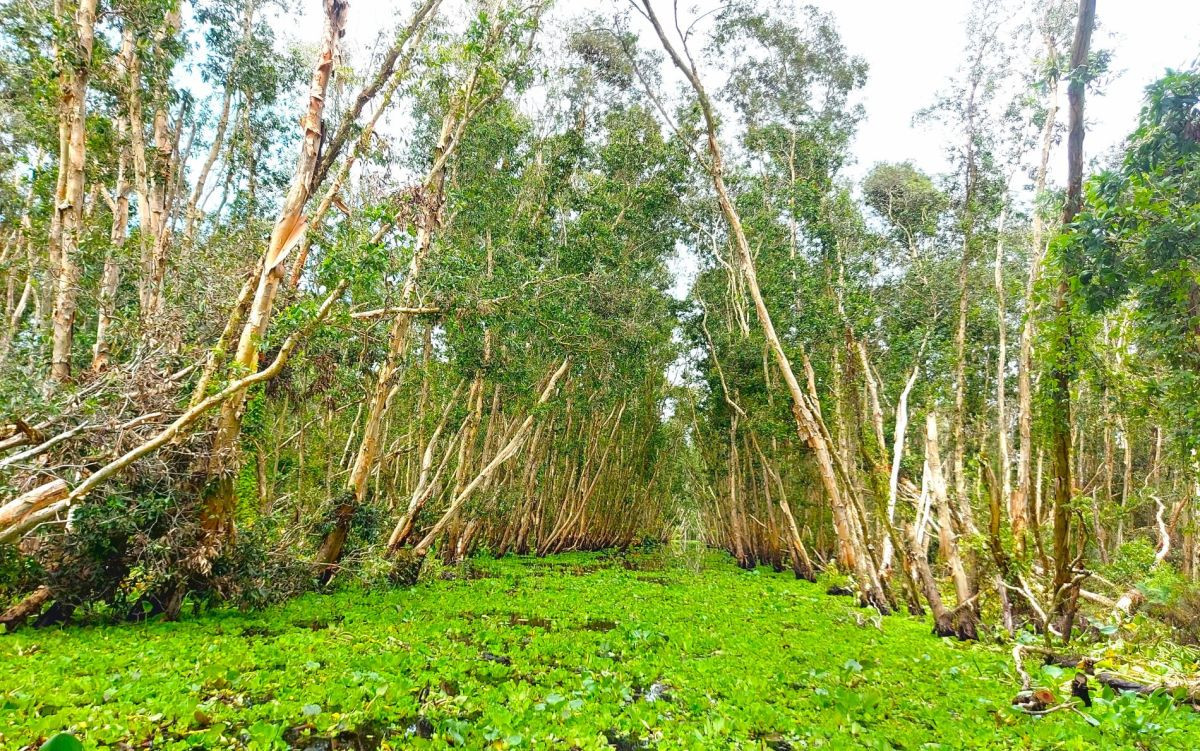
Just 10 kilometers from the Vietnam-Cambodia border, Tra Su Forest in Tinh Bien District is at its best time between September and November, known as the flooding season in the Mekong Delta, a natural phenomenon that occurs each year on the downstream Mekong River.
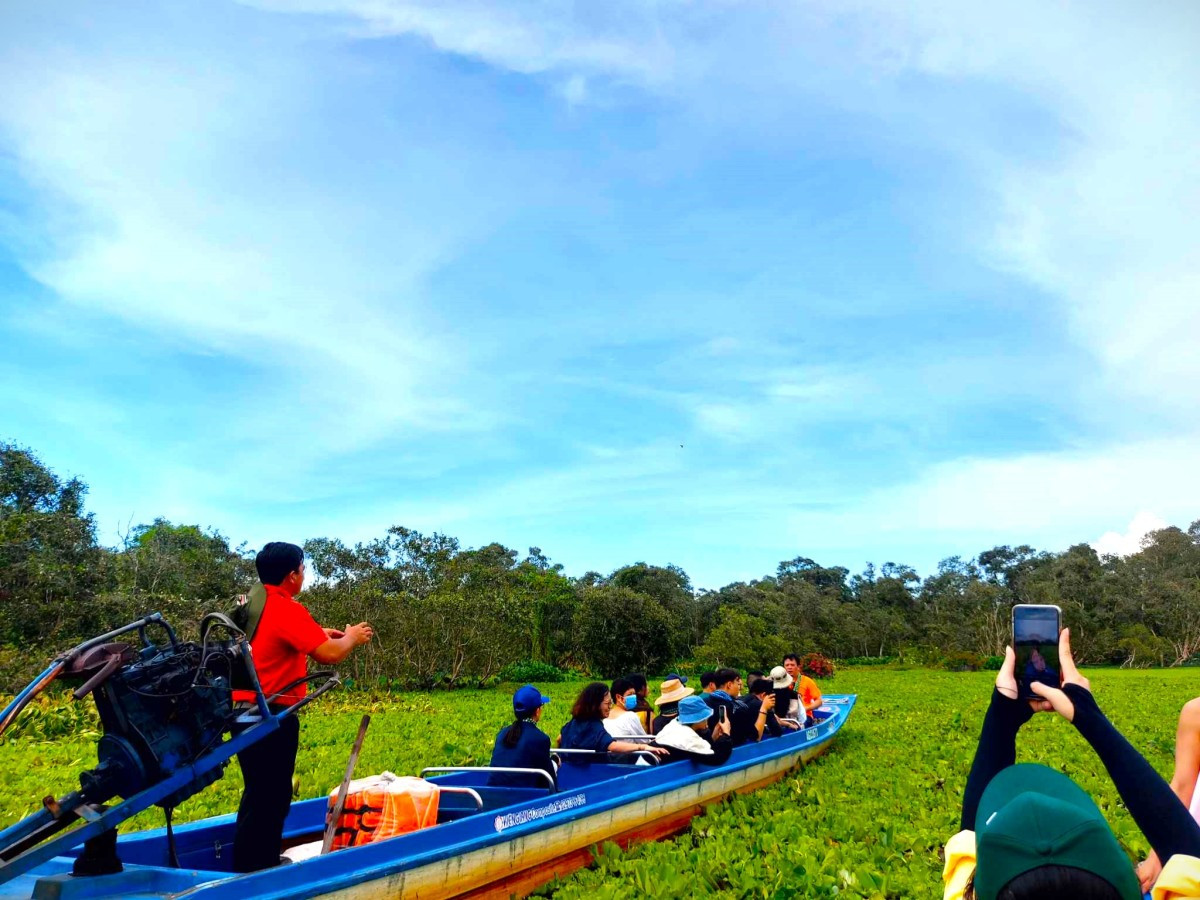
A trip in Tra Su typically starts with a composite motorboat that departs from a pier in the forest and goes through the cajuput forest for visitors to admire the lush greenery including lotus and water lilies.
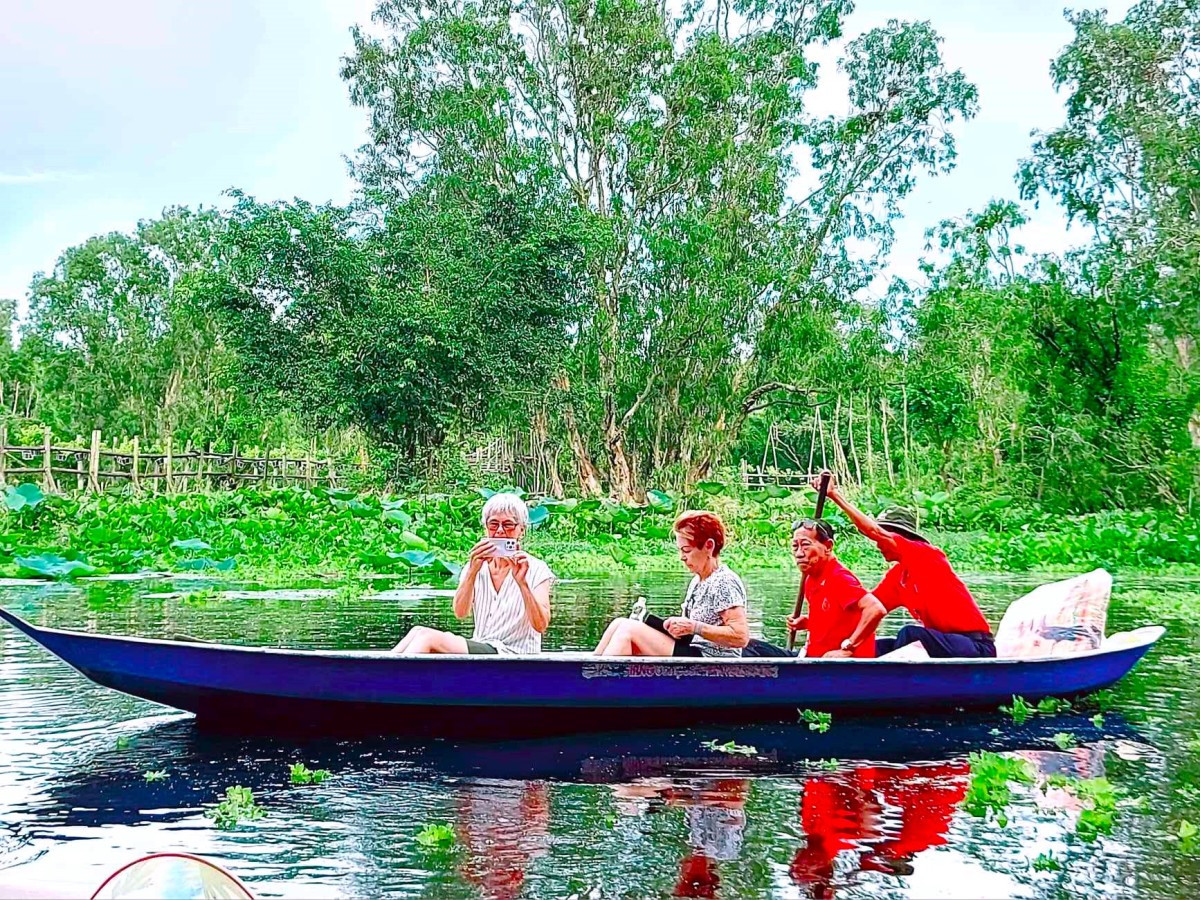
Then visitors are transferred to a small wooden rowboat that makes its way through green duckweed deeper into the forest for around 30 minutes.
Just 10 kilometers from the Vietnam-Cambodia border, Tra Su forest in Tinh Bien district, An Giang province is at its best time between September and November, known as the flooding season in the Mekong Delta, a natural phenomenon that occurs each year on the downstream Mekong River.
A trip in Tra Su typically starts with a composite motorboat that departs from a pier in the forest and goes through the cajuput forest for visitors to admire the lush greenery including lotus and water lilies.
Then visitors are transferred to a small wooden rowboat that makes its way through green duckweed deeper into the forest for around 30 minutes.
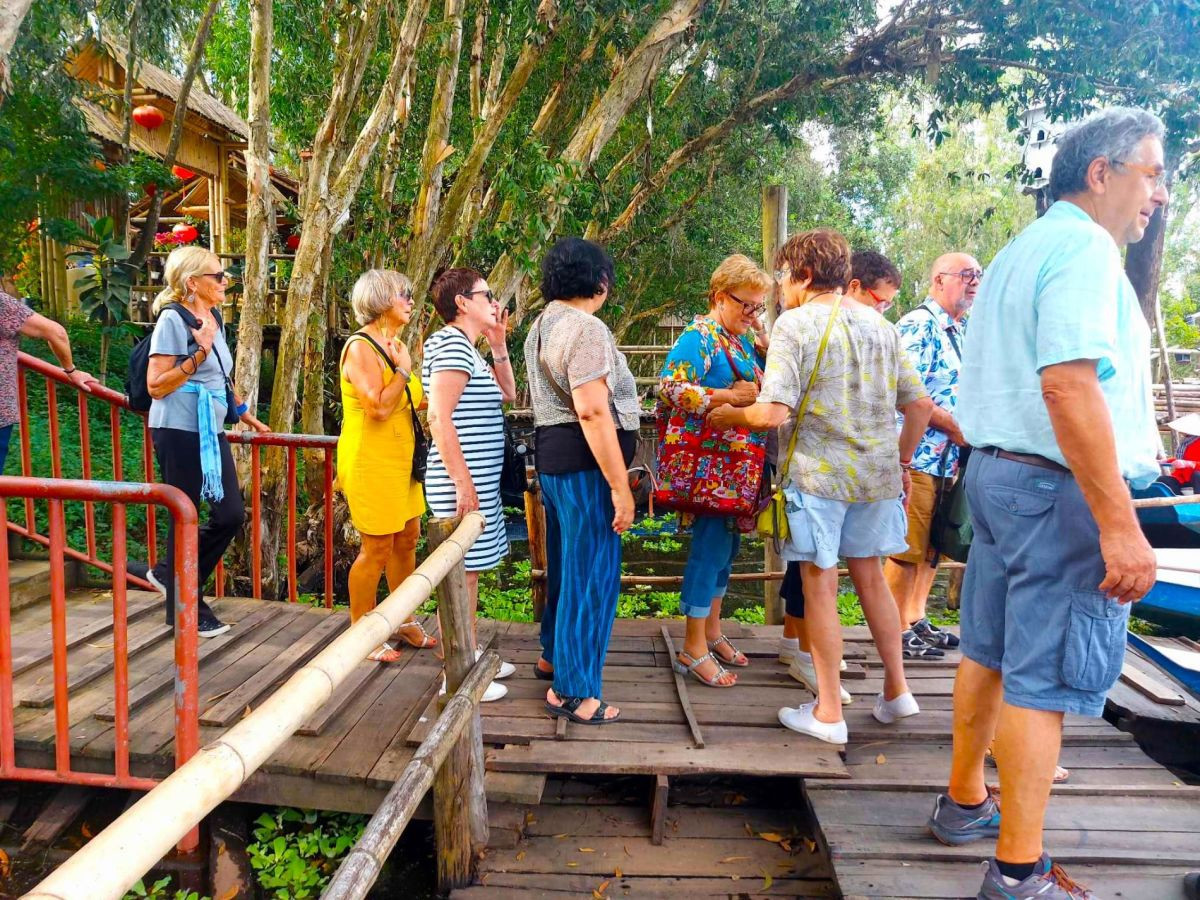
A group of French tourists wait to get on their boats on October 14.
After enjoying a 10-minute motorboat tour, they will be transferred to a small dock to continue their tour on small boats called sampan where female rowers take them throughout the ecological forest filled with lotuses, water lilies and water hyacinths.
A group of French tourists wait to get on their boats
After enjoying a 10-minute motorboat tour, they will be transferred to a small dock to continue their tour on small boats called sampan where female rowers take them throughout the ecological forest filled with lotuses, water lilies and water hyacinths.
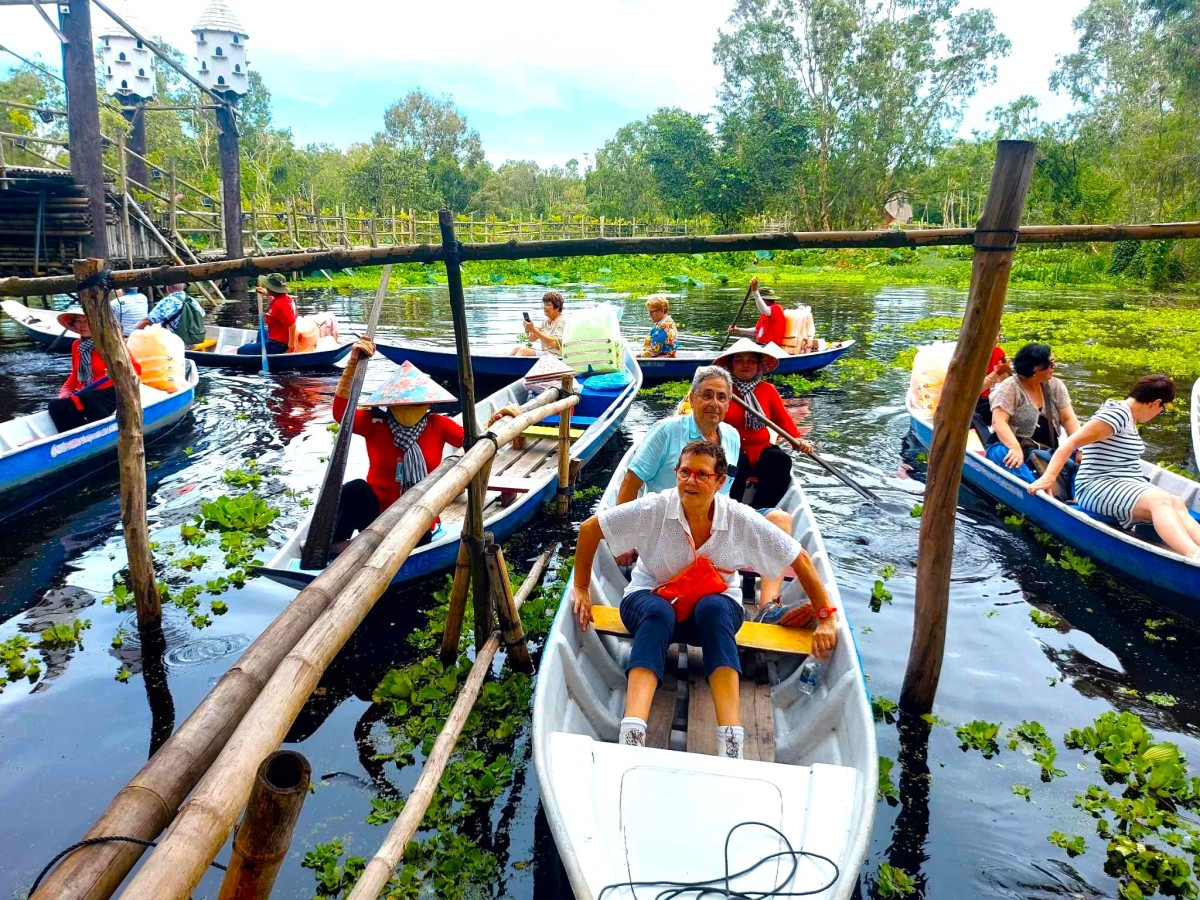 Anna (front), a French tourist, said this was her first time to experience the tour in Tra Su cajuput forest.
 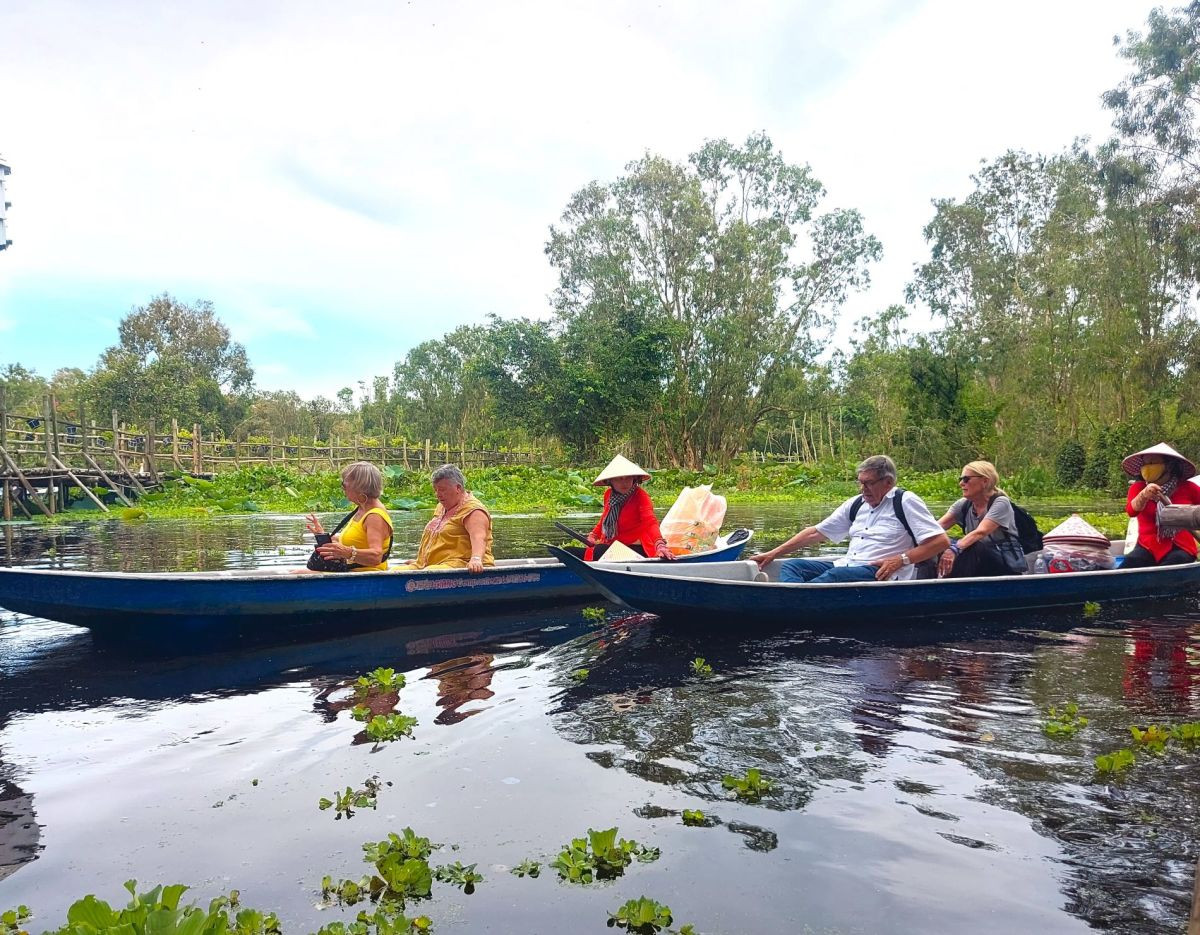 Hung, the tour guide leading the group of French tourists to Tra Su Forest, said most of his guests are retirees and they love to explore the natural landscapes of Southeast Asian countries such as Cambodia and Vietnam.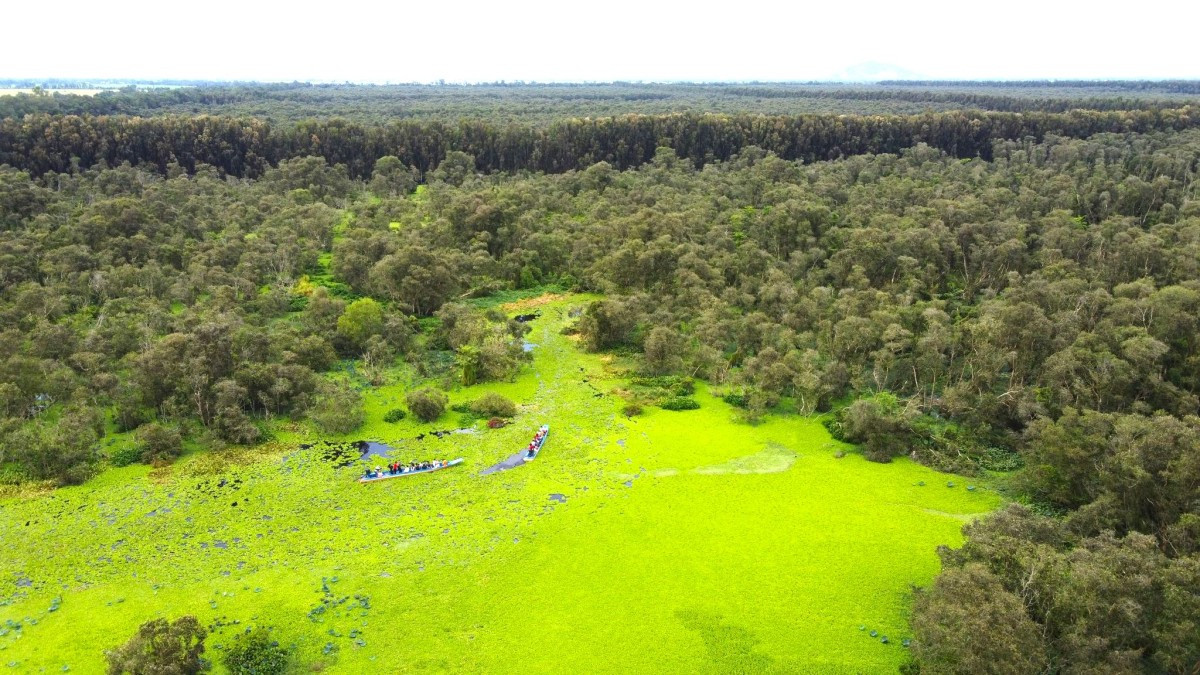
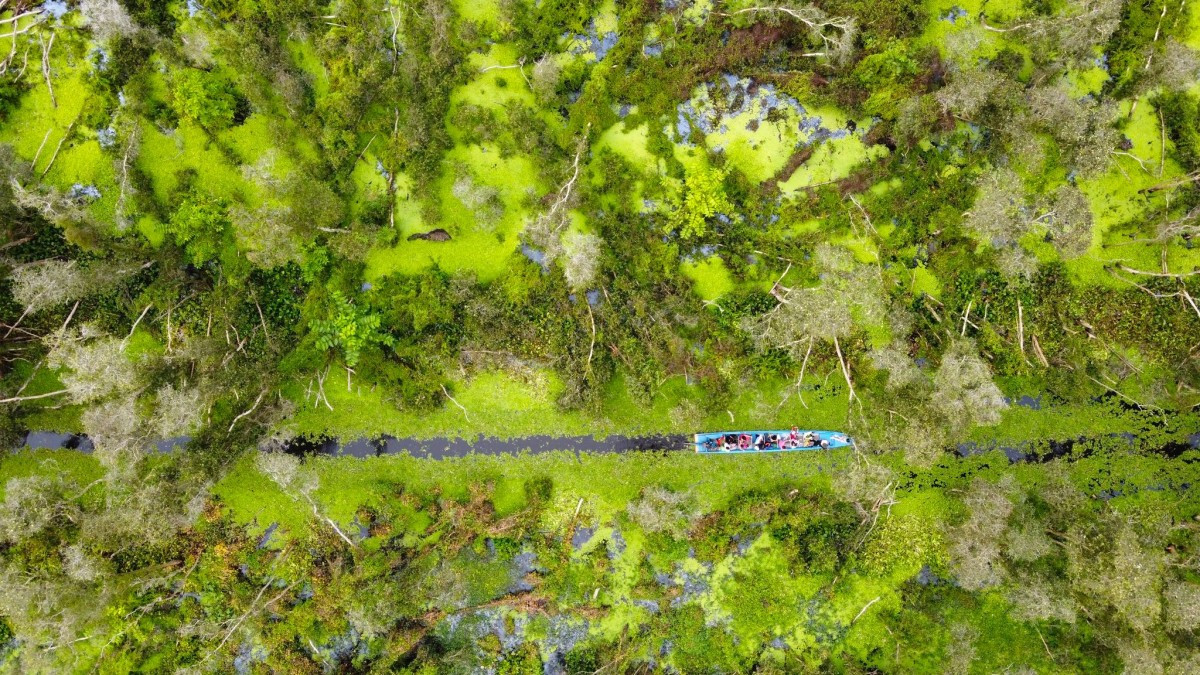
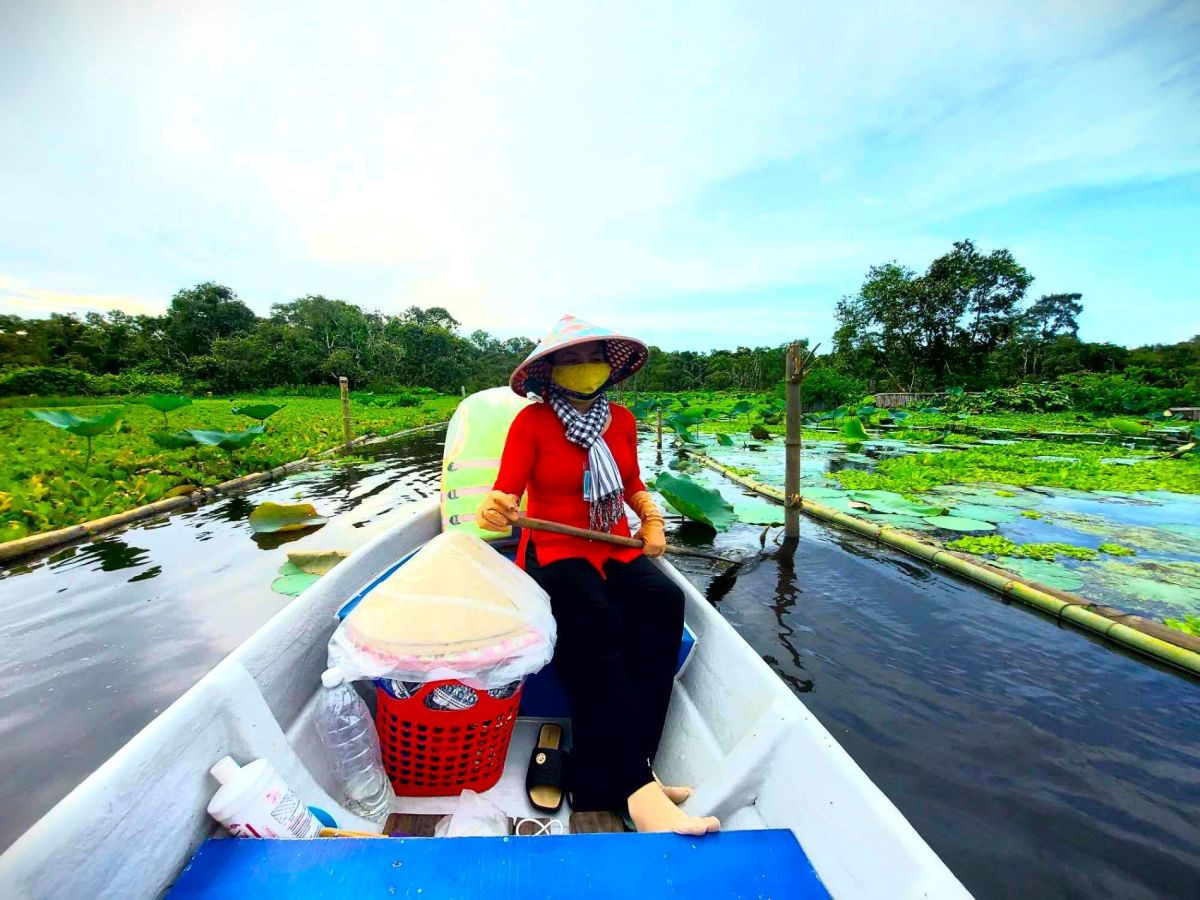 Nhung, a local rower wearing ao ba ba (traditional southern Vietnamese garment) and conical hat non la, said Tra Su forest was only crowded during weekends when she could make up to VND300,000 (US$12.29) a day.